September 11 is a date remembered with sorrow, but it also carries another historical significance that has always resonated with me. On this day in 1893, Swami Vivekananda addressed the World’s Parliament of Religions in Chicago, bringing Hindu philosophy and its message of tolerance and universal acceptance to a Western audience.

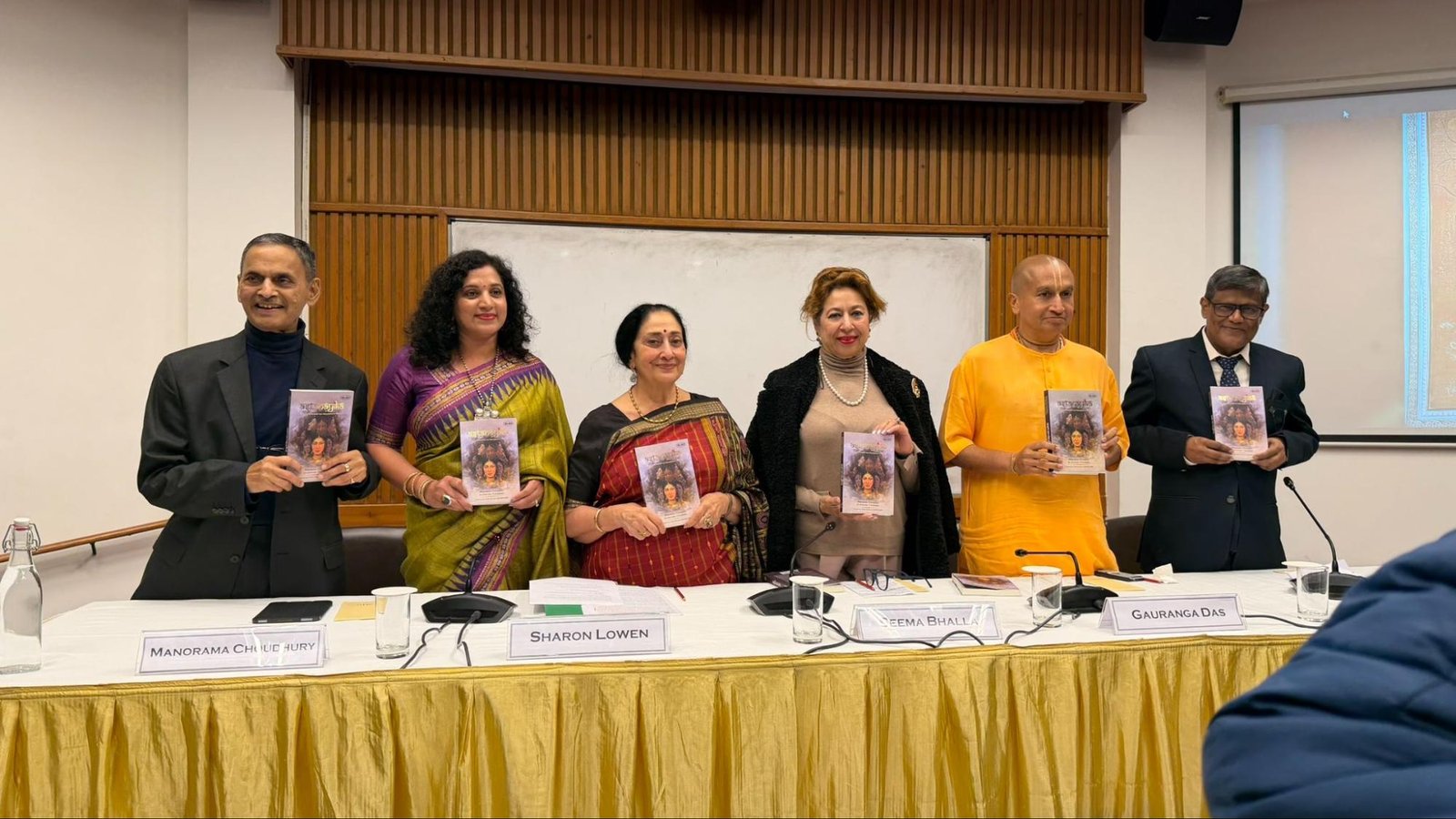
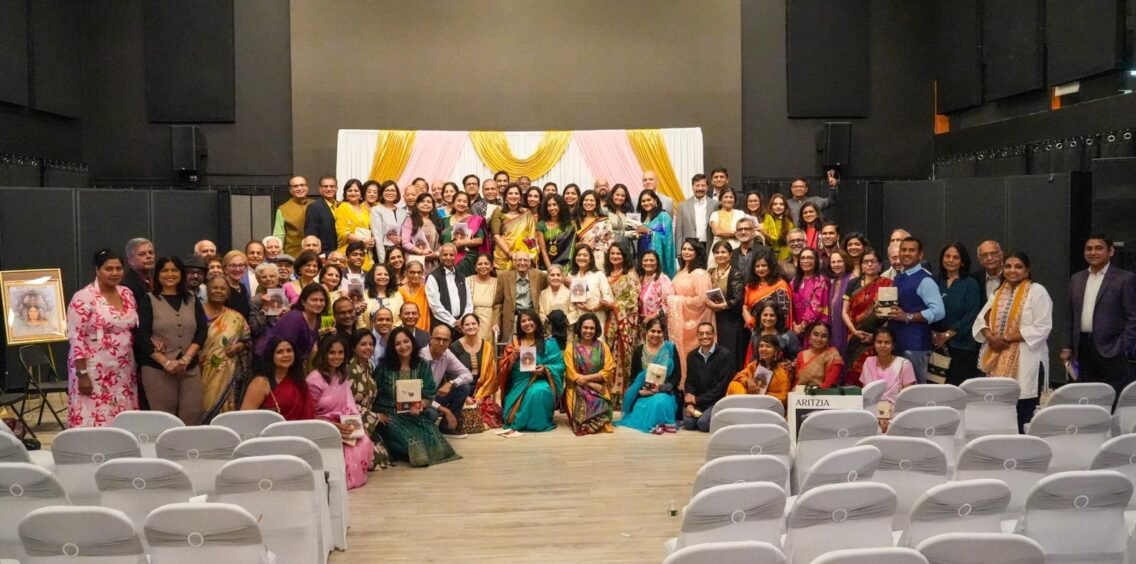
A year ago, on September 11, 2025, that date acquired another, deeply personal meaning for me. Surrounded by family, friends, scholars and art enthusiasts, we launched Aṣṭanāyikā: The Romantic Heroines from Nāṭyaśāstra to Modernity, the book I co-authored with my mentor, Dr. Jayakrushna Choudhury. That evening, I spoke of the date’s significance and of how the book is our own small effort to bring an ancient Indian aesthetic tradition into a contemporary conversation.

One year later, I realized that a book launch is not the culmination of a journey, but the beginning of another.

When Dr. Choudhury and I began working on Aṣṭanāyikā, we were not merely documenting the eight nāyikās of India’s classical aesthetic tradition. We wanted to explore how this ancient framework of love, longing, anticipation, separation, disappointment, and reunion continues to speak to us today.

At the heart of our exploration was Bharata Muni’s Nāṭyaśāstra and its understanding of rasa—the aesthetic experience through which art and emotion converge. Over centuries, the Aṣṭanāyikā travelled beyond the dramatic stage into poetry, painting, sculpture, music and dance. Our question was simple: Why do these women, conceived within an ancient aesthetic framework, still feel so familiar today?

Even before publication, Aṣṭanāyikā was fortunate to receive thoughtful appreciations from distinguished scholars, artists and thinkers, including Dr. Sandhya Purecha, Padma Bhushan Anupam Kher, Dr. Harsha V. Dehejia, Dr. Arjun Purohit, Sharon Lowen, Prof. Nirod Mohanty, Dr. Kamal Kishore Mishra, Guru Swati Panda, Babaji Sanat Sujātānanda Das Maharaj and Prof. Puran Dang. What stayed with me was not simply their appreciation, but the remarkably different perspectives through which they encountered the work.

When Responses Became Conversations

Some responses went beyond personal appreciation and found expression in thoughtful published reflections. Veteran actor, director and author Sri Prashant Nanda, in his article “Aṣṭanāyikā: A Contemplative Re-engagement with Rasa,” published in OdishaPlus, explored the work through rasa and the eternal feminine, describing it as both “emotionally luminous and academically authoritative.” Author and social entrepreneur Mr.Satish Jha, in “A Poetic Odyssey Through Eternal Longings,” approached it through love and longing, seeing the Aṣṭanāyikā “not as relics of the past, but as living flames illuminating the eternal dance of the human heart.” Together, these reflections reinforced something central to our exploration: the Aṣṭanāyikā belongs to an ancient aesthetic tradition, yet the emotions she embodies remain very much alive.

Another observation that stayed deeply with me came from HG Gauranga Das Prabhu ji. Drawing a parallel with Bhakti Rasāmṛta Sindhu and its role in reviving and illuminating the tradition of bhakti rasa, he saw Aṣṭanāyikā as an effort to bring renewed attention to concepts introduced through the Nāṭyaśāstra. For me, this was a profound way of looking at the book, not simply as a study of eight heroines, but as part of a continuing conversation around India’s rich rasa tradition.

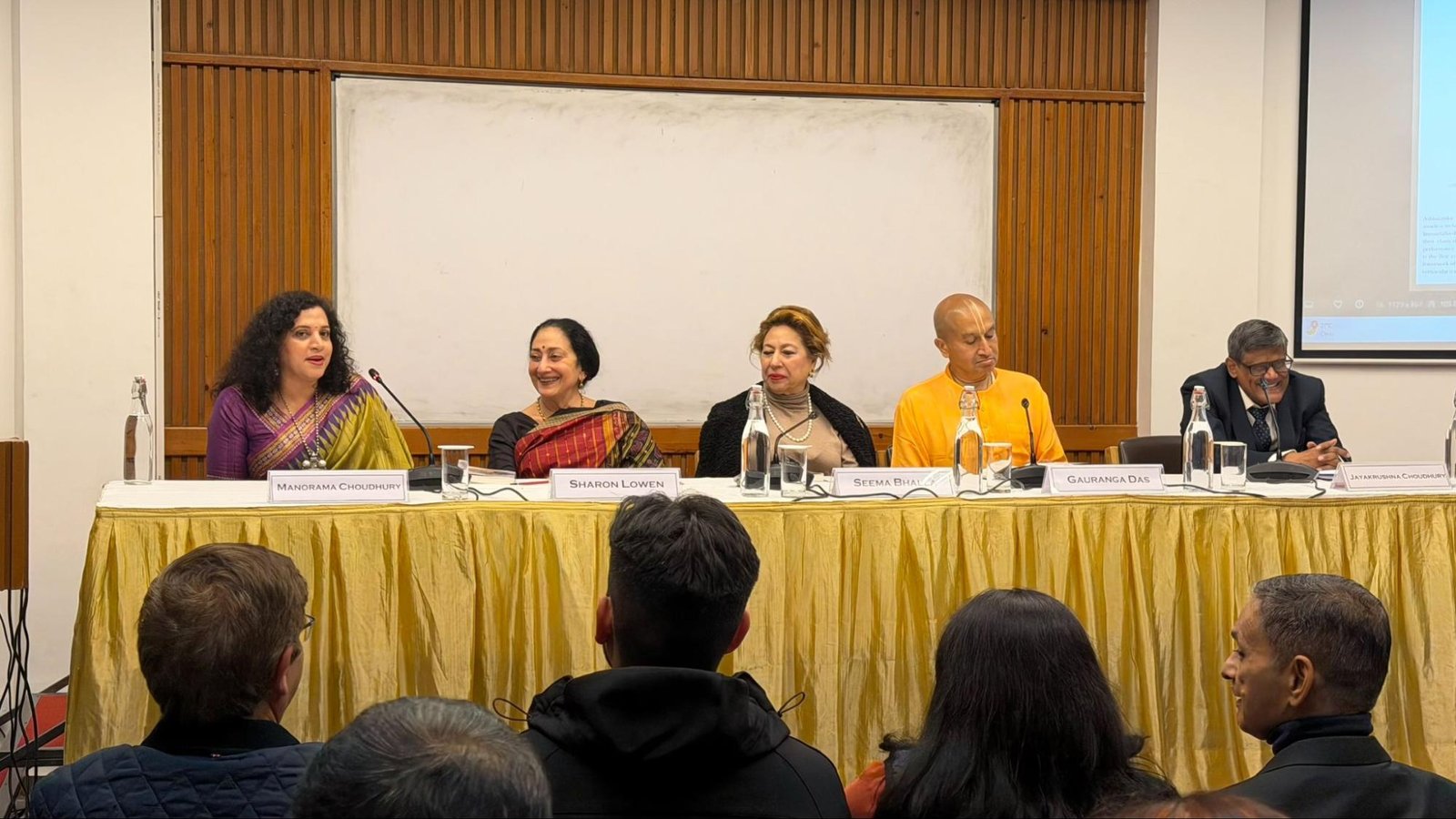
Book talk along with co-author and dignitaries at the prestigious India International Center, https://www.youtube.com/watch?v=bEf0QXEkpb0&t=1167s

At our book launch, Mr. Lalit Sudan, a voracious reader, reflected on how the book revealed another dimension of ancient India’s excellence in arts and culture, particularly Bharata Muni’s enduring influence across centuries of Indian artistic expression. He later described Aṣṭanāyikā in his Amazon review as a “one stop source that puts into context the inter-relationships and excellence of all forms of Indian Art,” tracing their progression from ancient to modern times.

Other readers found their own doorways. Bharatanatyam Guru Ranjani Saigal found the book “profound yet accessible,” and particularly valuable for dance students and teachers; Professor Rama Ramakrishna of MIT called it “a beautiful example of scholarship delivered with vigor and passion”; while philanthropist Desh Deshpande saw it as “a single doorway into the vast, interconnected world of Indian aesthetics,” connecting ancient wisdom with modern insight.

An Amazon reader captured another aspect beautifully, describing Aṣṭanāyikā as “both a scholarly guide and an emotional companion.” I loved that phrase because scholarship and emotion were never separate journeys for us.

Retired Prof. Vasant Machwe recently surprised me with his beautiful review. One thing stood out in his remarks: “No collection of books can truly call itself a library without Aṣṭanāyikā, a treasure that brings together rasa, rāga, nāṭya, alaṅkāra and bhāva with the rich artistic heritage of India.”

Sri Rabindra Das, another voracious reader, expressed a larger hope for the book’s continuing journey, “Let Aṣṭanāyikā travel far and wide, carrying the message of love and its eight blissful manifestations in a world torn apart by war, death and destruction.”

It would be difficult to quote every piece of feedback I have received over the past year, but each has made me reflect on a different dimension of literary creation. Literature is not always born solely from imagination. Sometimes it asks us to research, revisit and reinterpret what has come before us, so that another generation may encounter it afresh.

During my last trip to India, my husband introduced me to someone he was meeting in a hotel lobby, mentioning that my book, Aṣṭanāyikā, had been released just a month earlier. Another gentleman sitting nearby immediately recognized the title from a Sangam Talk show he had watched and asked if I was the same person. I had not even known that coverage of the book’s Delhi event had reached a news channel!

It was a small encounter, but a memorable one–a reminder that once a book leaves the hands of its authors, we do not always know where it travels, whom it reaches, or what conversations it quietly begins.
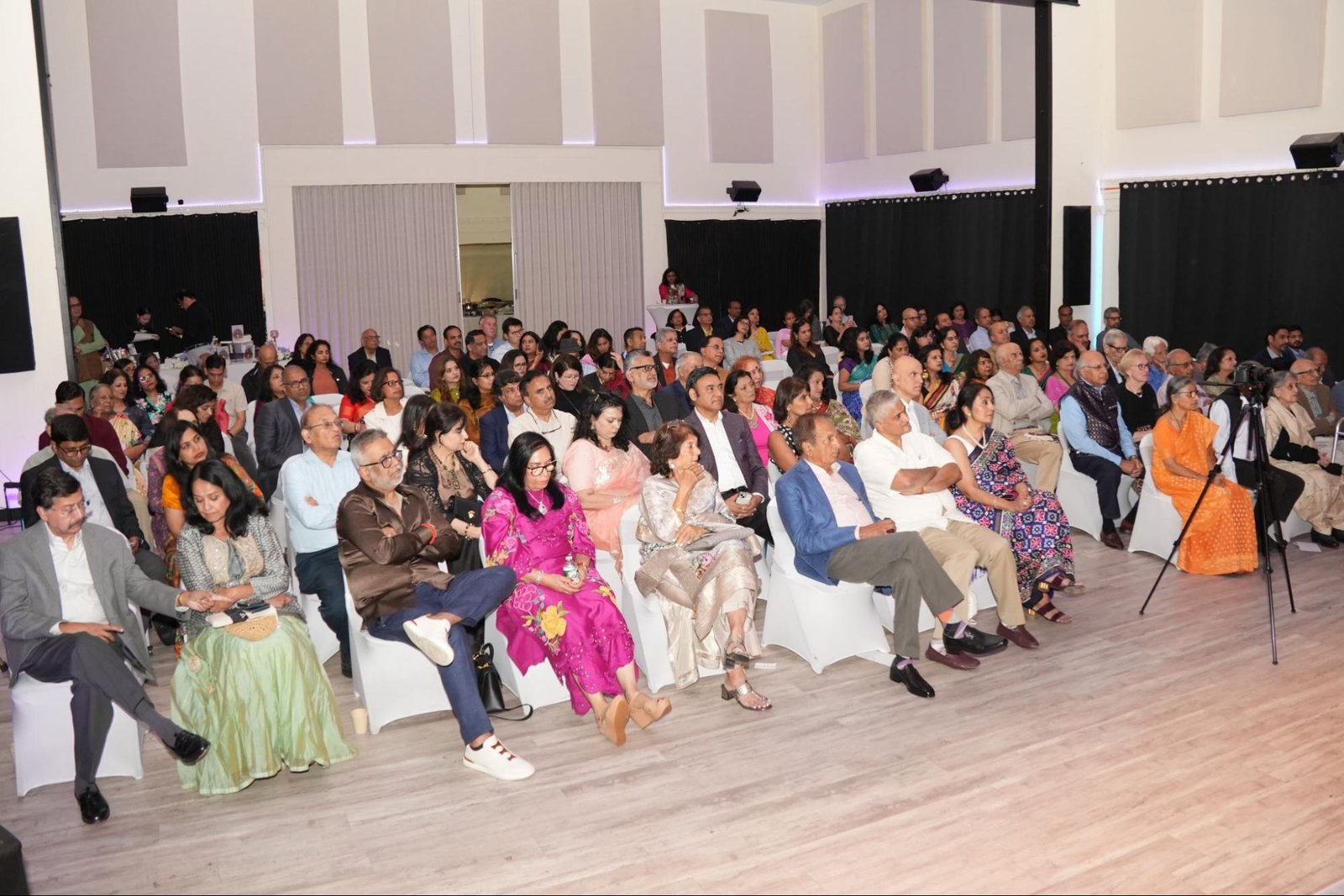
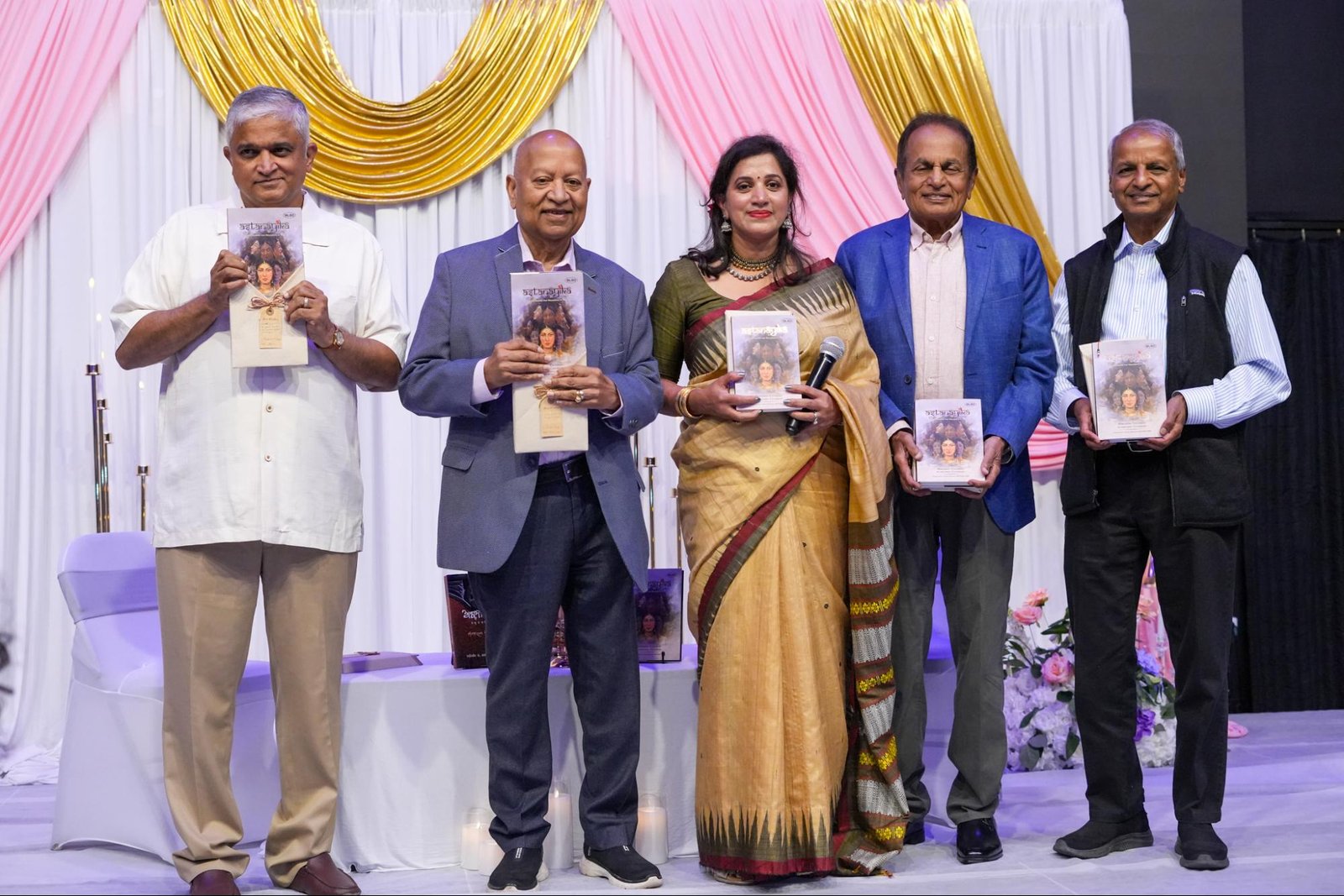
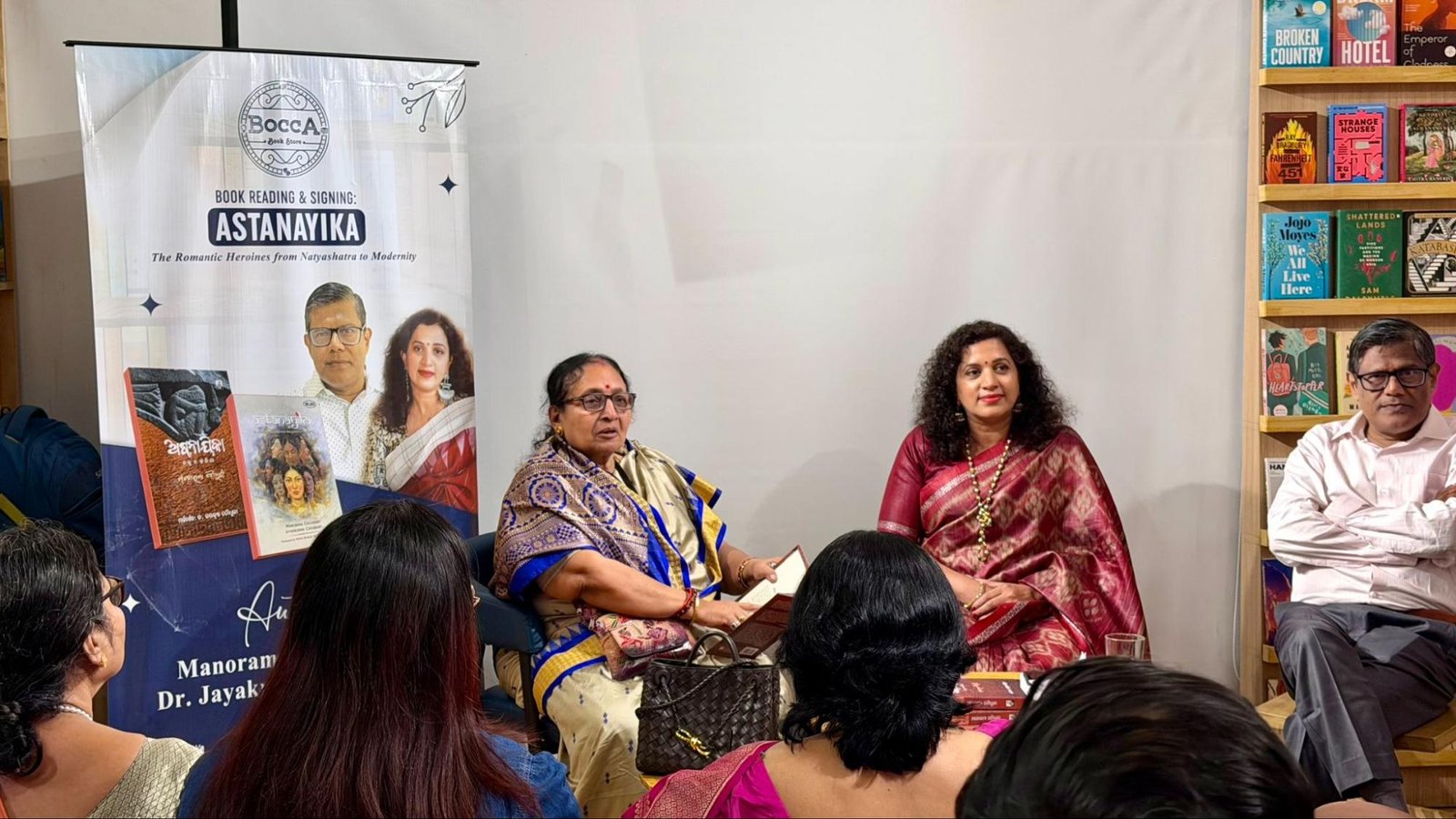
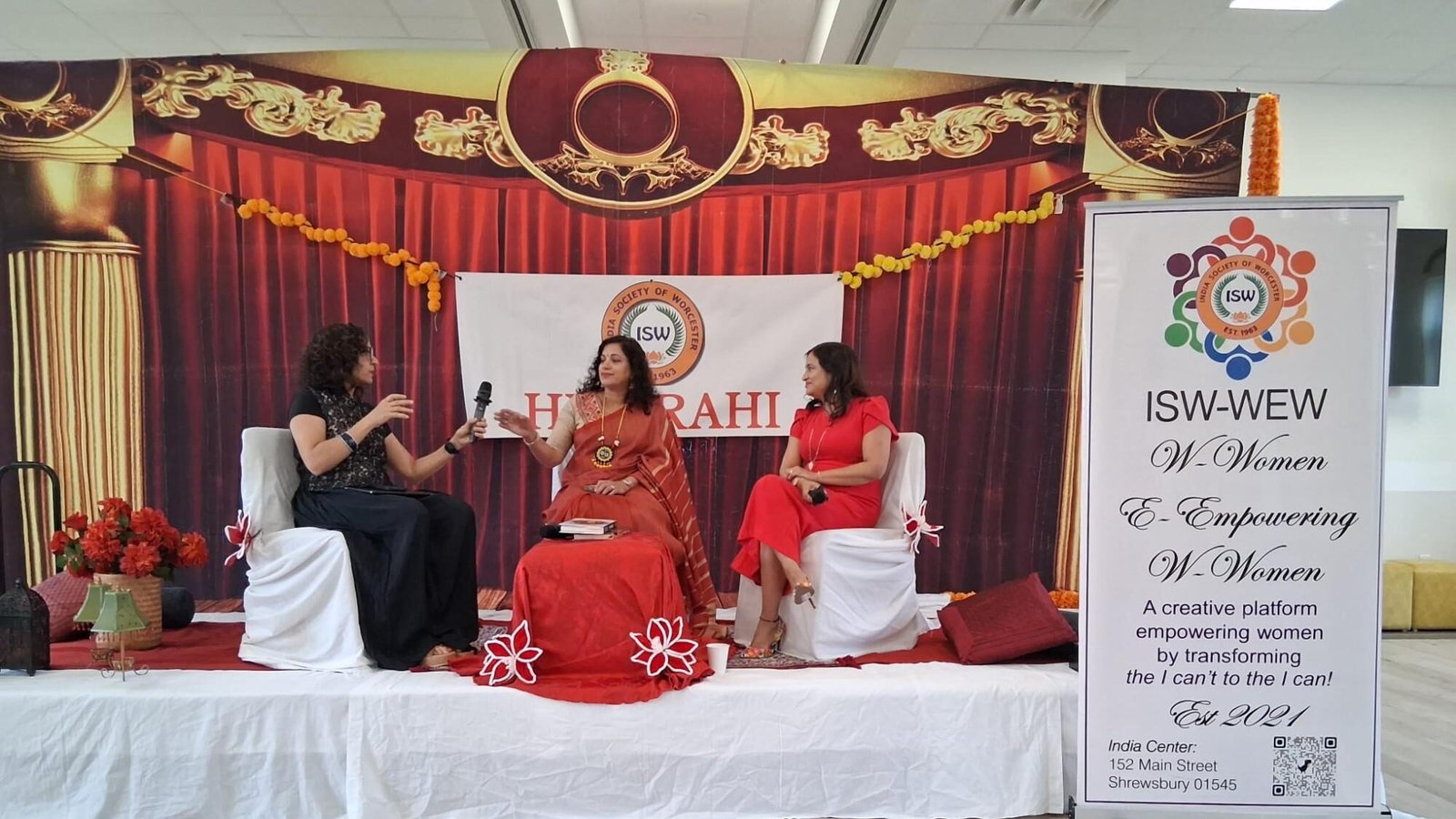
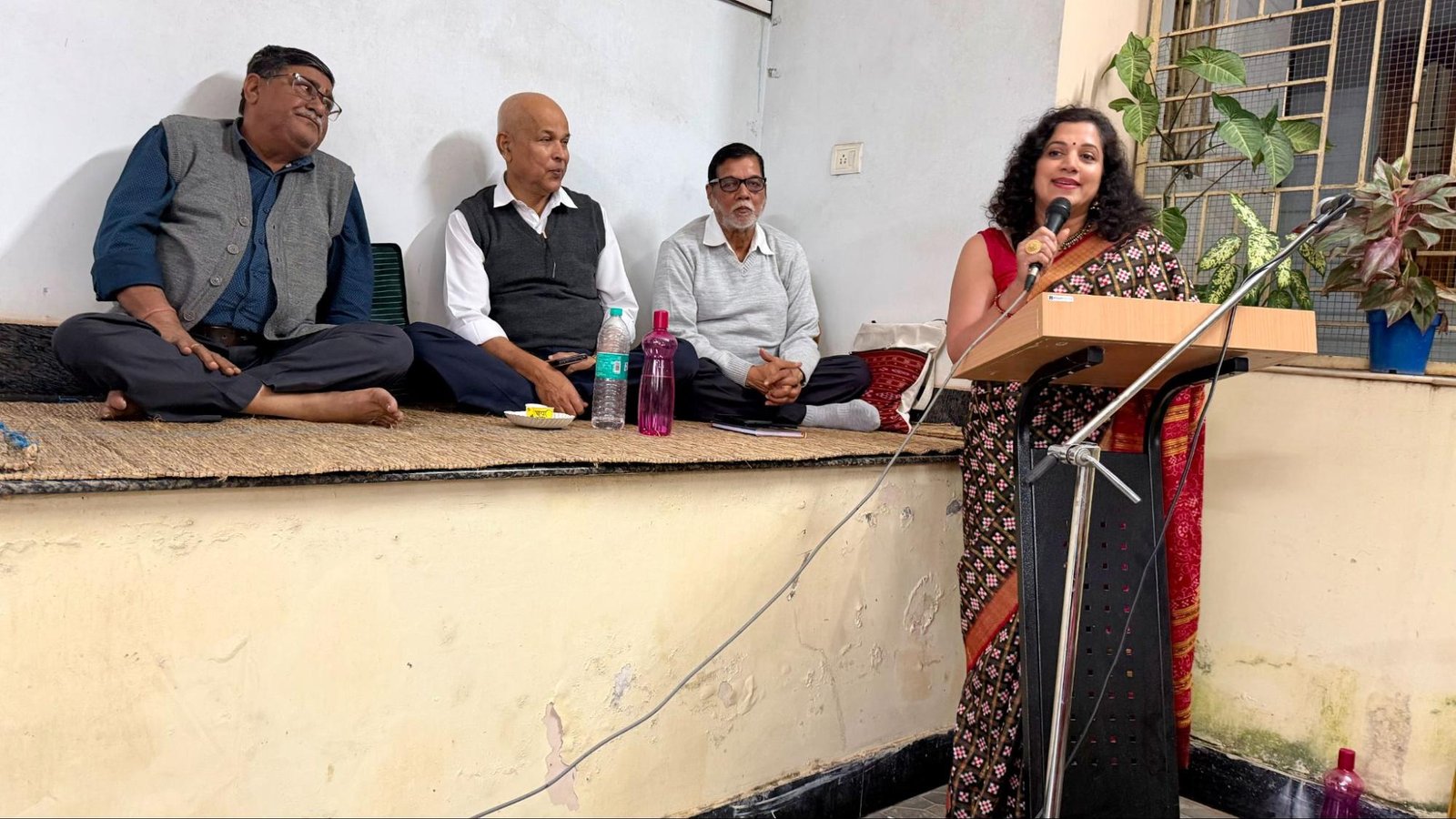
Book discussion along with my co-author in Bhubaneswar, Odisha, India (left). Book discussion at ISW, Shrewsbury, MA (right)

When the Book Began to Travel

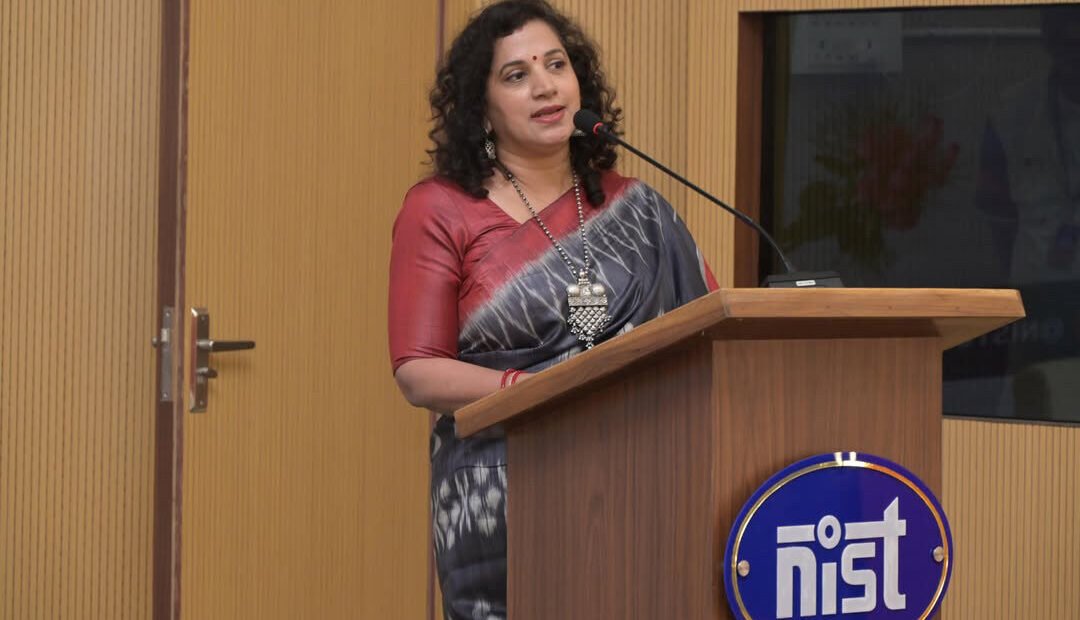
Since its launch, Aṣṭanāyikā has been discussed at the India International Centre in New Delhi, at a book café in Bhubaneswar, briefly at NIST University and Utkal University of Culture in Odisha, and at the India Society of Worcester in Shrewsbury, Massachusetts. Each gathering brought different audiences, questions and interpretations.

These exchanges allowed me not only to speak about the book, but also to listen to what others discovered in it. It was gratifying to hear someone say, “I never knew the Nāṭyaśāstra was considered the Fifth Veda,” another reflect, “I now understand what divine love means,” or someone else recognize that what unfolds on a stage is, after all, a reflection of our own lives.

Over the past year, it has been especially gratifying to see Aṣṭanāyikā inspire creative responses beyond literature–from Odissi and kathak dancers to Pothi and Pattachitra artists, and even a filmmaker.

Perhaps the most rewarding part of this first year has been discovering the book again through the eyes of its readers.

NIST University, Berhampur, Odisha (left), Bandhughara Sahitya Pinda, Bhubaneswar, Odisha (right)

One Year Later

A book may begin with its authors, but once published, it no longer belongs to them alone. Every reader brings a different lens; a dancer sees movement, a psychologist sees emotion, a scholar sees continuity, and a poet encounters longing. In doing so, readers sometimes reveal something the authors themselves may not have seen.

Love, longing, anticipation, hurt, separation and reunion remain profoundly human. Behind the eight classifications are not merely eight women waiting for, meeting, quarrelling with or separating from their beloved, but reflections of these timeless emotions. The vocabulary may belong to another age, but the feelings do not. Perhaps that is why an aesthetic framework articulated centuries ago can still make us pause and recognize something of ourselves.

As Aṣṭanāyikā completes its first year, I find myself reflecting on how far it has travelled and the conversations it has inspired. Perhaps its journey has only just begun.

Buy At Amazon India: CLICK
Buy At Amazon USA:  CLICK

What do you think?

Your email address will not be published. Required fields are marked *

2 Comments
  • J Choudhury
    09/12/2026

    Astanayika is in fact a historic book on that subject. For the first time science and literature met together.

    • Manorama Choudhury
      09/12/2026

      Thank you for being my mentor, co-author and co-pilot for this rewarding literary venture. I do not have enough words in my dictionary to thank. Regards!