A LITTLE OF MY STORY
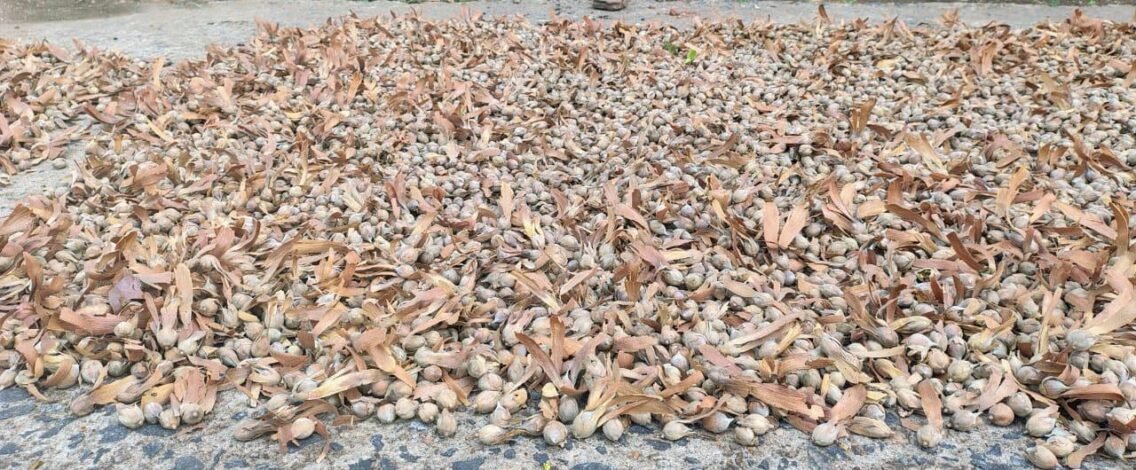
-A Waste-to-Wealth Story from Odisha’s Forest Economy
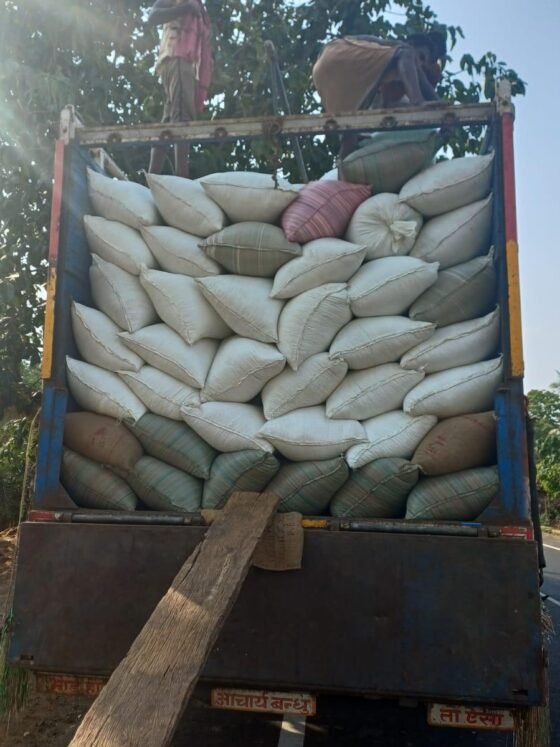
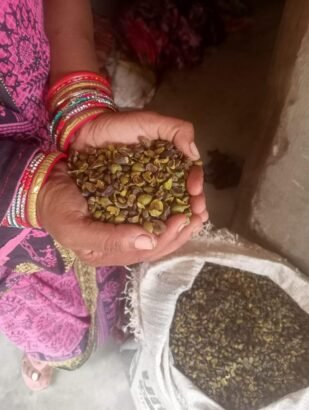 As BhaMa Foundation nears its first year, it is heartening to see how an idea rooted in extending helping hands and building sustainable, resilient micro and small enterprises (MSEs) has evolved into a meaningful “waste to wealth” model, creating real impact on the ground. Sal seed is the first ingredient used in this model.
To briefly revisit our purpose, BhaMa Foundation, in partnership with MSE Bazaar, is working toward increasing rural household incomes from approximately ₹80,000 per annum to ₹1,40,000 per annum through sustainable livelihood interventions and stronger market linkages. Our goal is to help rural communities realize their full potential by transforming possibilities into viable income opportunities.
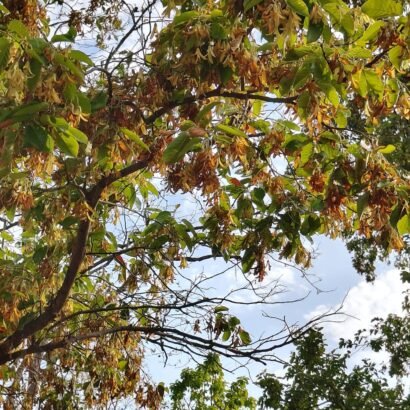 The Forest as an Economic Lifeline:
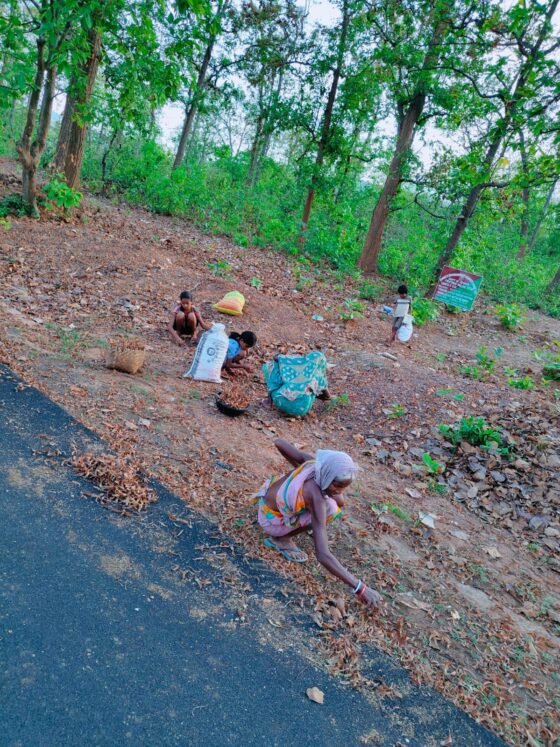
Sal forests are far more than a natural resource; they are an economic lifeline for millions of forest dwellers and indigenous communities across eastern and central India. Sal seeds are collected for oil used in industrial applications such as bakery products and cosmetics, leaves are transformed into eco-friendly plates and bowls, and resin has long been valued in traditional medicine.
Odisha, home to one of India’s largest sal belts, has sal forests covering nearly 45% of its forest area, making them vital to both ecology and rural livelihoods.
Among forest-based livelihoods, sal seed collection is especially important during the lean agricultural months of May to July. Odisha contributes nearly 25% of India’s total sal seed production, making it a key part of the state’s minor forest produce economy.
When Small Enterprises Work Together
Over the past year, thanks to our CEO, Mr. Prashant Kumar Sahu, and a small but deeply committed field team, we have scaled meaningful grassroots impact across geographies.
We have:
- Connected almost 7000 villages across 16 districts
- Engaged 368 aggregators, including SHGs, farmer collectives, and local entrepreneurs
- Conducted 283 community-level meetings
- Onboarded over 250 trade partners
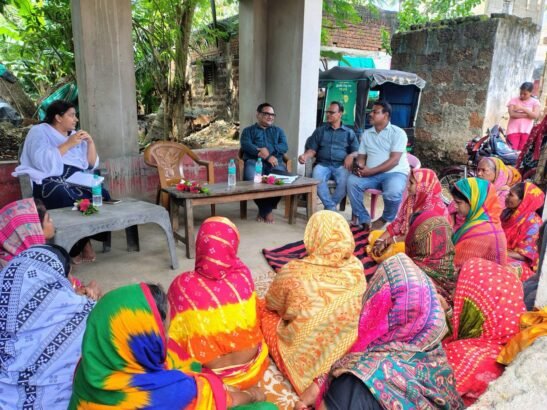 Most importantly, more than 35,000 MSEs have participated in the journey so far, translating into an estimated reach of nearly one million households.
These numbers are not just milestones; they reflect a growing ecosystem of trust, collaboration, and shared progress at the grassroots level.
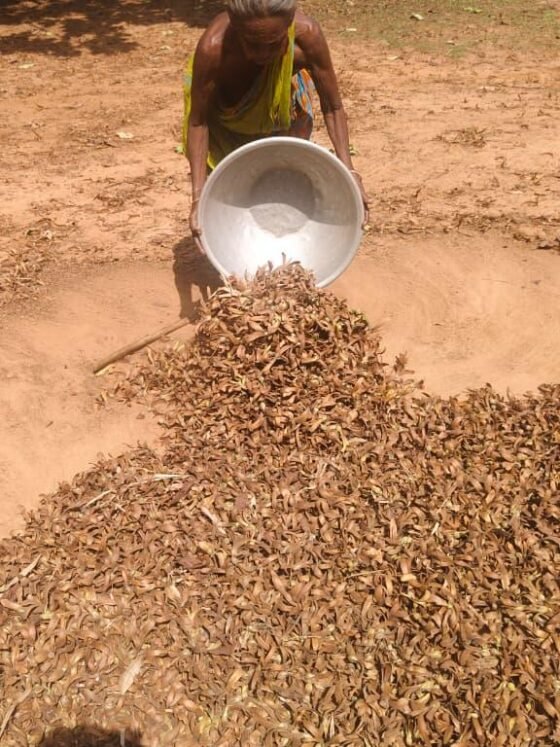
This groundwork has helped strengthen systems for collection, drying, grading, and aggregation, improving both product quality and market realization.
Through BhaMa Foundation’s intervention, fragmented supply chains are gradually becoming more organized and transparent, enabling SHGs and local entrepreneurs to participate in markets with greater confidence and bargaining power. We are grateful to our buyer partner, Manorama Industries, Raipur (a namesake coincidence that always brings a smile).
Turning Collection into Value
The impact is already visible. Local markets have become more active, price discovery has improved, and communities are moving from passive participation to stronger market participation.
It is worth noting that many of these MSEs and aggregators were already collecting and trading sal seeds in previous years. However, BhaMa’s intervention created standards, drying practices, aggregation methods, and guaranteed market linkage.
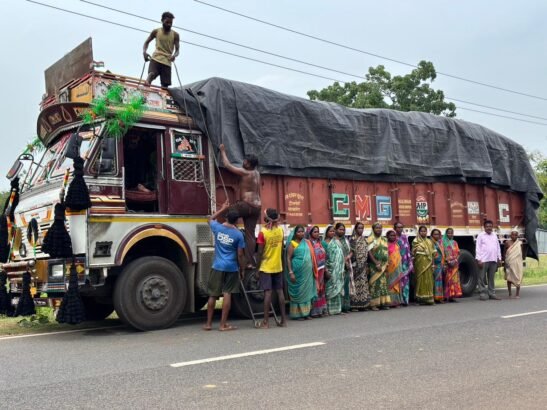 Through a cluster-based approach and the introduction of standard collection and processing practices, BhaMa Foundation has helped improve market efficiency and value realization. While collectors often received around ₹13 per kilogram in previous years, the benchmark market price this season has reached ₹24.50 per kilogram, significantly improving cash flow during the lean season. Yet the most encouraging outcome was seeing suppliers in some areas raise their prices to ₹30 per kilogram. For us, this was a sign of true empowerment, communities becoming more aware of their value and more confident in negotiating fair market prices.
More Than Seasonal Income:
For many households, this seasonal activity provides critical debt-free working capital during a period of near-zero agricultural income.
Based on field estimates, an average household collecting approximately 6 kg of processed sal seed per day can earn about ₹147 per day, ₹3,675 per month, and roughly ₹7,350 over the two-month collection season. This income supports healthcare, daily household needs, debt mitigation, and the purchase of agricultural inputs for the upcoming Kharif season, while reducing dependence on high-interest informal loans.
Beyond the economic benefits, the initiative has encouraged greater community participation in productive activities linked to local natural resources, reinforcing the value of sustainable livelihoods rooted in the forest economy.
A Beginning Worth Building On
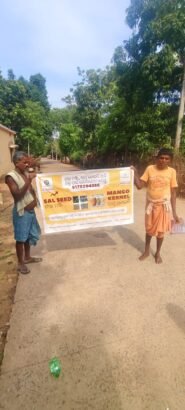
India’s minor forest produce sector remains one of the country’s most important yet under-structured livelihood systems. Strengthening these value chains is not merely about increasing income; it is about building resilience, restoring dignity, and creating sustainable pathways for rural growth.
Small improvements in aggregation, quality, and market access are helping reshape forest economies into more resilient and prosperous local ecosystems. Every additional rupee earned remains within the rural economy, supporting families, strengthening local enterprises, and creating a foundation for long-term growth.
As the sal seed season ends, the MSEs will start collecting mango kernels for a similar purpose. There is still much work ahead, but the early results are encouraging and reaffirm our belief that meaningful change begins with strengthening the foundations of local enterprise.
——-
PS: Our visits to villages revealed a powerful connection waiting to be built – tribal producers seeking market access and urban consumers looking for authentic, forest-based products. With this vision, we have facilitated Vanajata Udyan Fresh in Bhubaneswar, a physical retail platform near Omfed Square where hundreds of MSEs can showcase and sell their unique forest-based and locally crafted products. Through this initiative, BhaMa is bridging the gap between grassroots producers and urban markets while creating sustainable livelihood opportunities.
Thank you for reading! Feel free to like, share, and explore more of my posts. Stay tuned!



J Choudhury
06/14/2026I think this project can be scaled into Jharkhand and Chattisgarh.It will help to strengthen the supply chain so that each tribal household can at least earn ten thousand rupees.
Manorama Choudhury
06/14/2026Thank you for taking time to read. Yes, this operation also included a small region of Madhya Pradesh. Jharkhand and Chhattisgarh are definitely part of the expansion plan.
J Choudhury
06/14/2026There should also be the opportunity for the commenters to edit whatever he has written. It will be a great help.
Subrat Mohanty
06/15/2026Beautiful initiative. Hats off to BhaMa.
Manorama Choudhury
06/15/2026Thank you!
Asha
06/16/2026Manorama, I am very inspired by your blog, about village empowerment. You are sending good vibes and you are motivating others to do the same. You are doing great work 😊
Manorama
06/17/2026Thank you Asha ji for reading and sharing your good vibes too. You are a role model setting many examples of community services as well. Regards!
Salony Mohanty
06/16/2026Great article, loads of information and loved the specific numbers, which makes the article very insightful. I wish all the best to BhaMa foundation and hope it scales to all such untouched territories within India and touch a million lives more!
Manorama
06/17/2026Much love and appreciation for your encouraging words. Thank you.
Sanjukta Satapathy
06/18/2026It is a very good initiative. Will talk to you more on this
Manorama Choudhury
06/20/2026Thank you very much. Looking forward to hearing from you.
Tapan Mohanty
07/02/2026When one work directly added to the income n livelihood of poor tribal men n women the pleasure derived from it, is a Divine pleasure. We have to make is sustainable. Thanks for the great work.
Manorama
07/02/2026Indeed a Divine pleasure. May god be kind to make this plan a sustainable and help many.