A LITTLE OF MY STORY
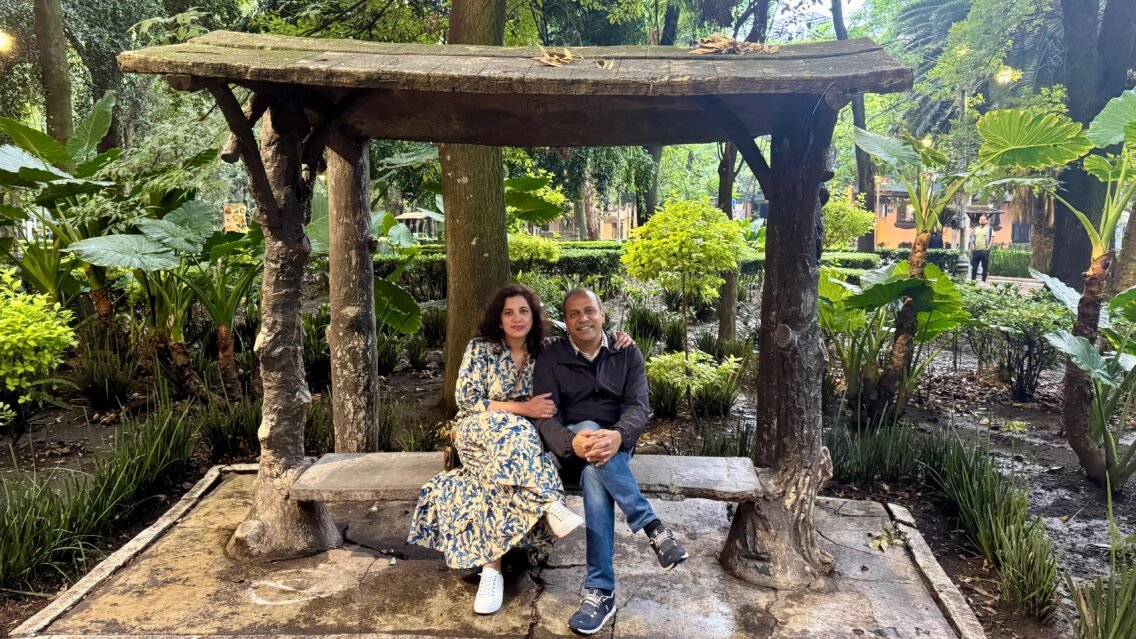
We accumulate more experiences, more responsibilities, more material things, or simply more distractions disguised as leisure. One way or another, we stay “busy.” It always feels like time is running faster than we can chase it. That’s why carving out shared moments with family has become precious to me, a way to hold time still before it rushes past. So when we managed to align our schedules for a family trip to Mexico City from June 2nd to 8th, it felt like a gift – one that counted toward our family goal for 2025.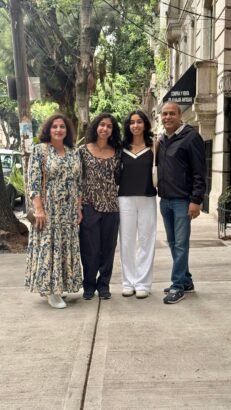
Day:1
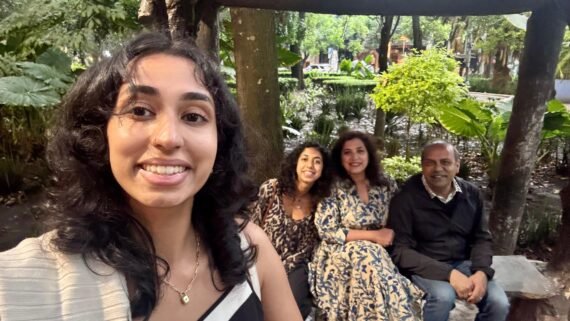
A direct flight from Boston landed us in Mexico City by late afternoon, two hours behind our time, which worked to our advantage. Our small boutique hotel was a two-bedroom condo with a cozy living room, dining space, and a compact kitchenette, nestled in the charming Roma Norte neighborhood. After unpacking and a short break, we headed out for our dinner reservation, strolling through a nearby park. Dense clouds loomed above, hinting at an impending downpour.
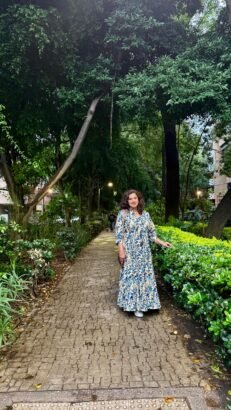 First impressions: The city exudes an old-world, rustic charm. Dense green trees arch over the pathways like canopies. Small street-side eateries spill out onto narrow sidewalks, and quaint three-bogie trams glide through the grid-like street layout. Walls adorned with graffiti, traffic on compact roads, and rows of dwarf palm trees with broad trunks add to the city’s character. Tree-lined medians between two-way streets reminded me of a miniature version of Barcelona. Among the many trees Mexico City is known for, Jacaranda, Shamel ash, and Glossy privet stood out. I can only imagine how stunning it must be in spring (February), when the Jacarandas burst into full bloom, draping the city in a breathtaking violet veil.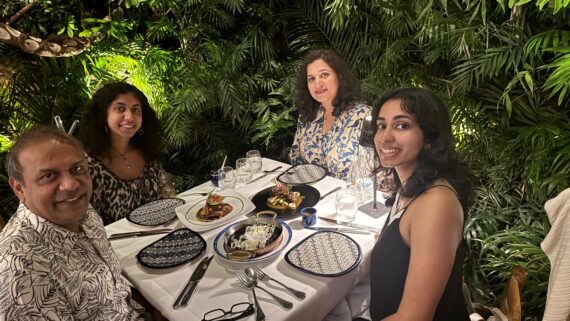
Just in time, we made it to the quaint restaurant Azul Condesa, moments before the thundering clouds broke loose. What followed was an unrelenting downpour that lasted over three hours without pause. We were seated in a covered courtyard, safe from the rain but not from the storm’s presence. It echoed all around us. The restaurant was packed, and no one dared to leave. At one point, the power went out, but the soft glow of candles scattered throughout the decor lent a warm, cozy charm to the ambiance. The food was all worth it, too.
As the rain showed no signs of stopping, we eventually called an Uber and made our way back to the hotel, dashing through puddles. Later, we learned that it had broken the city’s single-day rainfall record since 2017.
I joked to my kids, “Of course..Megha (cloud) and Neha (rain) decided to land on the same day!”
Day:2
The next morning began with ease, rested and recharged. One of the luxuries of traveling with grown-up kids is that they take the lead: researching where to go, what to eat, and where to shop. It’s like having your own in-house travel planners. The flip side? They have boundless energy to walk around all day, while we at some point inevitably find ourselves dragging our tired bodies behind them.
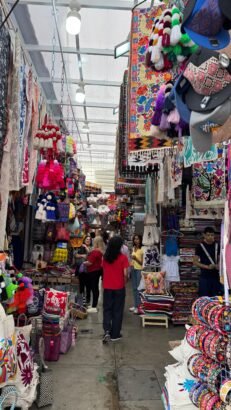
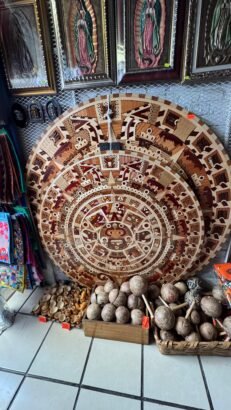 Since we had a late-night dinner, we skipped breakfast and walked to our first stop of the day, Mercado de Artesanías La Ciudadela. A charming artisan market complex, it’s known for showcasing Mexican handicrafts and folk art. Established before the 1968 Summer Olympics, it was created to highlight the cultural heritage of Mexico to visiting guests.
The market bursts with color and creativity. Among the many treasures on display were beaded jewelry, handwoven baskets, embroidered cotton clothing and bags, vibrantly painted skulls and mariachi hats, tortilla warmers, Aztec calendars carved in wood, brightly painted ceramics, tequila shot glasses, and an assortment of small decorative items. It was a sensory delight, narrow alleys filled with trinkets, textures, and the vibrant soul of Mexico in every stall.
After strolling through the market, we accidentally stumbled upon a tiny Indian tiffin café on our way to the next attraction. Just a small square space with two tables, and a partitioned cubicle separating the kitchen. It was empty. But in a foreign land, familiar food holds a special kind of comfort, so we stepped in, curious but unsure about the quality.
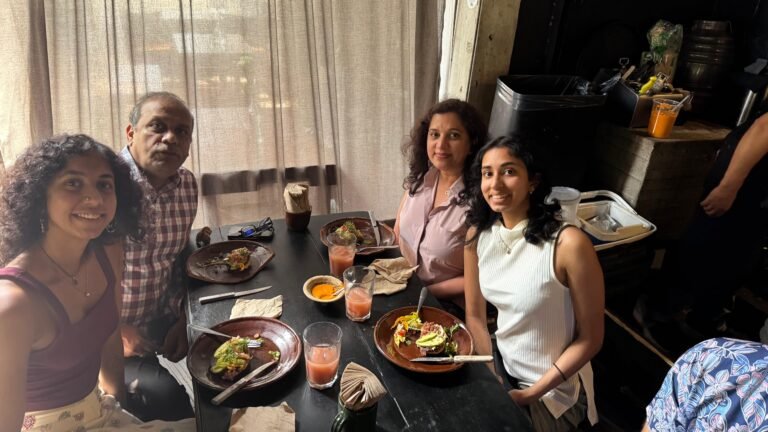

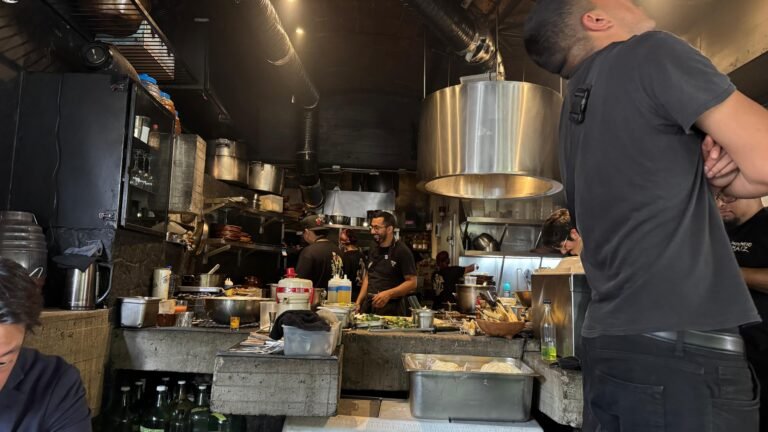
The café, as it turned out, is run by a kind couple from Uttarakhand, India, who have been in Mexico City for the past two years. As we chatted, they freshly prepared vegetable paratha, puri, chhola, and palak dal and to our surprise, it turned out to be the best food we had in Mexico City, served with an extra dose of warmth and hospitality.
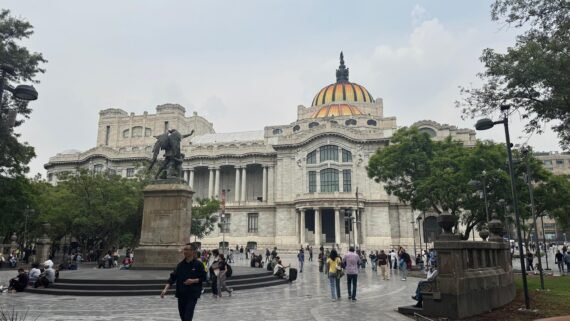 With hearts full and bellies happier, we headed to our next stop: the Palacio de Bellas Artes (Palace of Fine Arts), one of Mexico’s most iconic buildings. Constructed in the first half of the 20th century, it serves as home to the National Theater Company, the National Dance Company, the National Symphony Orchestra, and the National Opera Company. The grand hall can accommodate up to 1,700 guests.
An architectural marvel, the palace houses exclusive murals and paintings, blending pre-Hispanic motifs with Art Nouveau and Art Deco styles, a perfect marriage of Mexico’s rich past with modern artistic expression.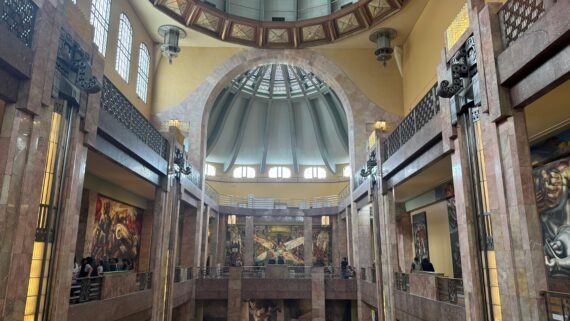
After spending ample time at the museum, we made our way to El Moro, a legendary churros and chocolate chain that’s been delighting visitors since 1935. Judging by the crowd, it clearly lives up to its reputation and it didn’t disappoint us either. Sweet and satisfying, it was the perfect afternoon treat.
We returned to the hotel to rest our tired feet, just as the rain prepared to return, accompanied by rumbling thunder. I decided to skip dinner, while the other three borrowed umbrellas from the concierge and ventured out to a nearby restaurant called Rooftop Bar. Thankfully, despite its name, it wasn’t actually open-air.
The day ended with weary legs and a body still trying to adjust to a new time zone.
Day: 3
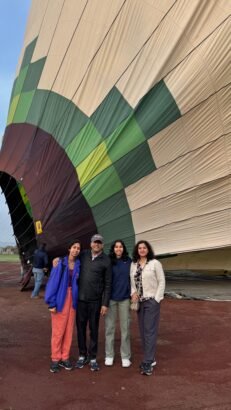
On the third day, we had an exciting plan, a hot air balloon ride. We had to leave our room at 4 a.m. and walk about fifteen minutes to catch a shared van. Though getting ready that early was a bit of a challenge, I must admit that the morning walk turned out to be one of the most pleasant parts of the experience. The city, wrapped in the hush of dawn, echoed with soft bird calls and rustling leaves. The dense canopy of trees seemed alive with cooing and chirping, lending a serene charm to the early hour.
The van ride took a little over an hour, leading us to the outskirts where the balloon crew was preparing for flight. Watching the massive balloons gradually inflate and take shape against the pinkish morning sky was mesmerizing. Once ready, we climbed aboard, and soon, the ground began to drift away beneath us.
The flight was incredibly smooth. We floated gently above the town, sometimes brushing the clouds, sometimes hovering close enough to wave at people below. The highlight was catching a breathtaking aerial view of the Pyramids of Teotihuacán, bathed in the soft light of sunrise. The ride was short yet unforgettable, and we landed safely in the open fields nearby.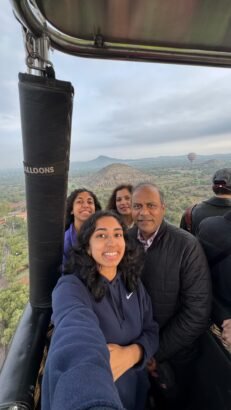
Though everything felt safe and well-organized, like any adventure sport, it carried its risks. Later, as I wrote this journal, I came across heartbreaking news about a tragic balloon incident in Brazil on June 21st, where a malfunction killed eight people and injured fifteen. The contrast between my joyful memory and their tragedy was a sobering reminder of life’s unpredictability and fragility.
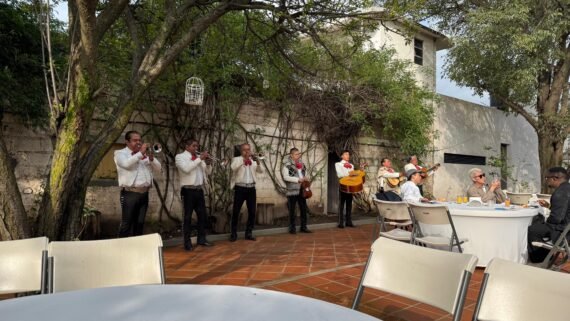
After landing, we returned by van to our starting point, where a delightful Mexican breakfast awaited us in a charming open garden. A live mariachi band played in the background, setting the perfect tone for the morning. Some others from our group headed off to the Pyramids, but we decided to return to the city. The return journey, now caught in morning traffic, took much longer than our early departure, but the extra time allowed us to relax and watch city life unfold.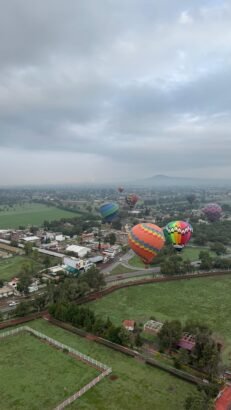
Lunch that day was quite an experience. The kids had discovered a niche restaurant called Expendio de Maíz Sin Nombre (“Corn Outlet Without a Name”), known for its surprise tasting menu. Diners are asked only about dietary restrictions. Everything else is left to the chef’s imagination. After each course, they ask if you’d like to continue. There were only four communal tables, and we waited nearly an hour and a half to be seated. We shared our table with a lovely Puerto Rican couple, and since we don’t eat pork or beef, the chef served us a wonderful array of vegetarian dishes. Each plate was a creative expression of local flavors. Fresh, hearty, and beautifully presented.
It turned out to be one of the highlights of our trip. After the satisfying meal, we returned to our hotel for a much-needed siesta. Later in the evening, we strolled through a nearby park, enjoying the gentle city breeze. For dinner, we tried Galanga Thai House, a high-end Thai restaurant with a stunning bamboo-themed décor that added a calm and elegant ambiance. The food was delicious and beautifully plated. A perfect way to close a day that nourished both the body and soul.
Day: 4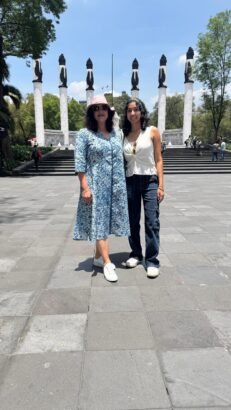
The plan for Day 4 was to explore Chapultepec Castle and the National Museum of Anthropology, both located within the sprawling Chapultepec Park, one of the largest urban parks in the world.
We began the day with a hearty Mexican breakfast at El Asturiano, a cozy café housed in a converted family home. The décor was simple with wooden furniture, colorful tiles, and a welcoming porch. But the warmth of the place made it special. The coffee was easily the best we’d had so far. Energized, we began our walk toward the park, as the kids insisted on skipping the Uber.
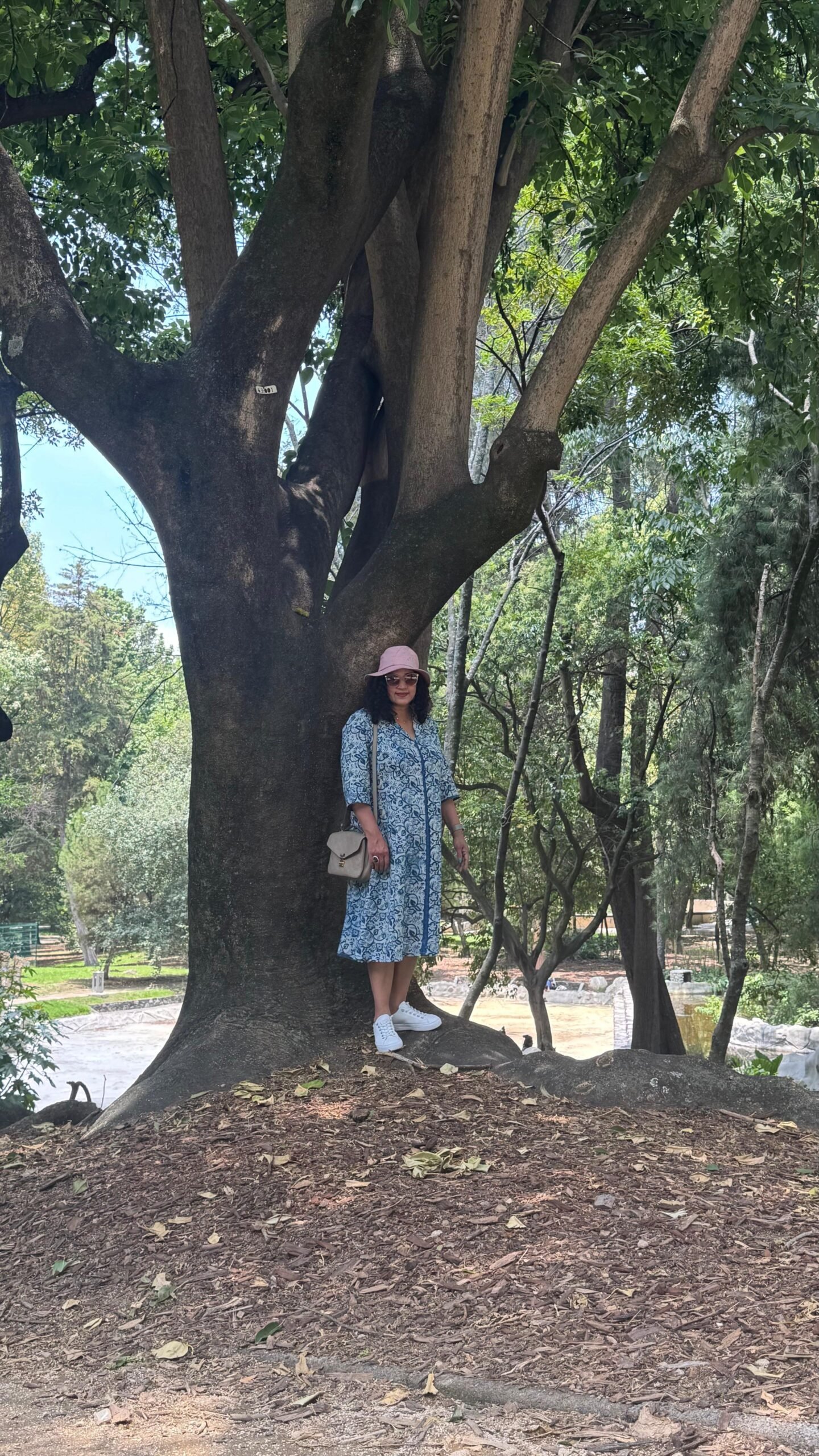
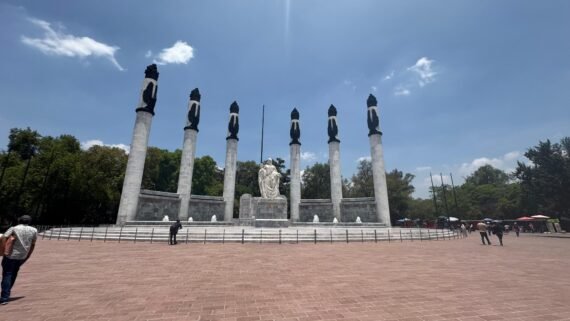 The path wound gently uphill, shaded by tall trees and echoing with birdsong. Along the way, we stopped to take photos beside the roots of a massive uprooted tree. I must say, nature’s own sculpture. Eventually, we reached Chapultepec Castle (Castillo de Chapultepec), perched majestically on a hill overlooking Mexico City.
Chapultepec Castle, built in the late 18th century, is the only royal castle in North America to have housed actual sovereigns. It served as the residence of Emperor Maximilian I of Habsburg and Empress Carlota during the brief reign of the Second Mexican Empire (1864–1867). Later, it became the official residence of Mexican presidents before being converted into the National Museum of History. The castle’s terraces offer panoramic views of the city, and its rooms are filled with European-style furnishings, paintings, and artifacts that tell the story of Mexico’s colonial and imperial past.
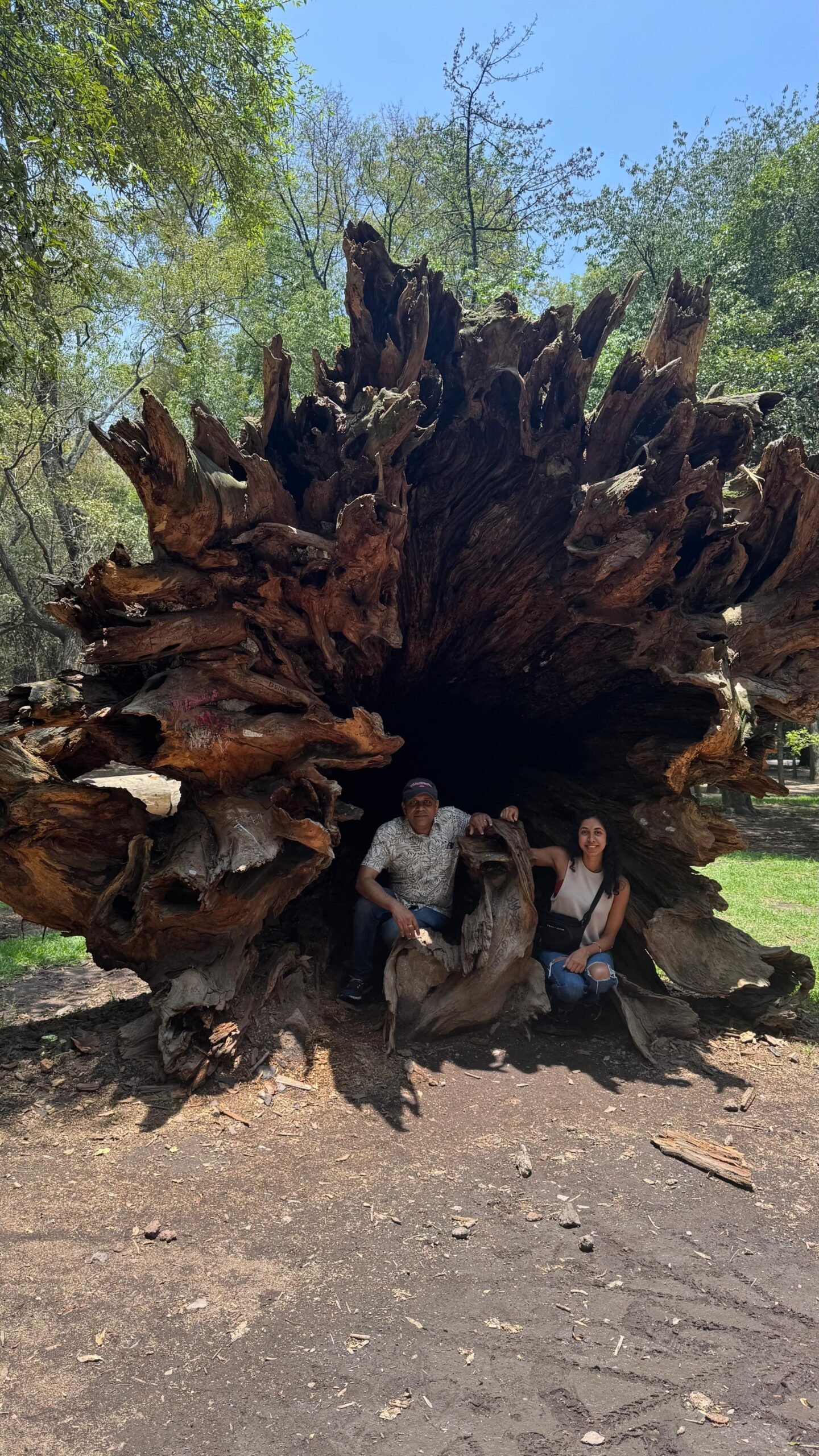
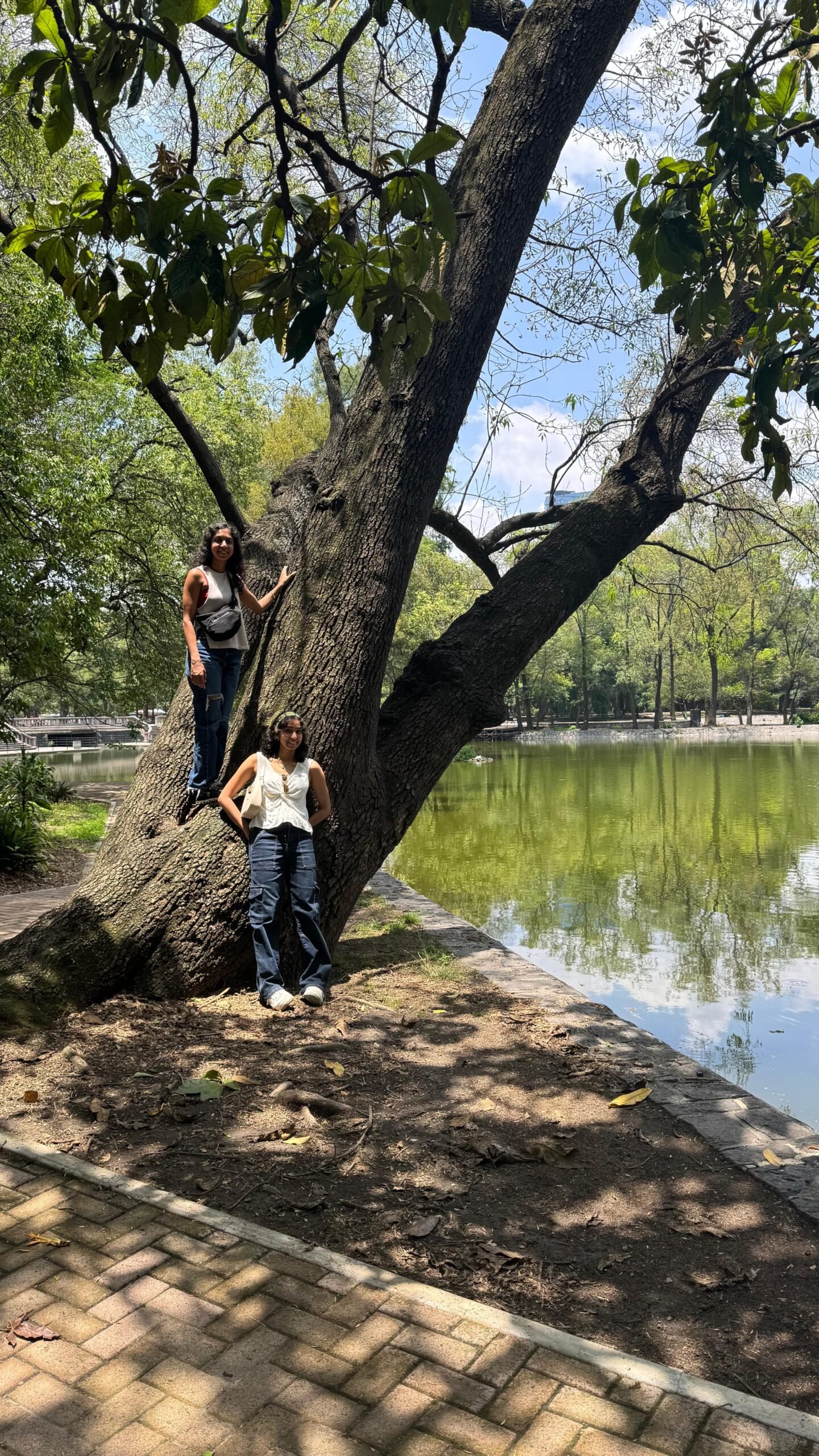
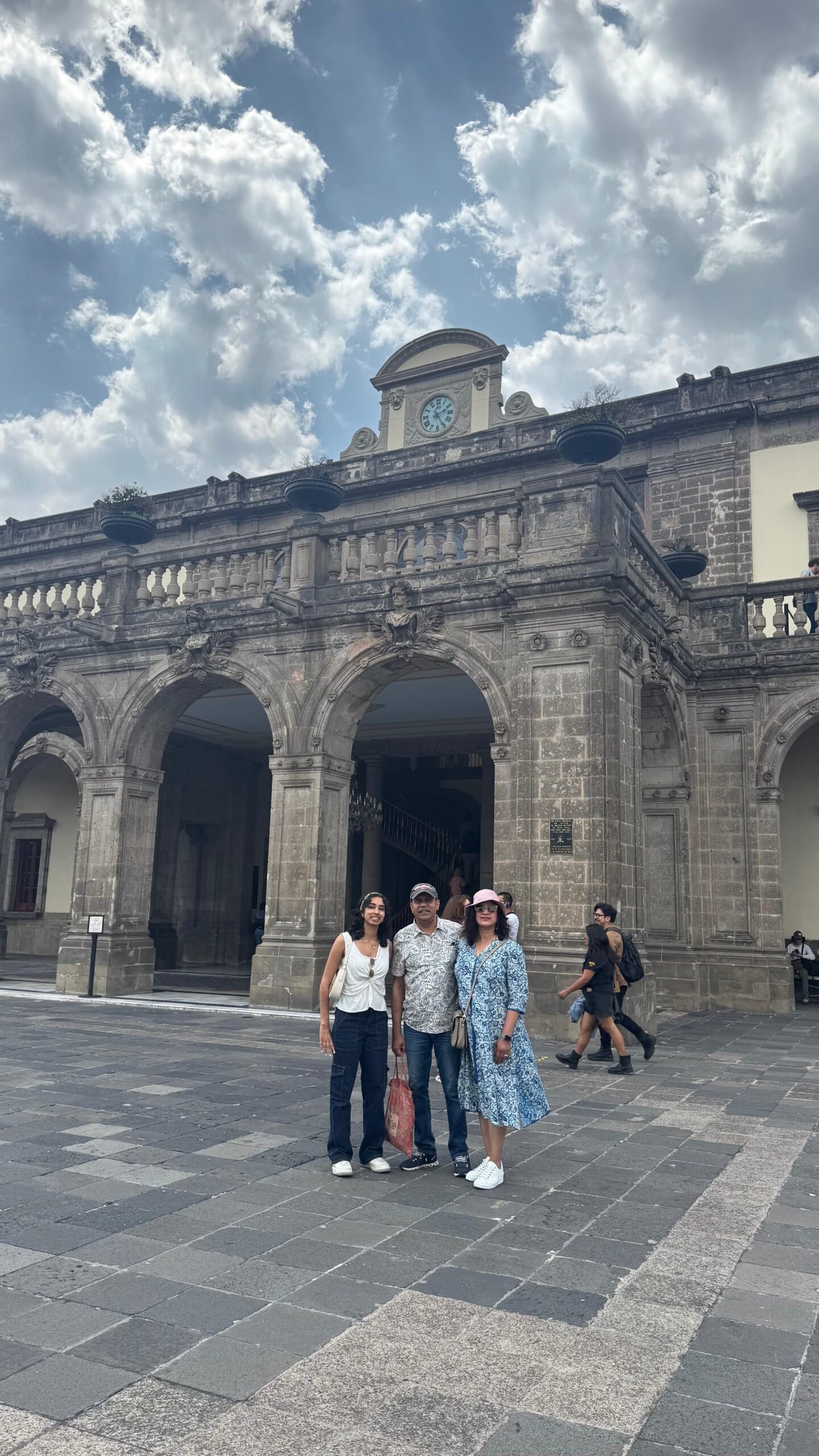
 Inside, we admired the stained-glass windows, grand staircases, and courtyards with fountains. Though not very large, the castle’s architecture and its surrounding gardens left a lasting impression. After exploring, we sat for a while in the courtyard, resting our tired feet before descending the hill.
On our way to the National Museum of Anthropology (Museo Nacional de Antropología), we paused by a pond surrounded by walking paths and iron benches. Families were boating, vendors sold roasted peanuts, and we couldn’t resist buying a small paper cone of them for munching.
The National Museum of Anthropology, inaugurated in 1964, is Mexico’s most important museum and one of the finest in the world. Designed by architect Pedro Ramírez Vázquez, the museum showcases the vast cultural heritage of pre-Columbian civilizations, including the Aztec, Maya, Olmec, and Toltec. Its central courtyard features a massive umbrella-shaped structure supported by a single column, a stunning feat of modern design. Inside, we wandered through halls filled with ancient sculptures, jade masks, and the awe-inspiring Aztec Sun Stone (also known as the Calendar Stone), which once stood in the Templo Mayor of Tenochtitlán.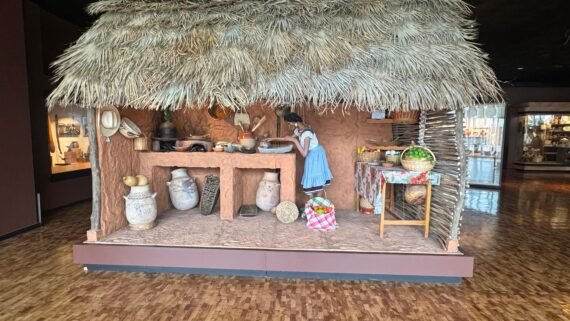
We spent several hours exploring the exhibits, each room revealing another layer of Mexico’s rich and complex history. By the end, our feet were sore and our minds full. We called an Uber to head back, but decided to make one last stop at Polanco, an upscale neighborhood known for its elegant boutiques and cafés. There, we treated ourselves to tall glasses of cold coffee, a well-deserved indulgence after a long day of walking.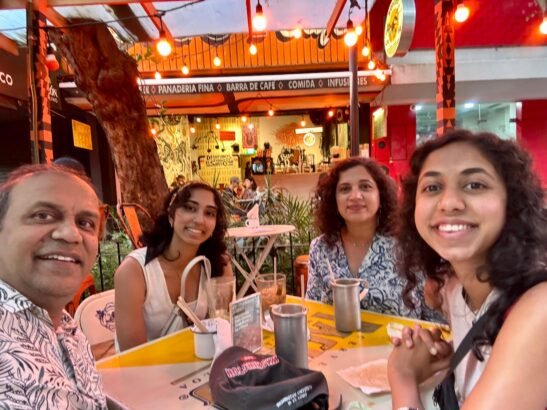
Dinner that night was at Tortas al Fuego, a nearby restaurant better known for its lively bar than its dining area. The dark, moody interior didn’t exactly draw me in, but curiosity got the better of us. The third floor, we heard, hosted a comedy show and was packed, while the rooftop bar pulsed with music. We opted to stay in the quieter indoor section for dinner. Though the food was decent, it was the day’s cultural and culinary experiences that truly stood out in memory.
Day: 5
This day turned out to be one of the true highlights of our trip. We headed to Xochimilco, often described as the “Venice of Mexico,” for a colorful backwater boat ride through its ancient canals. Our guide, Viridiana, a teacher of Sociology and Anthropology, immediately set the tone for the morning. Her voice carried both excitement and depth, reflecting her passion for history and culture. She started with the San Bernardino de Siena Church, one of the oldest colonial churches in the area. Built in the 16th century by Franciscan monks, it stands as a graceful reminder of Mexico’s early missionary history.
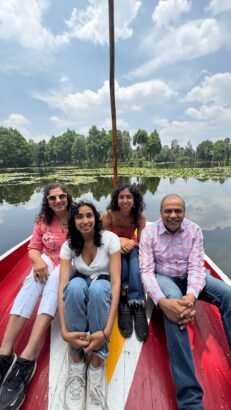 Next we proceed to our main attraction, the boat ride. As we drifted along the winding waterways, she began unfolding Mexico’s layered past. We learned that the region is home to nearly 60 distinct indigenous tribes, each with its own language, traditions, and spiritual practices. Long before Spanish colonization, Mexico City itself was built on a vast lake, and Xochimilco remains one of the last surviving remnants of that watery world.
A glimpse into ancient ingenuity:
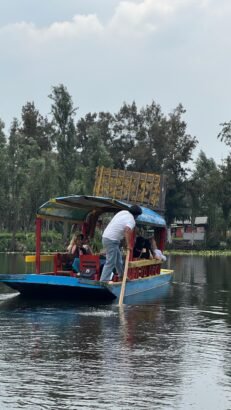 The Aztecs and other pre-Hispanic peoples developed an extraordinary agricultural system known as “chinampas,” or floating gardens. They created small rectangular plots of fertile land by layering mud, lake sediment, and vegetation over reed rafts anchored to the lakebed. Once dried, the black soil became buoyant yet stable, ideal for cultivating crops like maize, beans, and flowers. These chinampas sustained the great city of Tenochtitlán, the Aztec capital, which once floated on Lake Texcoco where modern Mexico City now stands.
As our trajinera, the brightly painted flat-bottomed boat glided through the canals, we could see remnants of these chinampas, bordered by willow trees. Occasionally, small boats would row past us, carrying vendors selling flowers, souvenirs, and food.
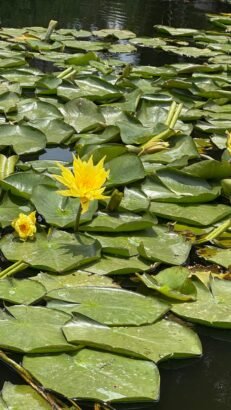
At one point, another boat, essentially a floating kitchen, pulled up alongside ours. Within minutes, we had freshly cooked Mexican dishes served piping hot tacos, quesadillas, and roasted corn all while gently cruising through the canal in the cool breeze. The aroma of grilled food mingled beautifully with the sound of mariachis playing in the distance. It was such a delightful concept, lunch served on water, cooked right next to you!
After our meal, our guide introduced us to a Mexican game similar to bingo, called Lotería. Instead of numbers, it uses illustrated cards with objects, animals, or people, each representing a part of Mexican culture. That’s also when I learned an interesting linguistic tidbit: in Spanish, words beginning with “el” denote masculine nouns, while those beginning with “la” are feminine.
We made a few stops along the way to step onto the chinampas and explore local settlements. One particularly striking patch was filled with dolls and skull decorations, which our guide explained belonged to the eerie yet fascinating “Isla de las Muñecas” – the Island of the Dolls.
The story behind the dolls:
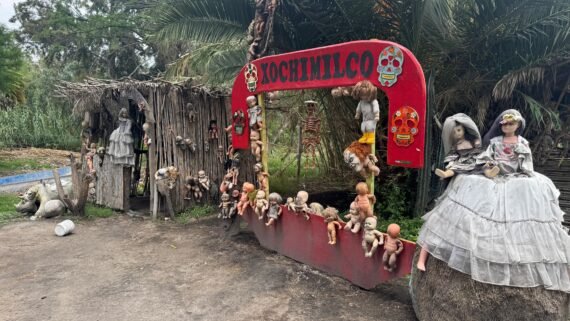 Legend has it that a man named Don Julián Santana lived on this island and once discovered a drowned girl in the canal. To honor her spirit, he began hanging dolls he found floating in the water. Over time, hundreds of weathered, broken dolls covered the island’s trees, giving it a haunting atmosphere. Locals believe the dolls are possessed by spirits, yet the place stands today as a symbol of devotion and mystery, blending indigenous spirituality with folk tradition.
As we continued our ride, we watched families celebrating birthdays, friends singing, and boats colliding playfully in laughter, a vibrant picture of Mexico’s living culture. It was more than just a sightseeing trip; it was an encounter with the heart of Mexico where ancient traditions, community, and color come together in harmony on water.
 After our boat ride, our guide took us through the local market, offering a quick yet fascinating glimpse into everyday life in Xochimilco. The stalls were bursting with colors – piles of tropical fruits, fresh vegetables, and fragrant herbs. We tried mamey, a fruit native to this region. Its taste was remarkably similar to chikoo from India, though it was much larger and richer in texture. Many stores sold varieties of chile pastes and pulps, each crafted from different ingredients but united by the fiery essence of Mexican chili. We even came across an unusual combination of chocolate infused with chile, a bold yet surprisingly delightful flavor.
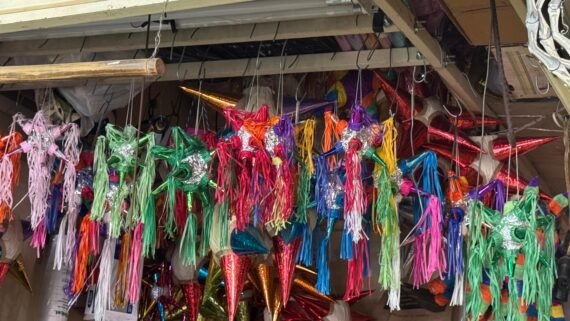
Our guide also shared the story of the piñata’s origin and how it evolved from a blend of indigenous and Spanish traditions. Originally used during celebrations, the act of breaking the piñata symbolized shattering sin and ignorance to reveal the sweetness of virtue hidden within.
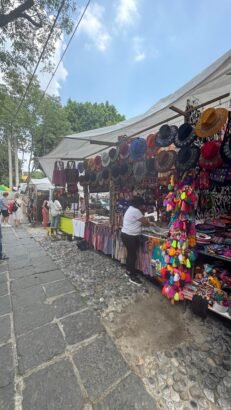 Before bidding us farewell, she explained the meaning of the name Xochimilco, derived from the Nahuatl words “xōchitl” (flower) and “mīl(li)” (field). Literally means, “the place where flowers grow.” As we walked back, surrounded by blooms, music, and laughter, it felt as though we had floated not only through canals but also through centuries of Mexico’s living heritage where nature, culture, and tradition still blossom side by side.
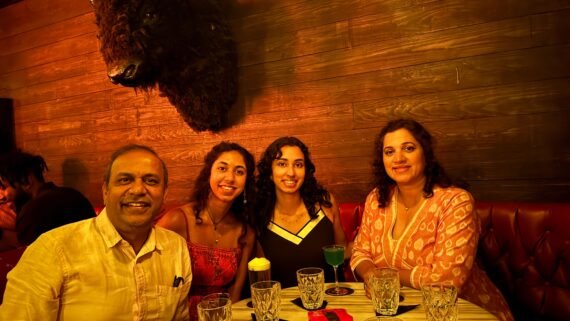 After returning to our hotel, we took a long, much-needed nap. By evening, we felt refreshed and ready to explore the city’s nightlife. We headed to Hanky Panky, one of Mexico City’s most famous speakeasy-style bars, known for its inventive cocktails and intimate ambiance. A friendly couple from New York joined our table, and soon an easy, cheerful conversation sparked the kind that makes travel feel even more connected and human.
Later, we went to Comedor Jacinta in the Polanco area for dinner, a contemporary Mexican restaurant offering a modern twist on traditional flavors. The warm lighting, thoughtful plating, and comforting dishes made it the perfect ending to a vibrant and fulfilling day. We returned to our hotel content and ready to unwind, hearts full from the day’s discoveries and conversations.
Day: 6
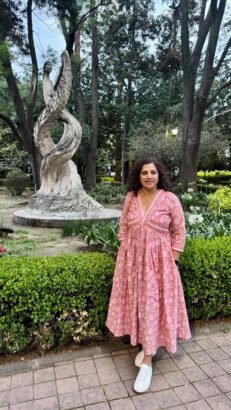
The day began on a relaxed note at Café Guardatiempos, a cozy little spot owned by an elderly gentleman named Don Mario. His warm hospitality gave the place a homely and personal charm. The café was not fancy but had an artistic and bohemian feel. It was filled with mismatched furniture, books, and paintings. The atmosphere was perfect for slow mornings, quiet reflection, and unhurried conversations over coffee.
Our next stop was El Bazar Sábado, a lively weekend market in the San Ángel neighborhood known for its Mexican folk art and handicrafts. The place was full of color and energy. Stalls displayed pottery, textiles, jewelry, paintings, and handmade items. Every corner told a story of skill and tradition passed down through generations.
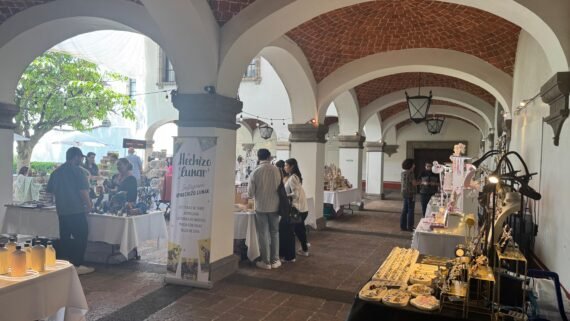 Among the many treasures, we bought a few souvenirs. One was a beautiful Aztec calendar made from small pieces of wood carefully fitted together. To a casual eye, it might just look like a piece of art, but on closer look, it made me think of how advanced ancient civilizations were. Their knowledge of time, astronomy, and symbols was truly impressive. I also bought a shawl made from handspun wool, designed by a local artisan. It was simple yet full of character, a true reflection of local artistry.
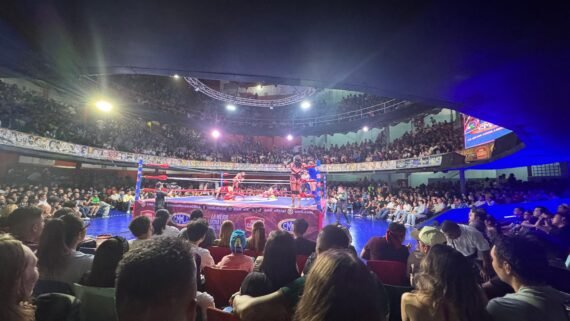
As the day came to an end, we enjoyed one of our most anticipated experiences. We had tacos at Mercado San Camilito and then went to watch Lucha Libre, Mexico’s famous freestyle wrestling.
Mercado San Camilito:
This food market is located in the heart of Plaza Garibaldi and is famous for authentic local dishes. Each stall offered something different. The air was filled with the smell of roasted peppers and sizzling food. We tried several kinds of tacos and chatted with a few travelers from North America who were part of our group. Our guide was excited to take us to the Lucha Libre arena and told us how special the experience would be.
 Lucha Libre:
Lucha Libre, which means “free fight,” is one of Mexico’s most popular traditions. It mixes sport, drama, and storytelling. The tradition began in the early 1900s when Salvador Lutteroth, known as the father of Lucha Libre, started the first professional wrestling company in Mexico City in 1933. He combined elements of wrestling and circus performances to create something truly Mexican.
Thank you for reading! Feel free to like, share, and explore more of my posts. Stay tuned!