A LITTLE OF MY STORY
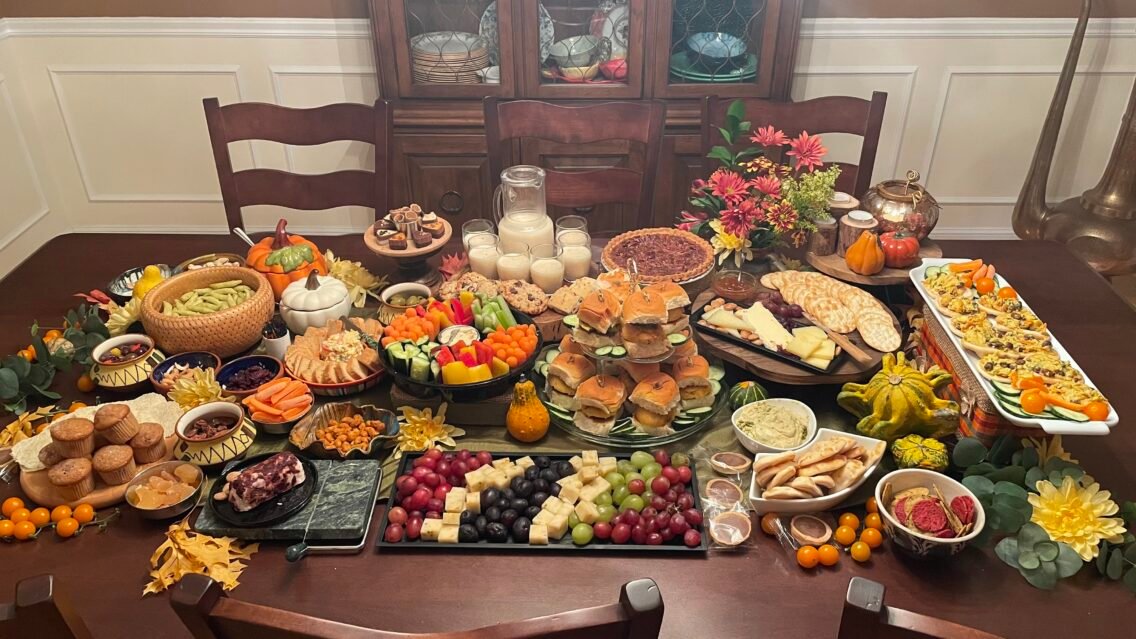
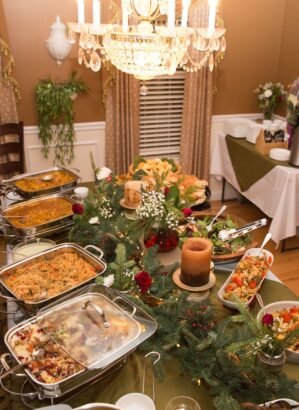 Over the years, whenever I share pictures of my artfully curated food arrangements, I often receive lovely comments beyond the usual “oohs,” “aahs,” or “why was I not invited,” along with the question, “Why don’t you teach a class?”
I always smile because, for me, it has never been only about food styling or presentation.
It is about creating a feeling.
With my background in psychology and my love for interior aesthetics, I have always been fascinated by how our surroundings shape our emotions. A space can make us feel calm, welcomed, inspired, or connected. The objects around us, the colors we choose, the way we arrange things, and the smallest details we add all quietly communicate something.
A home tells a story.
And often, that story begins around a table.
Food is More Than Taste
Before we taste food, we experience it with our eyes. Presentation creates anticipation. Colors, textures, arrangement, and even the way a dish is served awaken curiosity.
Sometimes, even when we are not hungry, a beautifully presented dish invites us to try. Our senses work together long before the first bite is taken.
This is where psychology quietly steps in; we experience the whole before we analyze the parts. What we see, feel, and sense comes together as one impression.
Perhaps this is why a simple meal can become memorable when it is thoughtfully presented.
But presentation, to me, is never about perfection. It is about care.
The Thought Behind Every Dish
When I prepare a gathering, I do not only think about what I want to make. I think about the people who will be gathering around the table.
What will make them smile?
What will remind them of home?
What will make them feel special?
I try to ensure there is something for everyone: a dish that speaks to each person’s taste, something familiar, something comforting.
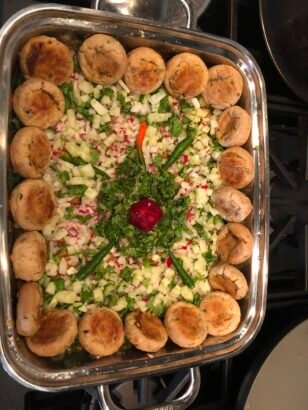
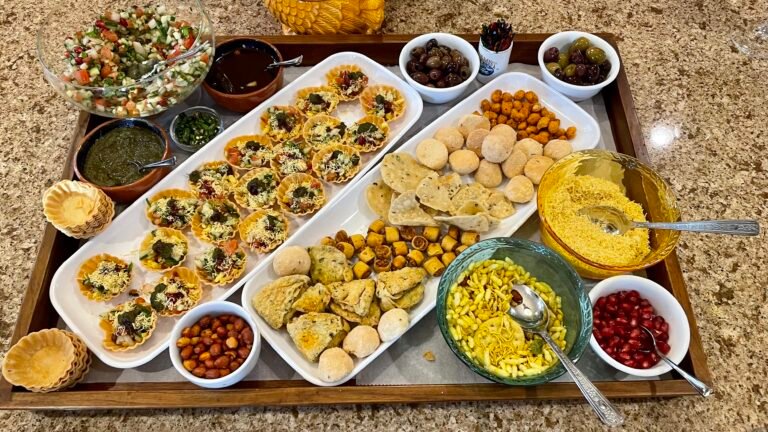
Along with new recipes, I love bringing my childhood into the present through my mother’s recipes. These dishes carry stories beyond ingredients.
A simple bite can suddenly open a door to memory. Someone remembers their childhood, another shares a family tradition, and slowly the table becomes a bridge between many lives.
The Invisible Ingredients
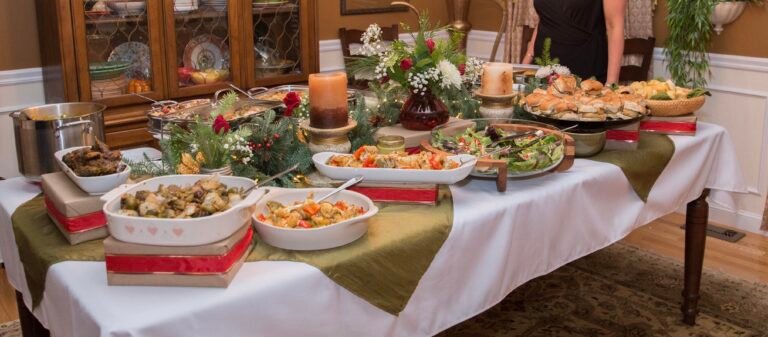
Whether it is a quiet tea gathering, a family dinner, or a festive celebration like Christmas, Diwali, or Thanksgiving, each gathering has its own mood.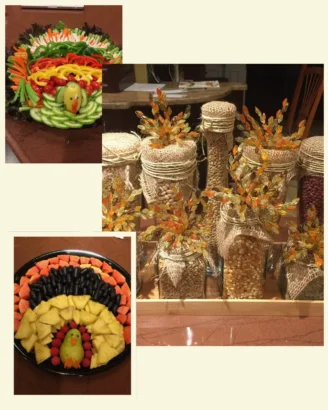
The table changes with the season.
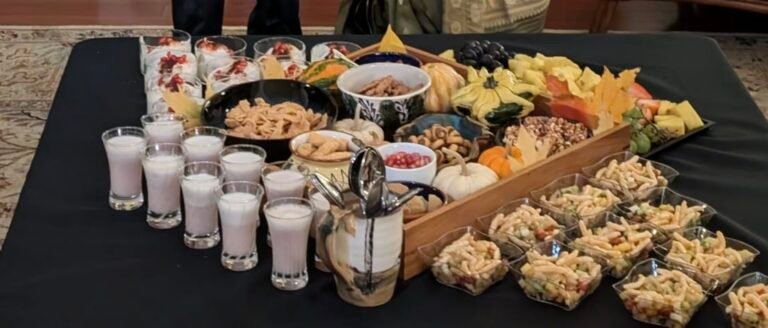
A warm cup of tea creates one kind of intimacy. A festive dinner surrounded by family and friends creates another. Seasonal drinks, traditional dishes, regional flavors, flowers, candles, colors, and textures all shape the atmosphere.
Some ingredients are visible:
the food, the decorations, the arrangement.
But the most important ingredients are invisible.
Thoughtfulness.
Intention.
Memories.
Effort.
Gratitude.
Love.
These are the silent ingredients that speak the loudest.
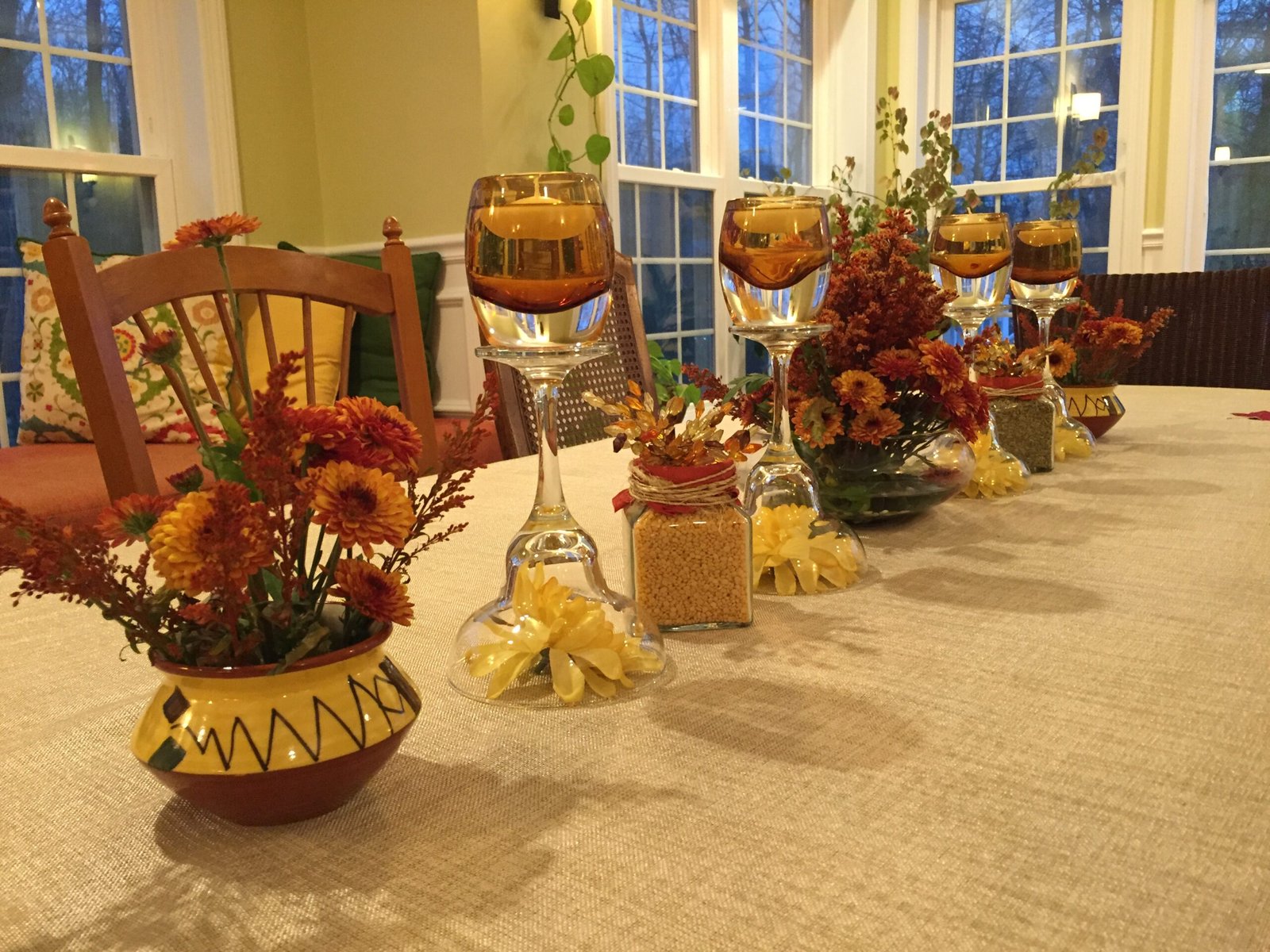
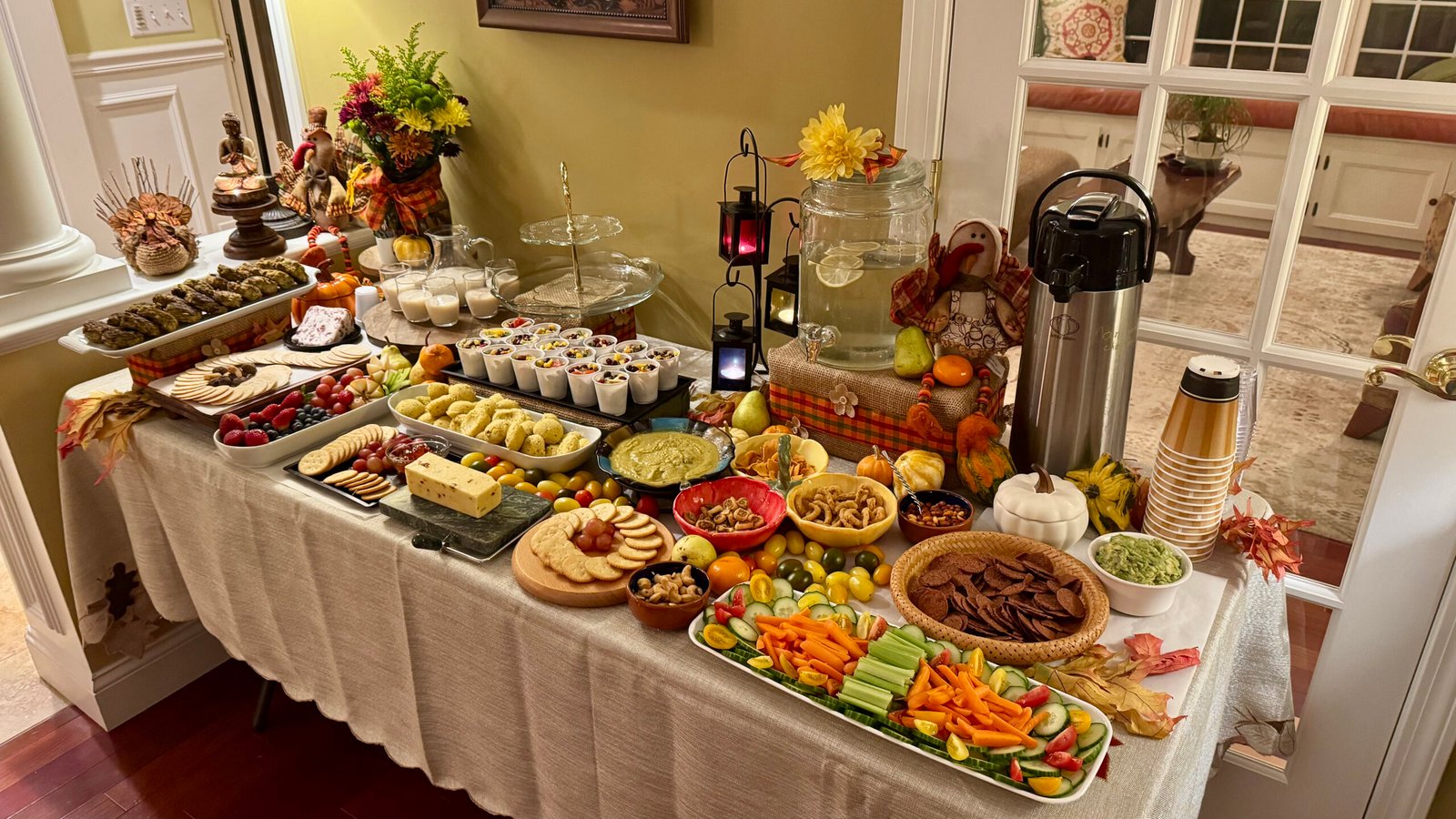
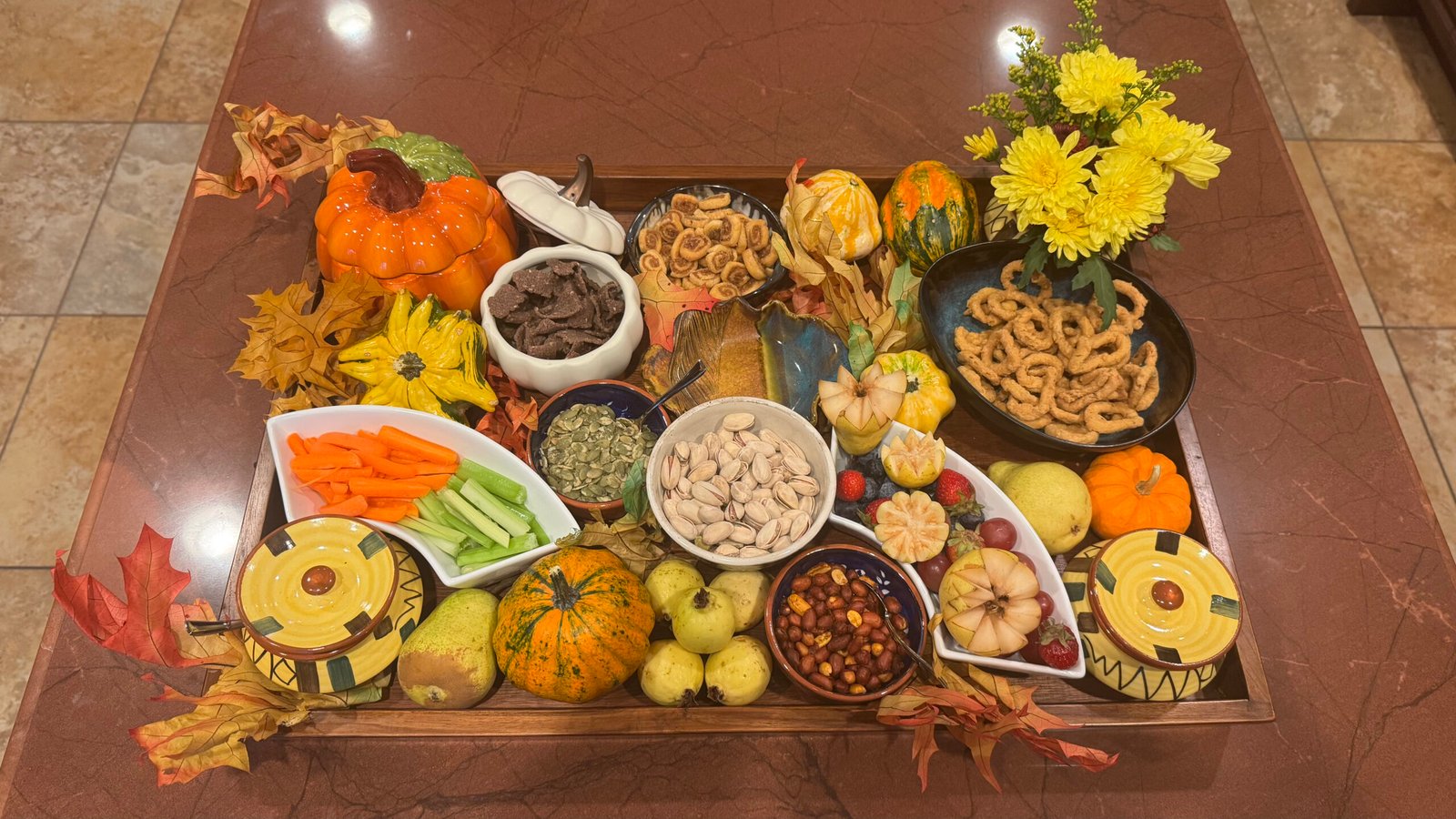
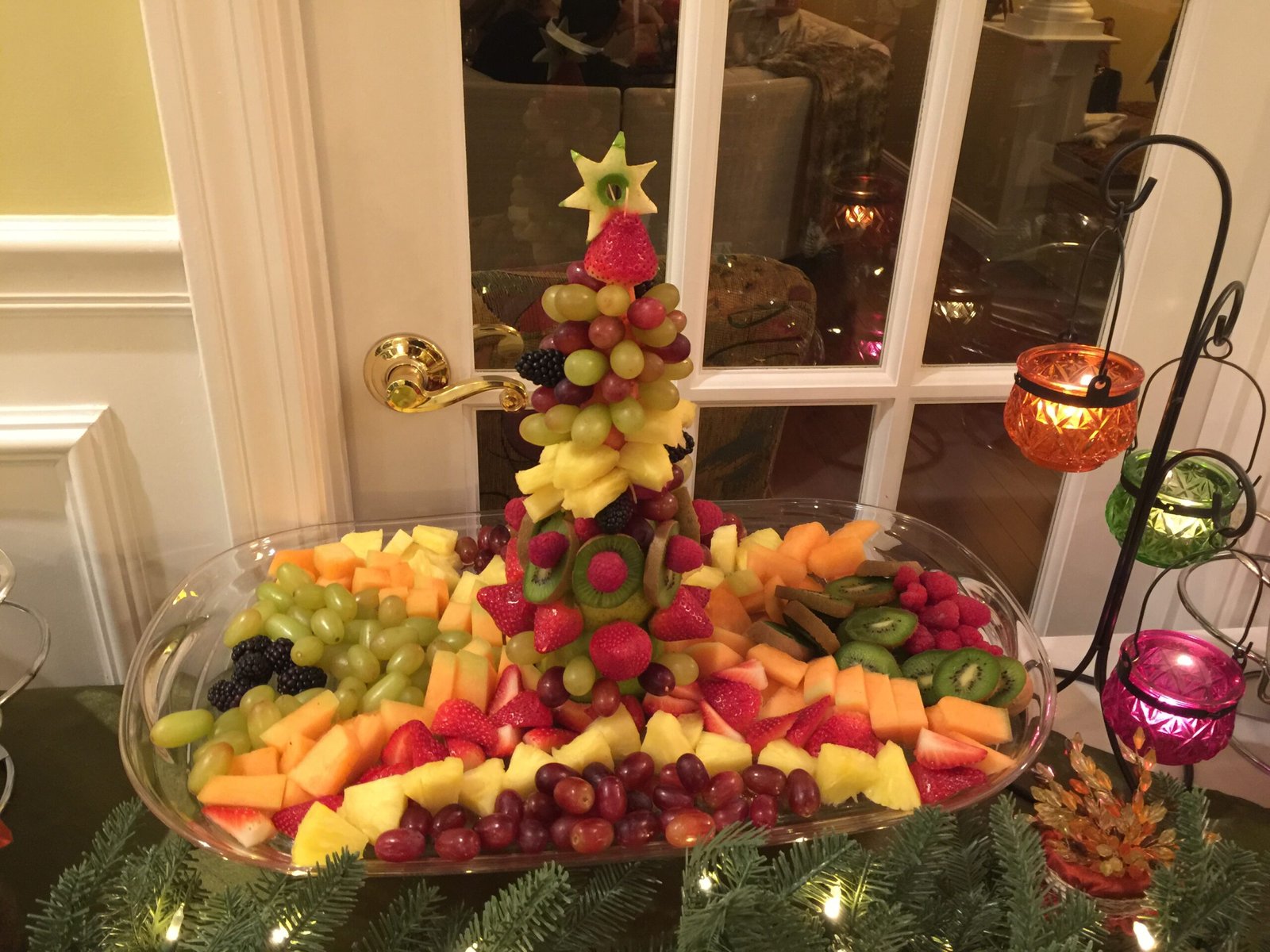
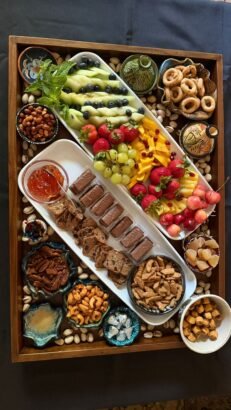
A Table That Celebrates Nature
One of my favorite parts of creating a table is allowing nature to guide the experience.
Every season brings its own palette. The freshness of salads in spring, the abundance of fruits in summer, the warmth of soups in autumn, and the comforting flavors of winter naturally find their way into my choices.
Seasonal fruits, vegetables, herbs, flowers, and festive colors become part of the table. I prefer to let nature lead rather than force a design.
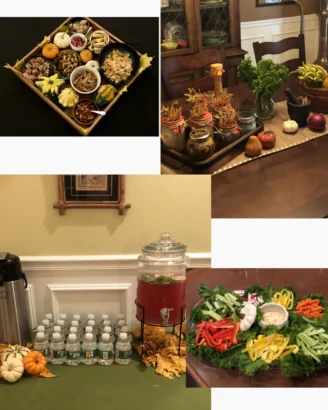 The colors of food are nature’s own artwork. Deep greens, bright reds, golden yellows, and soft earthy tones become a canvas of colors on the table.
Anything aesthetically pleasing invites us to pause and notice. A thoughtfully arranged food display becomes more than a meal; it becomes an experience of gratitude.
Gratitude for the farmers.
Gratitude for the earth.
Gratitude for the changing seasons.
Perhaps this is why a thoughtfully created table feels so grounding. It brings together nature, creativity, memory, and human connection in one quiet harmony.
The Whole is Larger Than the Sum of Its Parts
This is also why I often find it difficult to describe hosting as a set of techniques.
Because the magic is not in one recipe or one arrangement.
The magic is in how everything comes together.
A plate is not just ingredients. A table is not just dishes and décor. When everything is in harmony, it creates something larger: an emotion, a memory, a shared moment.
Psychology calls this holistic perception. We experience meaning as a whole, not as separate elements. Perhaps poetry follows the same truth; the sound and rhythm of words can touch the heart before the mind even interprets their meaning.
A beautifully arranged table does not simply say, “Look at this food.”
It quietly says, “You are welcome here.”
The Art of Hosting: Memories Made at the Table
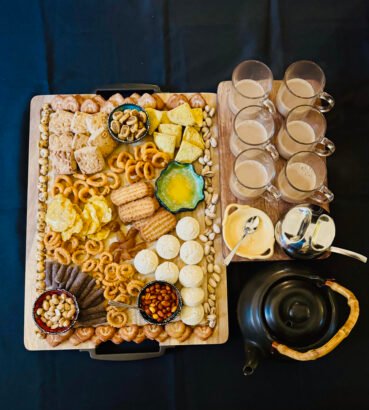 For me, hosting is not about impressing people. It is about creating comfort.
It is about offering a space where people can relax, share stories, laugh freely, and feel at home.
The most meaningful gatherings are not remembered for perfection, but for connection. And often, the personal touches quietly find their place on the table, creating memories.
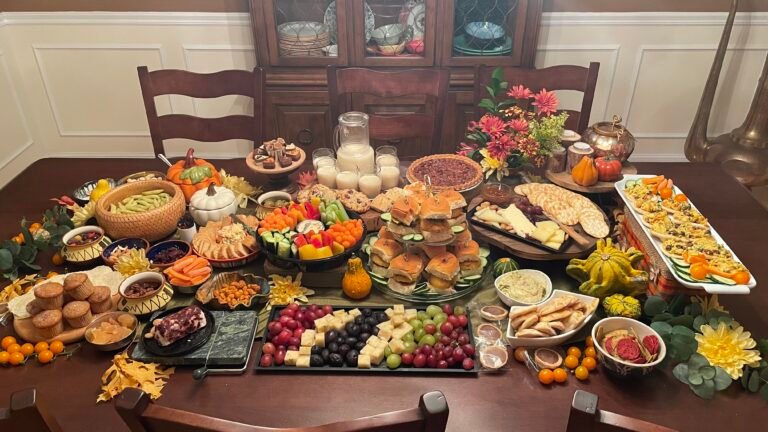
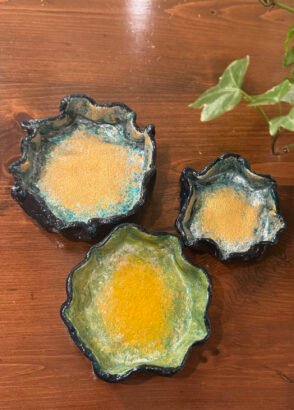
Some of my favorite details are not purchased items at all. They are handmade pieces created during craft time with my children.
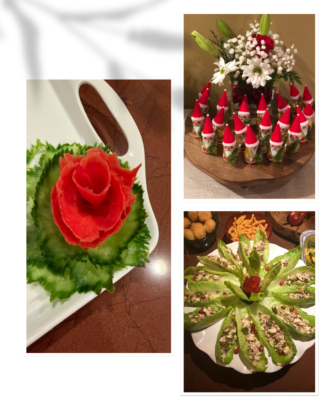 Making small pottery pieces together has always been a cherished activity in our home. The imperfect shapes, uneven edges, and uniqueness of each creation remind me that beauty does not come from perfection, but from presence and shared moments.
These pieces carry something no store-bought object can replace. When I place them on my table, they become more than décor. They become memories. They spark conversations and quietly bring stories back to life.
A table, in that sense, becomes a reflection of life itself — filled with inherited flavors, shared creativity, seasonal rhythms, and emotional connections.
The most beautiful homes are not those filled with expensive things, but those filled with stories.
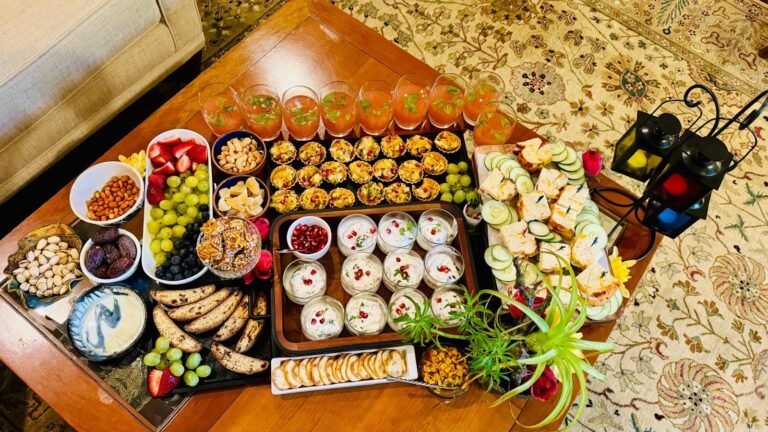
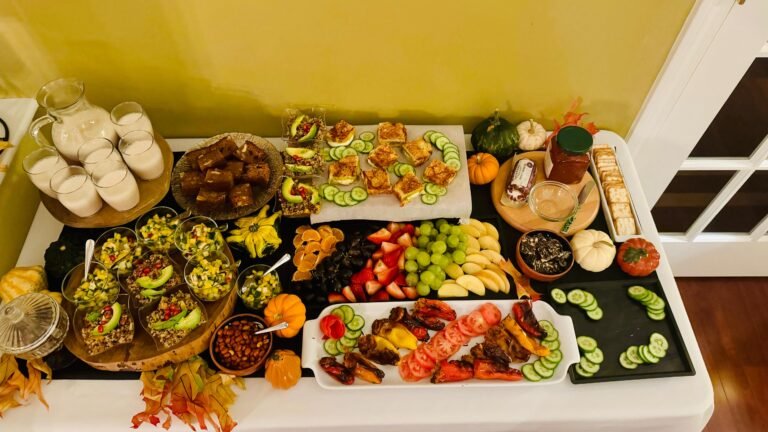
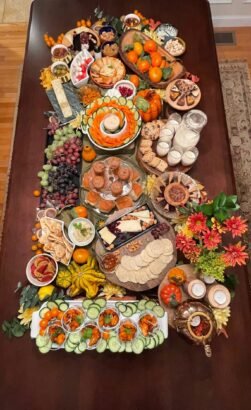
What Children Learn
I was a stay-at-home mother by choice. With busy school schedules and activities, children today often have limited unstructured time at home.
In many ways, mothers become quiet observers, guides, and emotional anchors for their children.
When my children were little, I encouraged them to do their homework in the kitchen while I was preparing meals. Looking back, I realize there was something deeper happening. They were not only completing their work; they were witnessing the everyday rhythm of a home – conversations, care, and the small rituals that shape family life.
 The kitchen is where all our senses come alive. It is where we experience textures, aromas, sounds, colors, and emotions. It becomes a place where practical learning happens naturally.
The day my daughters started sending me pictures of charcuterie boards they created while hosting friends, or sharing fully homemade traditional Indian meals they prepared during Diwali celebrations from their own homes, I felt a deep sense of joy.
Those moments reminded me that some of the most meaningful lessons are never formally taught. They are carried forward through experiences.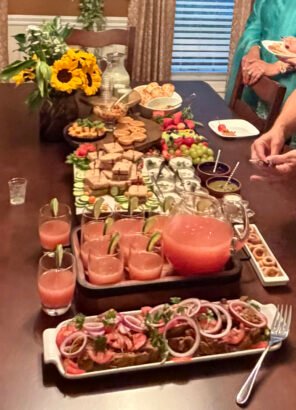
The little things they witnessed and lived with us had found their own expression in their lives.
What People Remember
Perhaps that is why what stays with us longest is not always what was taught directly, but what was experienced deeply.
A table is never just about what is placed on it. It carries stories, traditions, emotions, and the invisible ingredients that bring people together.
Because in the end, people may forget exactly what was served.
But they remember how they felt.
And long after the table is cleared, what remains is never just the food — it is the invisible ingredients that were always there: the love, the memories, the conversations, the laughter, and the feeling of being welcomed.
That is what truly stays.
Thank you for reading! Feel free to like, share, and explore more of my posts. Stay tuned!




Jitendra Kumar Mohanty
07/23/2026“And long after the table is cleared, what remains is never just the food — it is the invisible ingredients that were always there: the love, the memories, the conversations, the laughter, and the feeling of being welcomed.”…………..Excellent .
Thanks for your noble intention .Love it.
……with Love and Blessings.
Manorama Choudhury
08/11/2026Thank you for reading, reflecting, and sending your loving blessings.
Subrat
07/23/2026The artistic write-up is as beautiful as the decorated foodstuffs. As always, your LOVE is invisibly visible. God bless you.
Manorama Choudhury
08/11/2026Much appreciated your time to read.
Anupama
07/23/2026Oh my god amazing Mannu
Your food presentation is absolutely beautiful. Every dish looks thoughtfully arranged, with great attention to color, balance, and detail. You have a real talent for making food look as delicious as it tastes. It’s clear that you put care and creativity into every plate—it’s genuinely impressive!
Manorama Choudhury
08/11/2026Dear Anupama, thank you so much for reading and taking the time to appreciate. Much love.
J Choudhury
07/24/2026It should be made part of syllabus for all householders. Satiety is not only physical but also mental. Photos are beautifully appealing.
Manorama Choudhury
08/11/2026Thank you. Yes, I agree with you. Thank you for reading and appreciating.
Susmita
07/24/2026Hey Manorama,
I really like to see all your decorated food and inviting so many people. I used to do when I came to USA and I was house wife. But after job my focus was career growth. Which I achieved and become successful in life. With the age also I switched to proper diet. That leads to slim body and glowing face. Unlike other women who keep added fat because of food only. Now when I see your food blog its reminding me my past only. As long as you are decorating and inviting continue it and enjoy it. If I get time I will read your other tabs too. Best of Luck.
Manorama Choudhury
08/11/2026Thank you very much for your time to read and share your story. I am sure you inspire people around you with how you maintain. Yes, I still host, but very selective friends. A lot of my time goes into philanthropic work with life’s turning points; food is not on the priority list anymore. But my kids pay attention, learn by observing. So for their sake I try to keep up with my passion.
Please do read other blogs and share your thoughts. Some are funny, and others are informative. Fyi, housewife is a term I’m reluctant to use as no woman is married to a physical house. She is a homemaker in every sense. Cheers to all your roles. Regards!