A LITTLE OF MY STORY
 Despite progress over time and the rapid formulation of policies, the terms equality and equity are still frequently invoked, particularly in discussions on women’s rights. India has enacted several laws to protect women and children, such as the Prohibition of Child Marriage Act, the Protection of Children from Sexual Offences Act, and the Protection of Women from Domestic Violence Act. Yet women’s suffering often hides behind silence, tradition, illiteracy, and poverty.
This reality exists in both rural and urban settings. Sometimes, a degree of education does not necessarily make one truly educated. International Women’s Day is celebrated more enthusiastically on social media than in everyday life.
 Having said that, some of the strongest voices against injustice come from those who have lived closest to it. Others quietly redefine the meaning of resilience. Alaka Sahu is one of them.
I had plans to visit India in December of 2025, and a few of my Facebook posts started reflecting that intention. In many of those posts, I kept noticing one comment appearing consistently, requesting that I call or message her. I didn’t recognize the profile, so I ignored it at first. But when I landed in India, she left her number in one of the comments. So, one day, I decided to call.
Lo and behold, a familiar voice from my early childhood echoed on the line. It was Mrs. Alaka Sahu, whom I called Alaka apa, now a social worker working for her own organization, Society for Enlightenment & Voluntary Action. Her voice had not changed, and I was hearing it again after nearly four decades. Slowly, my memory began to return.
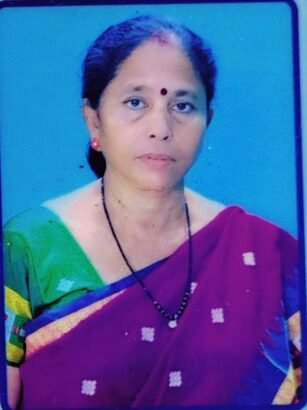 She grew up with her grandparents in conditions of extreme poverty. Her father had no job and struggled with alcoholism; he died at the age of 45, leaving behind three little children and a young wife to struggle. It was her grandparents who sheltered them, but making ends meet was a daily challenge. With a difficult childhood, responsibility came early, long before she was ready for it. Yet those years shaped a quiet determination within her.
My maternal grandparents were their neighbors and also lived a life of hardship. When my mother married, both my parents gradually worked toward building a decent life while supporting parents on both sides. Those who have lived through struggles often understand the pain of others who are in the same boat. My parents became quiet catalysts in encouraging families around them, often advocating that education is the key to building confidence and a better future.
Alaka apa is one of those who adored my parents as her own. She is of my elder sister’s age. She fondly reminded me how she grew up wearing some of my sister’s hand-me-down clothes and how my parents stood behind her like rocks of support. She continued her studies and also tutored others to earn a little money to support her younger siblings’ education. After helping raise her siblings and later guiding her own children toward a better future, she chose to dedicate her life to service.
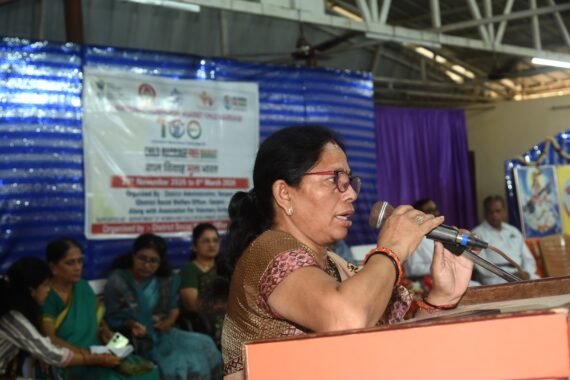
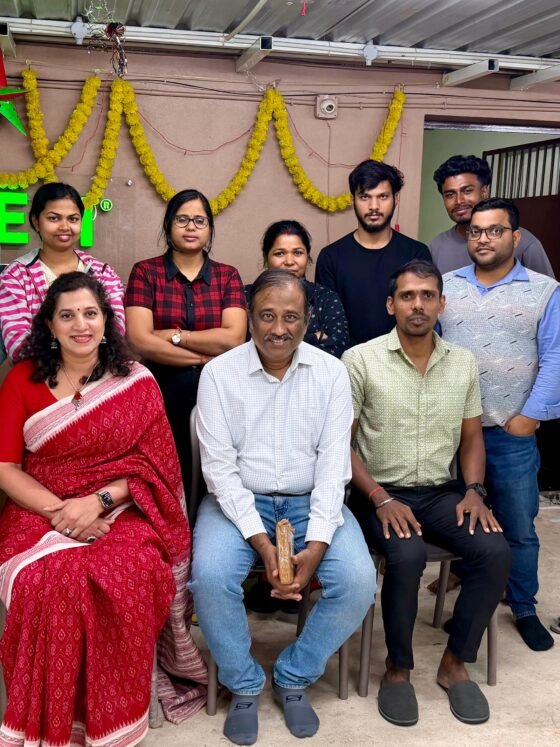
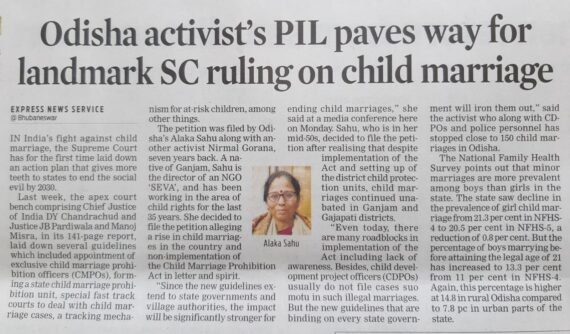 Studies show that early childhood experiences and hardships often leave lasting imprints on the mind, even if we do not consciously remember the details. Perhaps that is why the burning passion to help others became her guiding force, leading her to devote her work to women and young girls. She eventually started her own Seva Institute to serve girls and women in particular. Today, she has a team of seven other women working alongside her, striving to ensure that young girls are given the chance to grow, learn, choose their own futures, and that women receive justice.
Since then, she has worked tirelessly, preventing more than 150 child marriages, facilitating seven marriages under safe and legal conditions, advocating for stronger enforcement of the Child Marriage Act, and playing an influential role in including this topic at high school level. She has also brought attention to nearly 690 cases involving gang rape, human trafficking, female foeticide, and domestic violence, ensuring they are formally recorded and pursued through government channels. These cases span urban, rural, and even tribal communities.
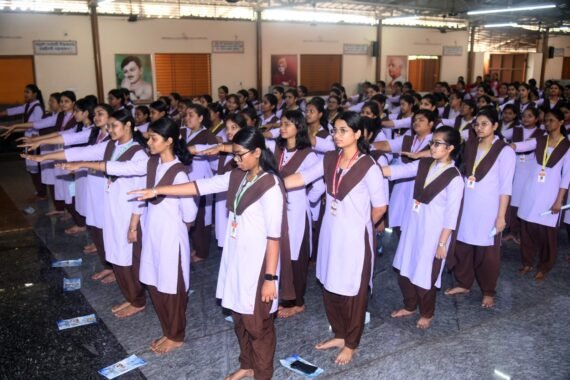
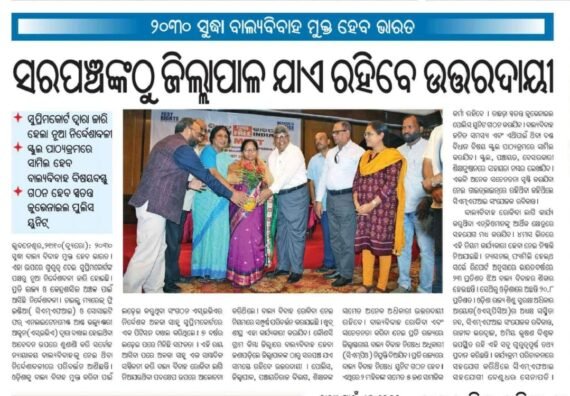 Alongside this work, she actively promotes girls’ education, emphasizing how crucial it is for building confidence and enabling women to survive independently in adverse circumstances. Her mission is never to leave someone halfway; she stands beside them from the beginning of their struggle until they are able to stand firmly on their own.
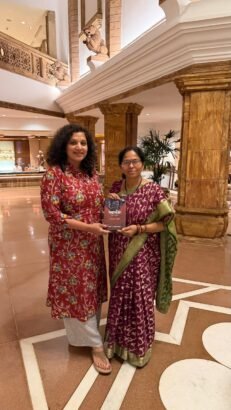
After a few weeks of chasing me on Facebook, she took a few hours’ train ride to visit me a day before I was heading back to the US. She arrived full of warmth and eagerness to see me straight from the station. In her memories, I am still frozen as a little kid in a frock playing a variation of hopscotch in front of my grandparents’ home. She brought me a few packets of chikki and til laddoos. She probably didn’t notice that my eyes were glistening.
In front of me was a free spirit, an open book with a typical accent, bubbly and deeply motivated. By now, she had lost her brother in an accident, and her sister had lost her husband unexpectedly. Yet both families have managed to rebuild their lives, with their children supported through employment and resilience. Her own sons are settled, and she is now a grandmother herself. With gratitude, she spoke warmly about her husband’s family, who support her work wholeheartedly.
 We often meet people who hold on to pain for too long and complain about life. But meeting her lifted my spirit. She sees the glass half full.
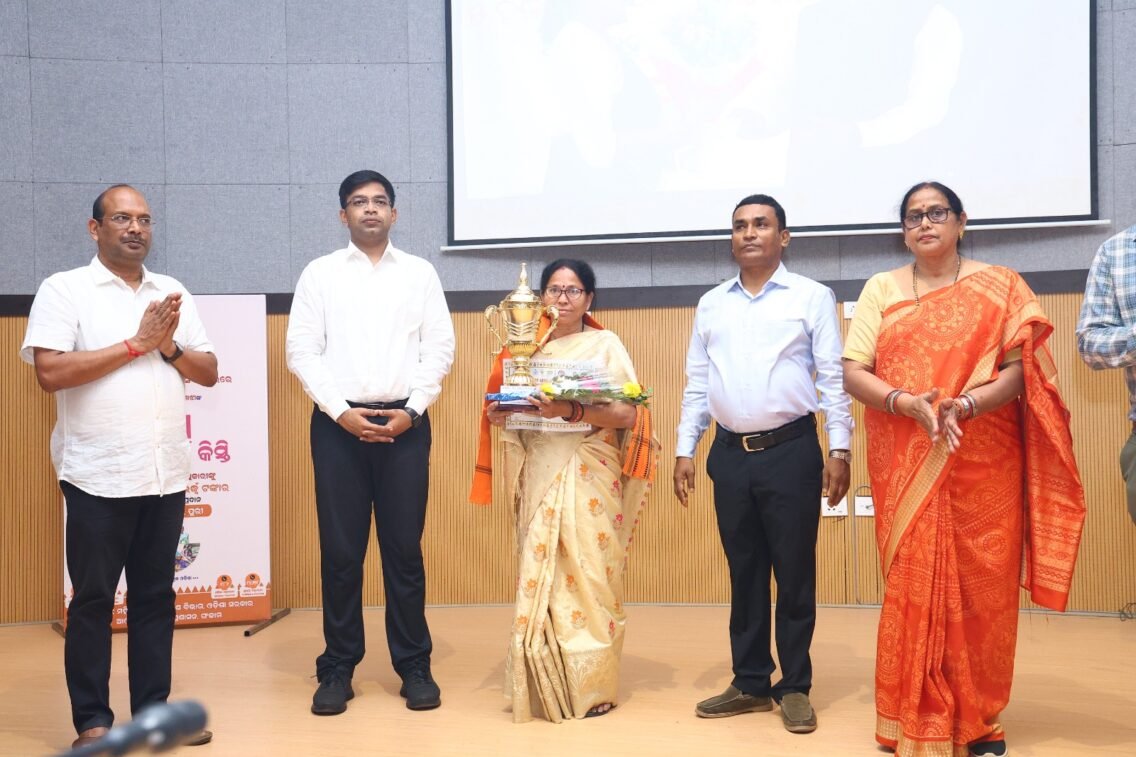
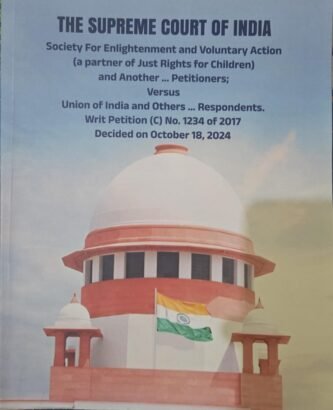
During our conversation, she proudly mentioned how the government, media agencies, and private organizations have recognized her efforts and honored her with several awards, including Women Achievers of Odisha. Her PIL as a social activist paved the way for a landmark Supreme Court ruling on child marriage. She has been fighting for more than thirty years, bringing awareness, education, and support system to girl victims.
At that point, I asked her how she manages the funds required for all that she does. Her response left me thoughtful.
Her husband owns a vehicle that he leases to a big company. After paying the driver and covering maintenance costs, they are left with very little savings that she taps into. They have been married for 36 years, yet they still do not own a house. Her elder son occasionally supports her work. Despite these limitations, her inner spirit to help others remains so strong that she somehow manages to travel wherever needed for her cause.
What surprised me most was that the government, though it acknowledged her work, does not pay her any remuneration for her service.
Reluctantly, she said goodbye that evening, proudly carrying a copy of my book with her.
Her story lingered in my mind as I boarded my flight the next morning. If the government organizes ceremonies to give awards, surely there are funds allocated somewhere. If policies exist and grants are sanctioned, where do they go if dedicated volunteers like her cannot even receive basic allowances? What will she do with those award plaques if there is no home of her own to display them?
While eating those laddoos she had brought, I kept thinking. As someone born into hardship and having a childhood marked by challenges, she could easily have become another forgotten story. Instead, she chose a different path.
I also wondered why she had such a strong desire to meet me. Every act of God seems to have a design, so what was the purpose of this meeting?
As I reflected, a thought crossed my mind: why not write her story? Perhaps a compassionate reader might connect her with the right resources so that she and her team can continue their meaningful work. After all, our instincts are often God’s desires quietly whispered within us.
So here I am, writing the story of a real-life community hero, because sometimes stories become the bridges that connect courage with compassion.
Thank you for reading! Feel free to like, share, and explore more of my posts. Stay tuned!




Pradip Kumar Mohapatra
05/09/2026Salute to the lady. Very good work Manorama bringing her work to notice of people
Manorama Choudhury
05/09/2026Thank you, Pradeep, for reading. My sincere effort is to help people and the system recognize and value her contributions, even amidst the crowd.