A LITTLE OF MY STORY
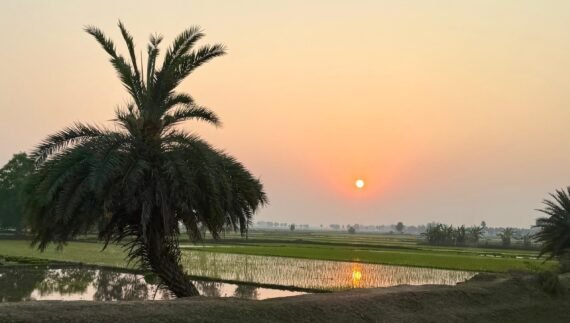
Somewhere along a narrow road cutting through miles of paddy fields in rural Odisha, as the sun slowly disappeared behind coconut trees and village ponds with the misty Eastern Ghats in the distance, I realized that understanding rural livelihoods cannot happen from reports and offices alone. It requires traveling the roads, sitting with farmers, listening to their stories, and observing the quiet resilience with which communities navigate everyday challenges.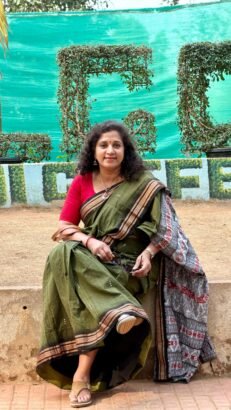
My recent visit to India brought many experiences: lessons learned, connections made, challenges observed, cultural barriers felt, and moments of hope discovered. Many of these reflections may not be necessary for others to read, but they are important for me to record, so that I do not forget. Beauty lies in the details, and I want to write them down while the memories are still fresh and the moments remain captured through my camera.
Currently, along with a dedicated team, I am working with BhaMa Foundation, a non-profit organization registered in Odisha. Its goal is to empower micro and small enterprises, strengthen livelihoods by diagnosing gaps, improving processes, enhancing skills, and creating sustainable market linkages.
The problems we encountered are many and often multi-layered. To develop effective solutions, one must connect with the roots of these problems and understand the realities people face firsthand. With that intention, we planned visits to some of the more remote regions of Odisha.
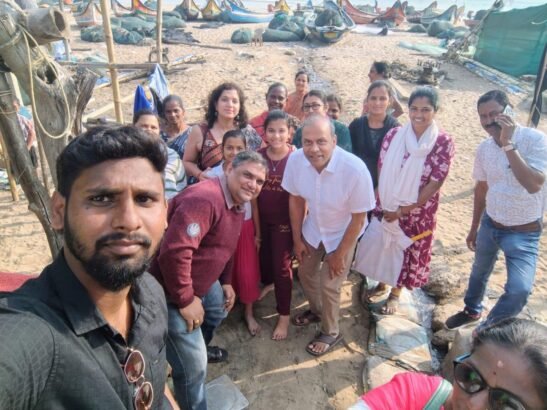
Penthakata, Bhailipur and Pandasara Villages, Puri
Our first trip was to Penthakata in Puri, along with our strategic partner Gopabandhu Seva Parishad which I have already shared our experience with the fishermen’s community there in a separate blog. (Click here to read) So let me move to our second location on the same day, Bhailipur and Pandasara Villages, Bhailipur GP under the Puri Sadar Block.
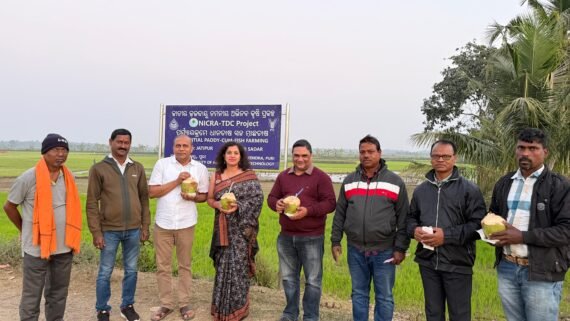
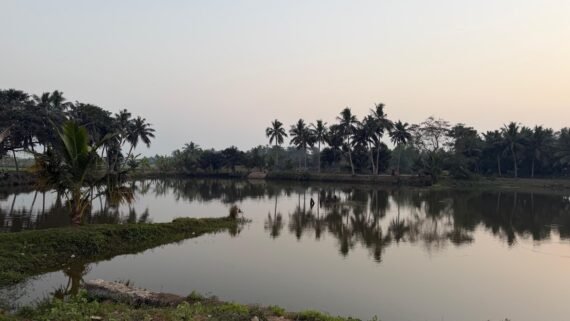
As we turned off the highway, a narrow road stretched ahead through miles of agricultural land covered with waterlogged paddy fields with coconut trees lined on the embankments, creating a picture-perfect rural landscape, much like a painter’s canvas.
Bada Khiladi, Kaptipada Block, Mayurbhanj
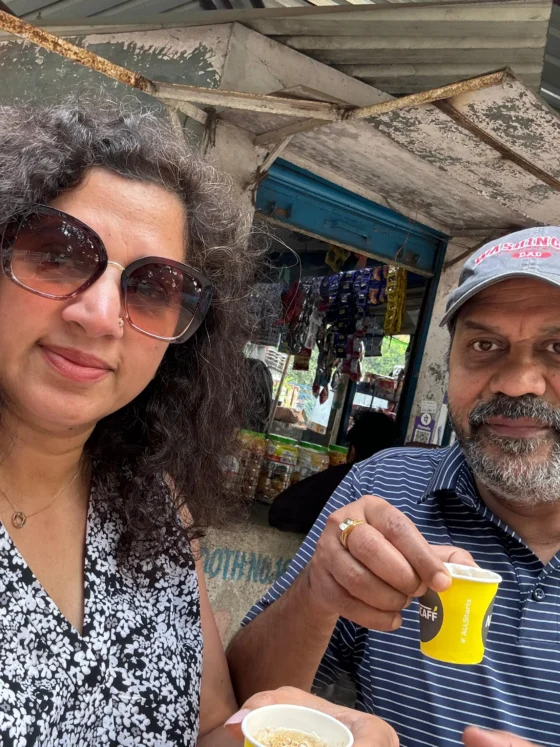
On January 23rd, we started early in the morning from Bhubaneswar in two cars. It was a few-hour road trip, and we paused along the way for tea and a quick stretch. One of the small pleasures of road travel in India is sipping hot tea served in earthen matkas by the roadside.
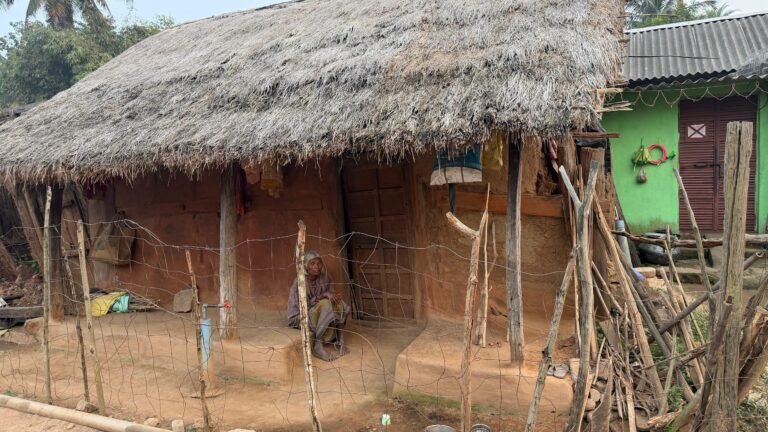
As we moved farther from the city, the smooth highway slowly gave way to kachha, uneven roads. By late afternoon, we finally reached a small village, Bada Khiladi, Kaptipada Block in the Mayurbhanj district. Most of the homes here were made of mud; those built with concrete looked worn and in need of repair. (Maintenance is often postponed until something breaks completely, a resilience I have seen across Odisha and even in urban areas.)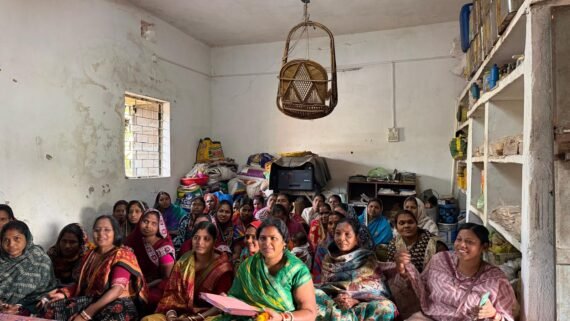
We arrived at an old house, partly concrete and partly mud. There was a small courtyard inside the boundary and a rooster wandered about happily as if it owned the place. As we entered, we were greeted by around fifteen to twenty women of a federation group named Mahalaxmi Producer Company along with their president, Pratima Parida. They started their presentation with a warm, melodic song celebrating nature’s abundance and collective strength, sung whenever they meet for activities. Witnessing that sense of community was truly heartwarming.
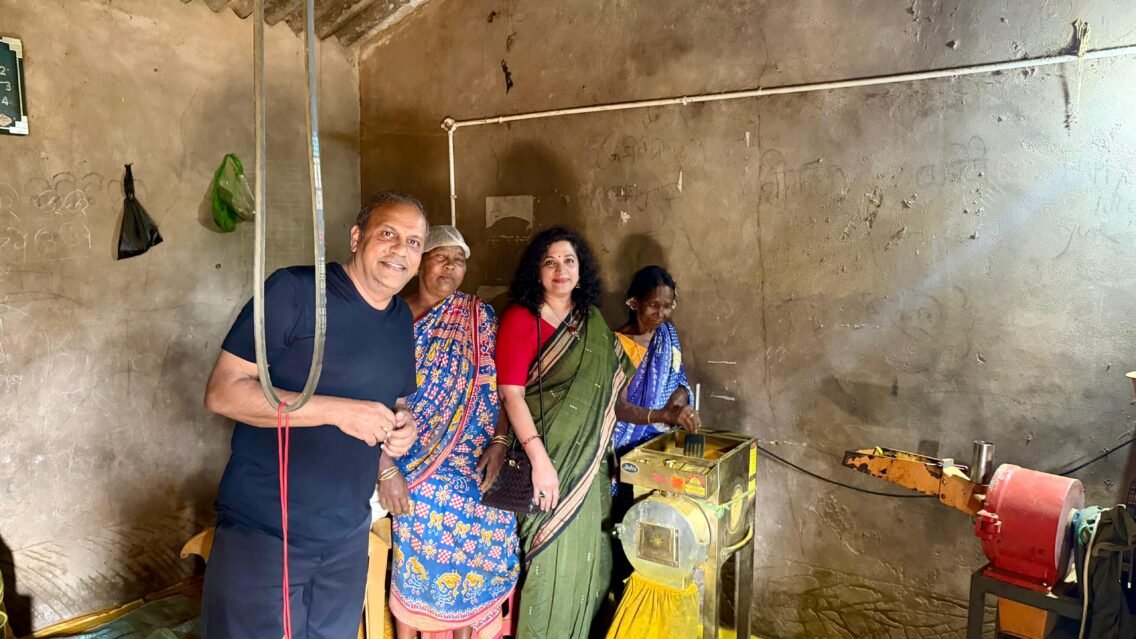
Since our visit had a purpose, Pratima ji showed us the godown where they stored grains and pulses, as well as herbal medicines prepared using age-old knowledge passed down through generations. BhaMa Foundation had already provided a drying machine for dehydrating fruits. These women now seek stronger market connections, as stepping outside their villages is difficult, and collective pricing helps protect them from middlemen.
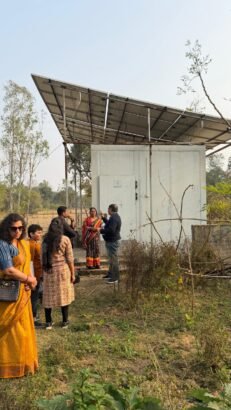
The village also had a government-installed cold storage facility, but it was underutilized due to improper installation and lack of training. With the right guidance, such initiatives could be revitalized.
On a personal note, after a month and a half of eating mostly in hotels, I thoroughly enjoyed the home-cooked lunch they served us, simple Odia food from homegrown organic vegetables that nourished body and soul.
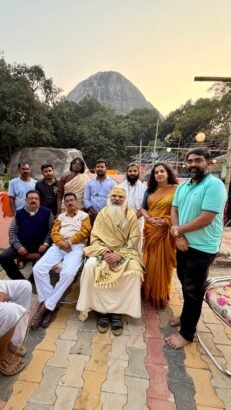
After the meal, our group split and headed in different directions. Three of us took a small detour to meet Babaji Sanatsujatananad Das, whom I had visited last year at Champagadi Ashram. This time he was visiting Shamibryksha and had asked me to come there. For those who enjoy traveling with a touch of mythology, Shamibryksha carries an interesting legend. It is believed that during their year of disguise, the Pandavas hid their weapons here. According to local belief, Sri Krishna had given Arjuna a secret mantra with which he manifested a massive tree. In the trunk of that tree there was a hollow where the weapons were hidden. After the Pandavas retrieved them, the tree is said to have turned into a single rock in the shape of a Shivling.
This giant rock today resembles Mount Kailash in shape. People worship Lord Shiva here, believing it to be his manifestation. Surrounded by a natural forest full of fruits and flowering trees, it is indeed a beautiful and peaceful sight to behold. After offering our prayers, we drove for about an hour to the nearby town of Udala, where we met our group for the night stay.
Dangarchua, Kaptipada, Mayurbhanj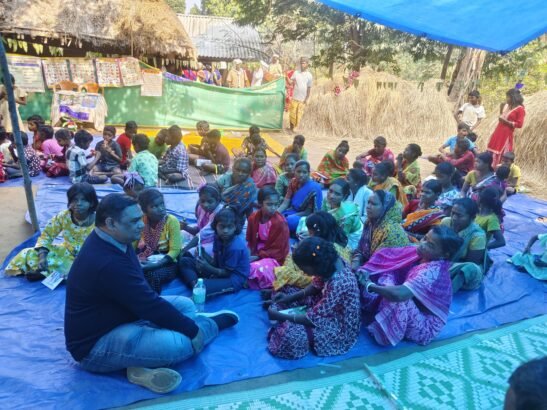
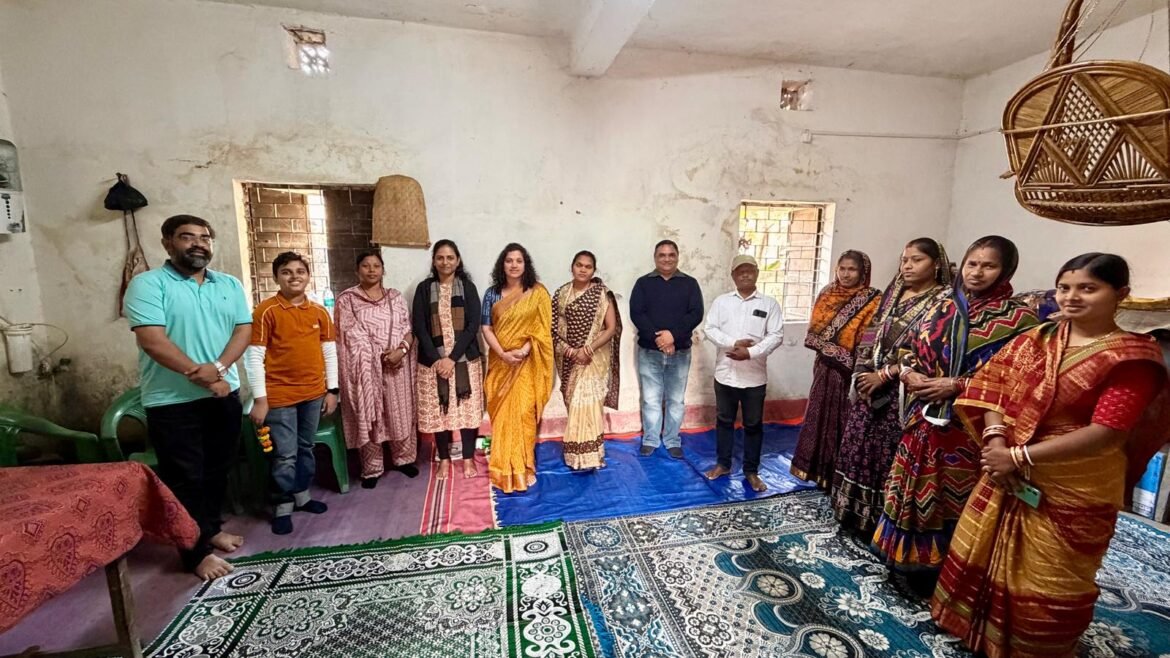
The next morning we prepared to visit a school supported by Ekal Vidyalaya, a non-profit that I have been actively promoting and supporting. I have shared a vlog of my visit there earlier. During this visit, BhaMa’s CEO, Mr. Prashant Kumar Sahu, also addressed the villagers, explaining how our organization can support micro and small enterprises in the region.
MSE Bazaar is in the process of collecting sal and mango seeds to fulfill an order. Since this region has an abundance of these trees, we encouraged villagers to take advantage of this opportunity and benefit from the initiative.
Dihirkul, Mayurbhanj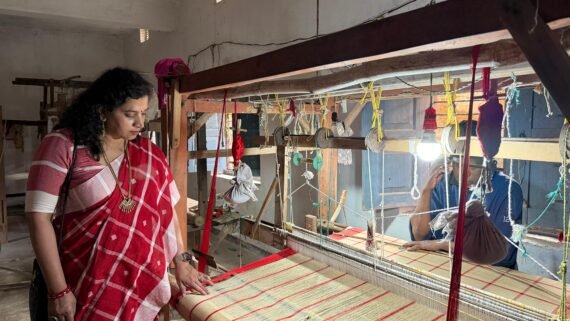
Next, we visited a tussar silk cluster in Dihirkula. This visit was unannounced. We reached almost to the tail end of the day, where most weavers had already finished their work for the day. Luckily we met Sri Dayanidhi Prusti, the owner, and his brother Sri Lokanath Prusti, an award-winning weaver. They graciously gave us a glimpse into their Dihirkula Samabaya Samiti where cocoons are processed, boiled, spun into thread, and woven into beautiful sarees.
I will try to write separately about this fascinating process, as I am an ardent lover of tussar sarees. They are extremely lightweight and incredibly comfortable to wear.
Even though all their sarees had already been packed to be showcased at the Adivasi Mela in Bhubaneswar, upon my request, they kindly opened one package and allowed me to buy a few. One of them I wore with pride to our BhaMa and MSE Bazaar Appreciation Day.
Gadragaon, Khajuripada Block, Kandhamal
Another two-day road trip began on January 31. This time my mother-in-law wished to join us, as she had spent a significant part of her early married life in the Kandhamal region. Since she now lives in a different town, we made a detour to pick her up, which added a few extra hours to the drive.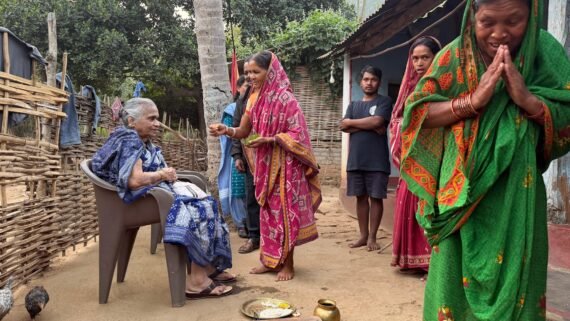
As we moved deeper into the district, the highway slowly disappeared into narrower roads. To reach Gadragaon under Khajuripada Gram Panchayat in Chakapada Block, the last few miles took us through a single-lane path cutting through dense forest in the hills where only one car could pass at a time. The jungle is also home to wildlife that can appear unexpectedly, which added a sense of quiet alertness to the drive. From the block headquarters, Sargiful Federation team – a strategic partner of BhaMa – joined to guide the way as they are familiar with the region and its Farmer Producer Organizations (FPOs). After a full day on the road, we finally reached the remote village of Gadragaon around 5 p.m.
The villagers had been informed about our visit beforehand, and we were welcomed with simple rituals of washing feet and offering arati. 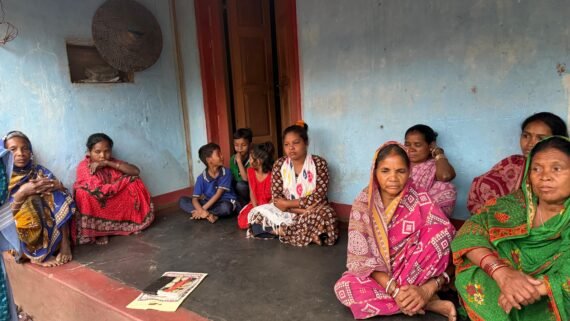 Over the past few years I have visited many remote villages in Odisha, and one thing remains consistent everywhere: the entire community comes together to receive visitors. It is a warmth we rarely experience in city life.
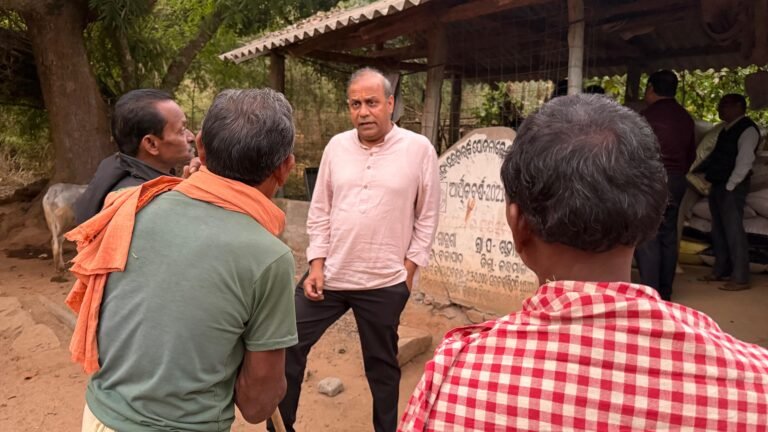
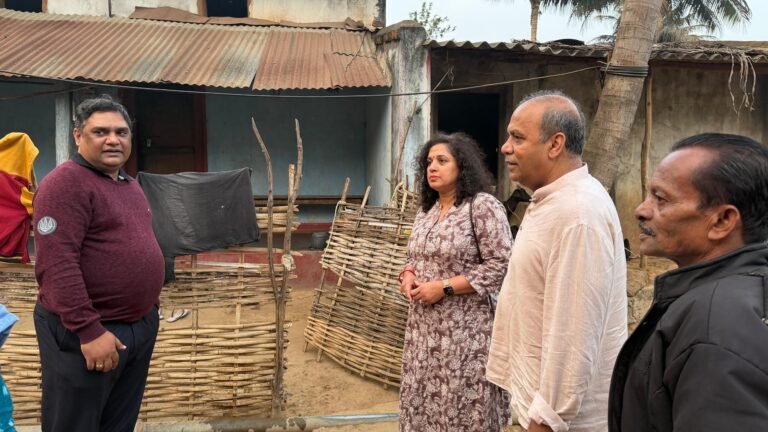
We settled near a veranda where villagers gradually gathered around us. They shared stories about their lives and explained the various natural products they grow or collect from the surrounding forests. Black Bhalia is one of the common crops in this area.
Their immediate need, apart from better market linkages, is proper storage. The government had funded a small ‘kotha ghara’ where they store their extra produce, but what we saw was barely a ten-foot square shed without complete walls or electricity. Monkeys, birds, and rainwater could easily enter. It was clear that such a structure could hardly serve its purpose.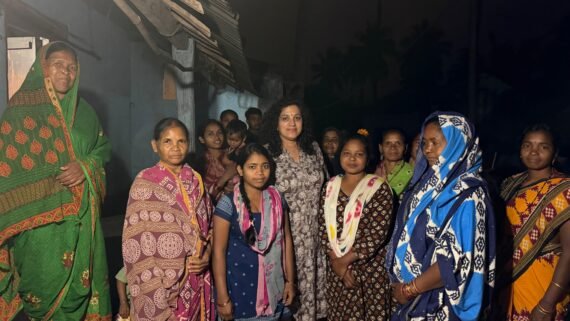
We assured them that we would try to help build a proper storage room with basic amenities. Later, during our return visit to Chakapada, we were able to secure a larger storage facility that could be used for aggregation before collection.
Although a few homes were built with concrete, most houses in the village were mud homes with thatched roofs. I also noticed that many of them had very low heights and small entrance doors. A village road existed up to the settlement, but inside the village, there were no proper paved roads.
Another thing that surprised me was that most homes did not have bathrooms. There are government schemes meant to support the construction of toilets, but I suspect that by the time the funds reach villagers, several layers of middlemen have already taken their cuts. The remaining amount is often insufficient to build anything meaningful.
Sitting in the comfort of our modern homes, it is truly difficult to imagine the daily challenges these villagers face. Yet I strongly believe that everyone deserves access to basic facilities and dignity in living conditions.
Before we left, they served us freshly made ukhuda (a form of puffed rice) and hot tea. After a long day of travel, it felt heavenly. We said our goodbyes with a promise of hope and took a few photographs together before beginning our drive back to Phulbani, the district headquarters to stay in a hotel.
Kutubadi, Daringbadi Block, Kandhamal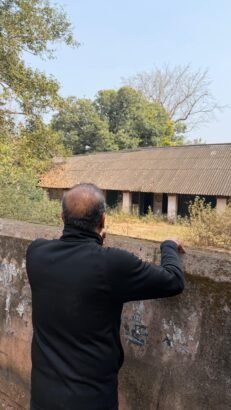
The next morning we set out again, this time towards a village in Kandhamal to visit a cluster of farmers cultivating organic haldi (turmeric). Before leaving Phulbani, my husband wanted to stop by his old elementary school.
Sometimes memories are sacred when left untouched; revisiting them can risk shattering the image we have carried for years. This visit turned out to be one of those moments for him. The school building still stood there, but the iron gate was locked. The playground was covered with overgrown bushes, and parts of the structure looked half-ruined, with ivy creeping along the walls. He stood quietly for a while, searching for fragments of memories from what must have been some of his most playful years.
He was understandably saddened by the sight and later asked our CEO to explore whether it might be possible to lease the property from the government and repurpose it, perhaps as a larger storage or aggregation facility for farmers. The property is quite sizable and sits right in the center of town; it seemed unfortunate to see such a space slowly fall into neglect.
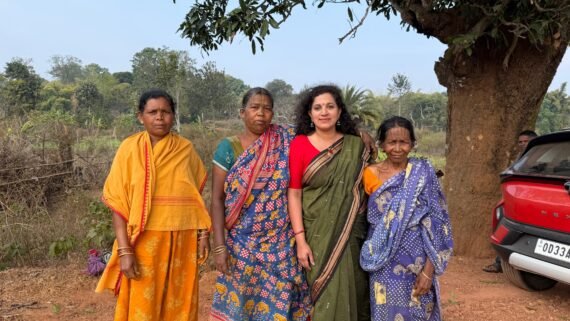
Life, however, moves quickly, and we had much to cover that day. Within a few hours we reached our next destination, Kutubadi under Daringbadi Block, another tribal village where we met Adigaju Producer Group along with their president, Premanti Pradhan.
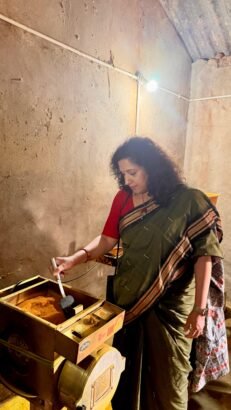
Women in this group had distinctive facial tattoos and several piercings in their ears, reflecting traditions unique to their community. Local language is Kui but most of them understand Odia. In a small room they had set up a few machines used sequentially to cut and grind the turmeric into fine powder. Before cutting the turmeric goes through manual processes of boiling and drying at a different location.
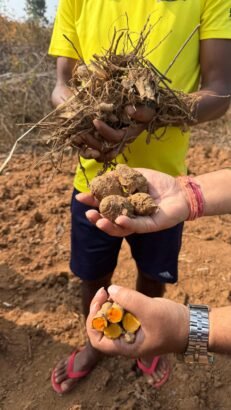
After our interaction, we drove to the fields where the turmeric was grown on red Kandhamala soil. A farming couple explained the different stages of the turmeric plant and how carefully they followed each step in the cultivation process. We learned that turmeric is harvested from the same plot only once every three years. During the other two years, they rotate crops with mustard and paddy. This cycle naturally maintains the health of the soil without the need for chemical fertilizers.
The fields themselves were not easily accessible given each plot is located on the uneven foothills of the mountain. There were no proper paths leading to them; one had to walk along the narrow, uneven ridges separating fields to reach there.
During our visit we also met a respected community leader, Sri Suresh Pradhan, who actively advocates for natural farming and educates local farmers about value addition. His work has earned him a Presidential Award for promoting sustainable agricultural practices.
We took a few photographs to capture the moments and the landscape.
(PS: Kandhamala haldi has GI tag and has the second-highest curcumin percentage in India after the haldi from Meghalaya.)
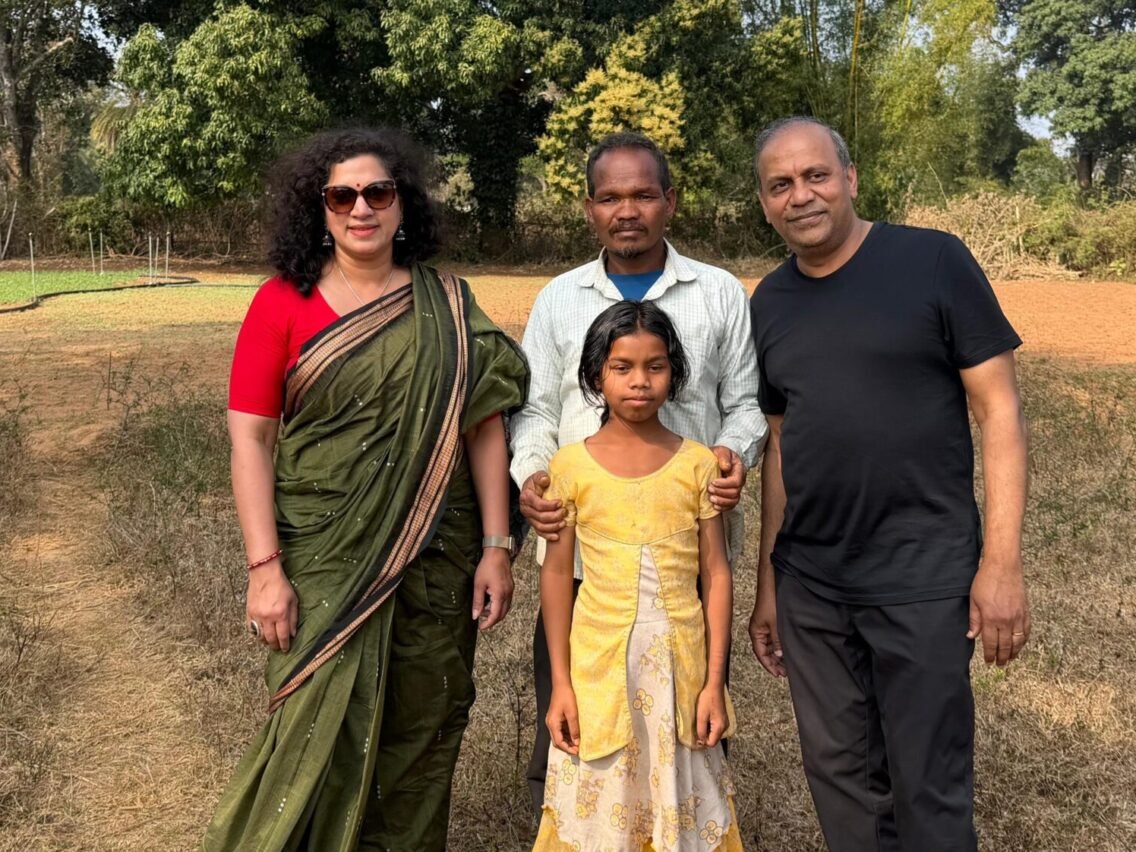
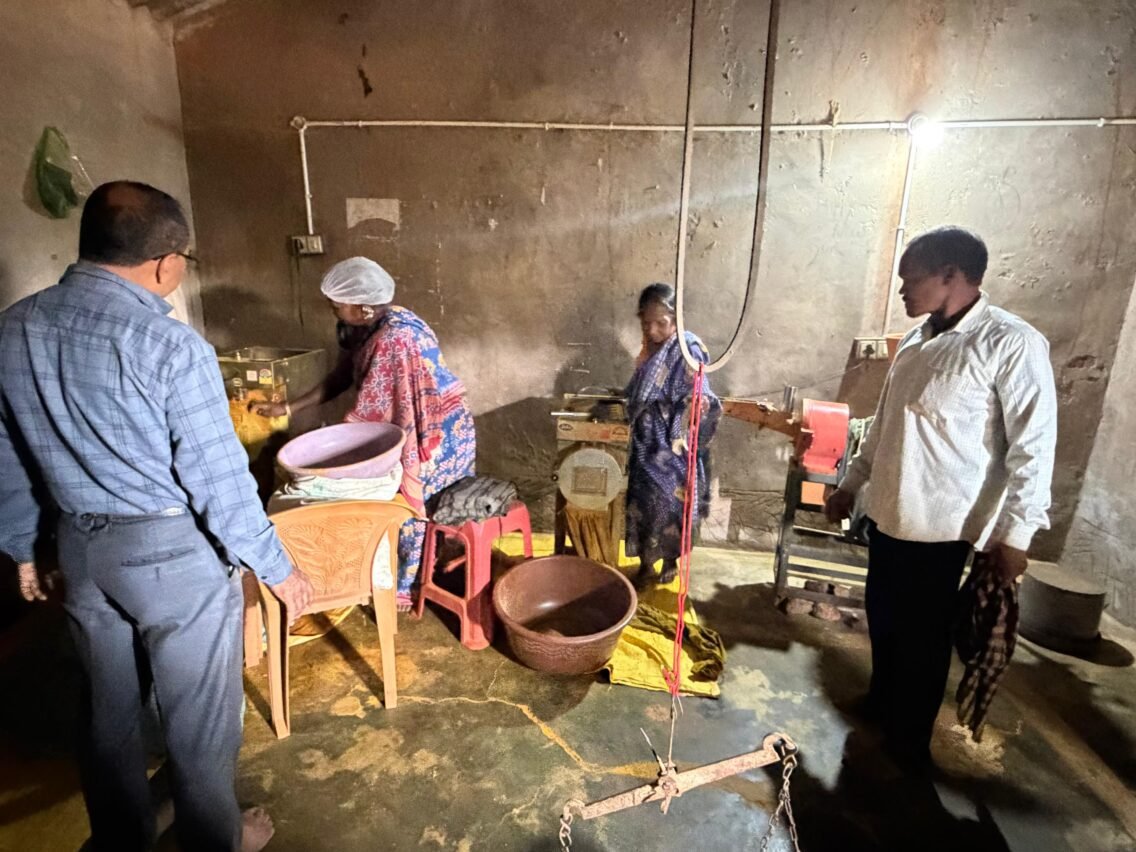
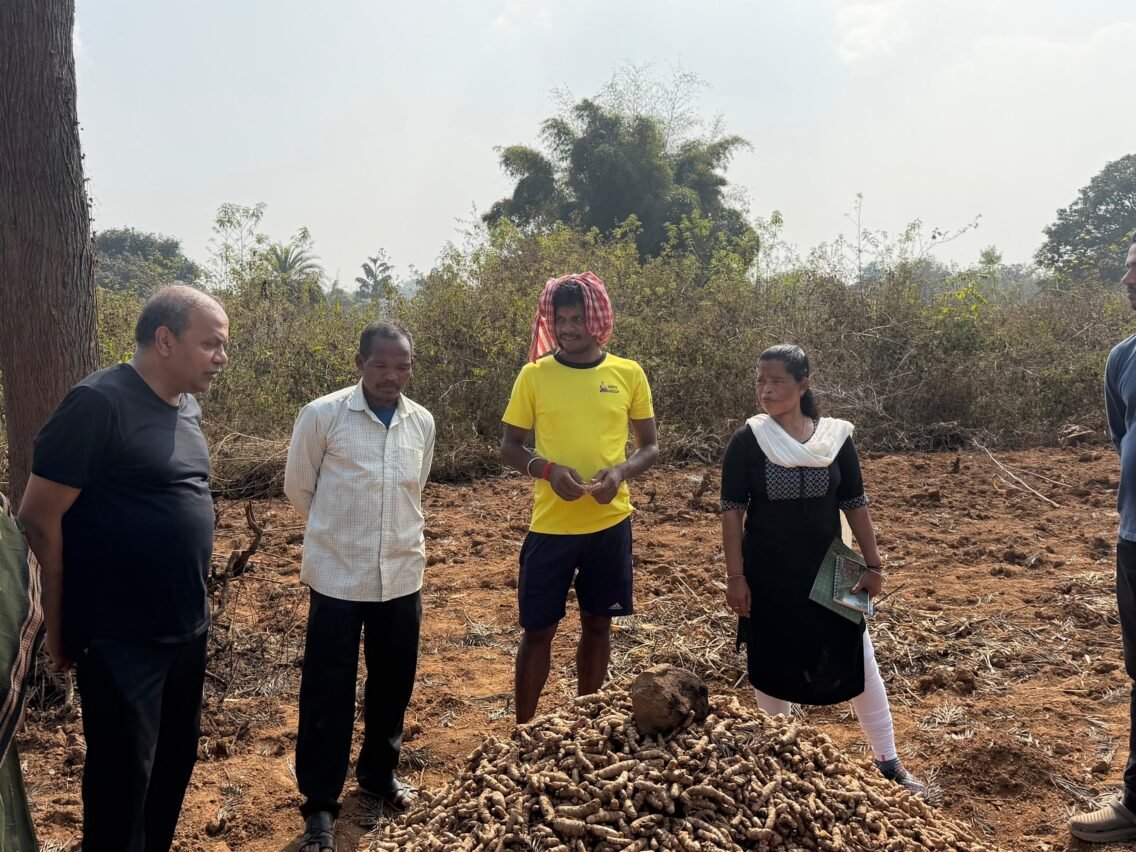
Koraput Coffee Plantation, Daringbadi
After getting enough knowledge on haldi we drove to Daringbadi, often referred to as the “Kashmir of Odisha.” It was pretty late and we were all hungry so first stop was a dhaba for a hearty meal. Then our plan was to visit another cluster but they were not available, as many of them had traveled to participate in the Adivasi Mela, a government-sponsored fair where tribal communities showcase and sell their products in the city.
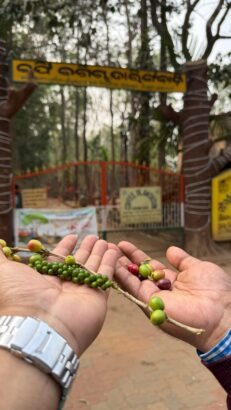
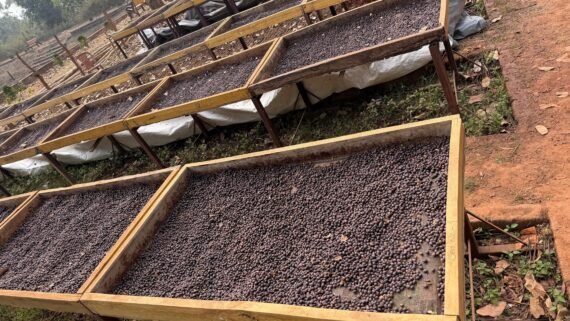
Since our original plan could not materialize, we decided to visit the Koraput Coffee plantation nearby, mainly to understand how such initiatives are run. It is a government-managed plantation. While walking around the facility, we noticed a grinding machine that appeared to have been unused for quite some time. I am sure it must have made newspaper headlines on the day it was inaugurated. (On a later date we visited another private coffee plantation in Koraput that I will share in a different blog.)
Field Observations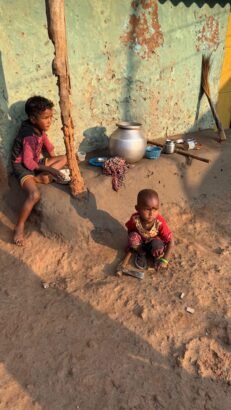
Several village scenes stayed with me:
- A child eating only rice while a younger sibling played with an axe instead of a toy.
- A girl, perhaps seven or eight years old, was carrying her two-year-old sibling while helping her mother work in the fields.
- The backbone of FPOs, SHGs, and Mission Shakti groups is mostly women balancing both household responsibilities and livelihood activities.
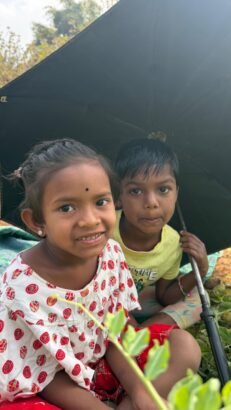
With limited electricity and few recreational options, village life winds down early. In some cases alcohol becomes an easy outlet for men, sometimes leading to the abuse of female family members.
These journeys were a stark reminder of the realities rural communities face: farmers navigating uncertain markets, women carrying the weight of family and livelihoods, and communities striving to preserve traditions while adapting to a changing world. Such conditions highlight the urgent need for more holistic interventions.
They also raise a larger question. Even when efforts are made to create economic opportunities in villages, without improvements in overall living conditions – infrastructure, sanitation, education, healthcare, and even basic recreational spaces – it becomes difficult to retain skilled or educated people in rural areas.
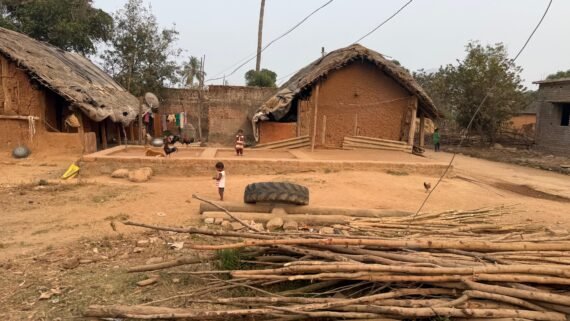
Migration to cities has therefore become a major factor shaping the economic balance of these regions. We learned that a direct bus runs from Chakapada to Kerala several times a week, carrying migrant workers in search of employment. I have heard similar stories about plumbers from Keonjhar working in distant states and about the textile industry in Surat employing large numbers of workers from Odisha.
These movements tell a deeper story: many people feel compelled to leave their native land simply to earn a decent living. Often they leave their families behind in order to save money while living in crowded cities. Being away from emotional and social support systems can create additional mental and psychological strain – a dimension of migration that is rarely discussed.
As we drove back through the misty hills of the Eastern Ghats, these thoughts stayed with me. Development is not only about creating economic opportunities; it is about creating conditions where people feel they can build a life without leaving home.
BhaMa foundation & MSE Bazaar Appreciation Day
Along with the many road trips to villages and fields where we met farmers and producer groups, we were simultaneously developing strategies to connect them to better markets. BhaMa Foundation supported the opening of a small retail shop, Vanajata store, in Bhubaneswar, where farmers could place their products directly on the shelves. In this model, they contribute fifteen percent of the sale value for shelf space while keeping the remaining profit.
However, maintaining a physical retail store requires a continuous operating budget and is not always a sustainable long-term solution. This realization led us to the next step – positioning MSE Bazaar to play a key role as a larger marketplace platform.
Together, BhaMa Foundation and MSE Bazaar share a mission: to empower communities to become resilient and self-reliant while preserving heritage and creating sustainable opportunities for inclusive growth.
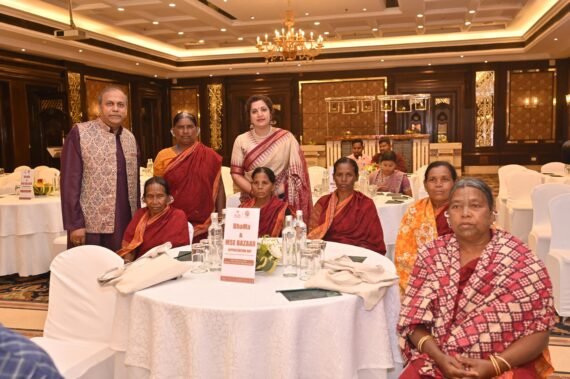
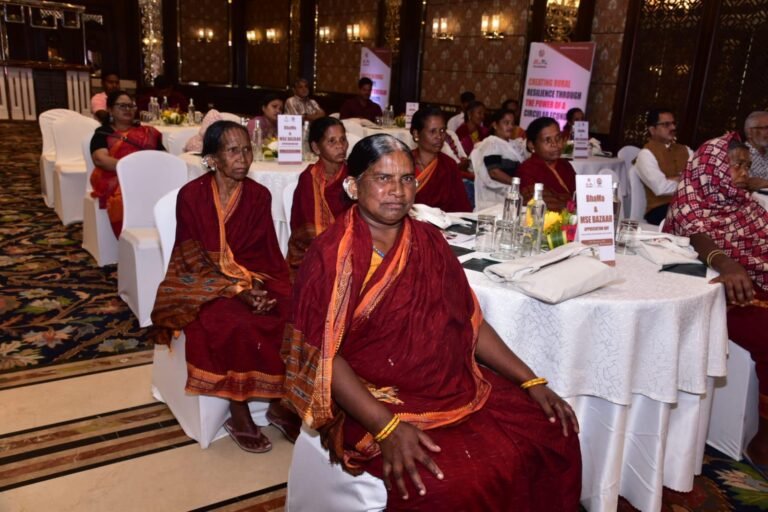
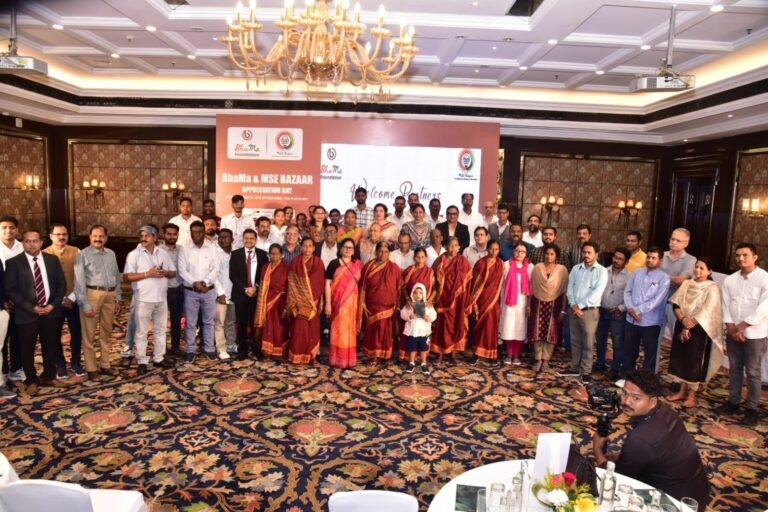
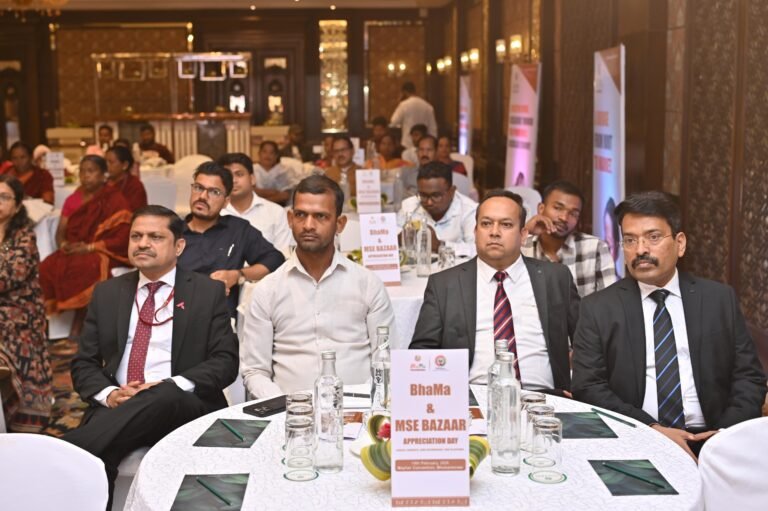
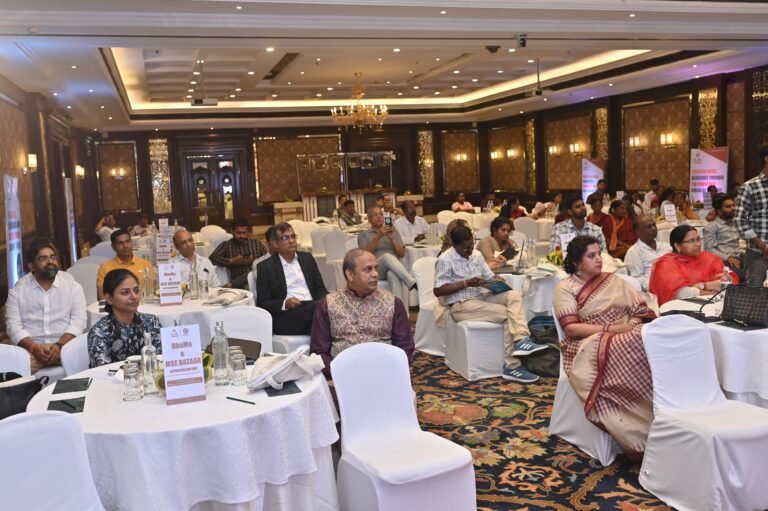
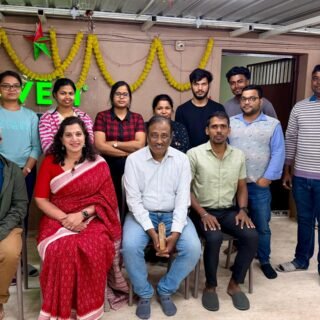
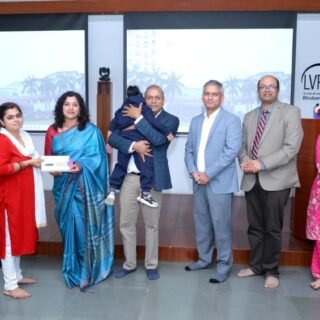
Over nine months, our small team made meaningful progress in connecting farmers to markets. It felt only right to pause and celebrate everyone’s contribution. So, we hosted our first Appreciation Day at the prestigious Mayfair Convention in Bhubaneswar.
Farmer producer groups, promising customers, and Axis Bank as our strategic partner came together for the occasion. The gathering created a meaningful networking platform where participants shared their ideas, experiences, and challenges, setting the tone for future collaboration and growth.
Key Takeaways from the Journey
Over months of travel, conversations, and collaboration, one thing became clear: solutions cannot be designed from afar. They must grow from the ground up, shaped by the voices of those who live these realities every day. BhaMa Foundation and MSE Bazaar are small steps in bridging the gap between rural producers and larger markets while preserving traditional livelihoods.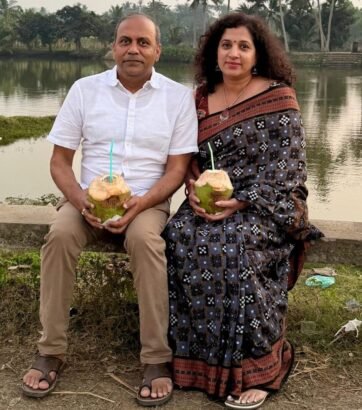
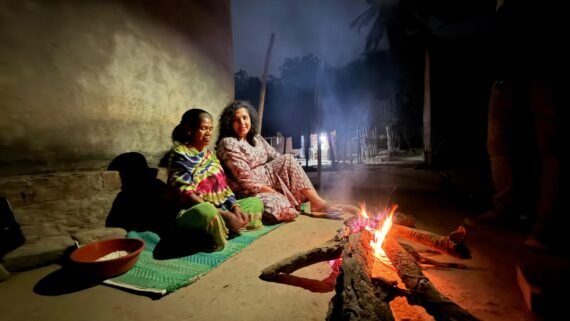
Looking back at miles traveled, villages visited, and countless cups of roadside tea, the real wealth lies in the people we met and the stories they entrusted to us. These notes are reminders of a shared responsibility to listen more carefully, act more thoughtfully, and ensure progress reaches the last mile.
Thank you for reading! Feel free to like, share, and explore more of my posts. Stay tuned!


ASHOK Mishra
03/13/2026This is an awe inspireing effort to bring the real socio economic problem to table and giving them a platform like Bha Ma to solve it. I salute the effort. In our March 3rd meeting we not only got promise, energy but also got real financial and contract for our thousands of farmers who will give their product and get assured income. It looks a small step but it is a gaint leap.
Manorama Choudhury
03/13/2026Thank you very much for reading and for believing in BhaMa’s efforts in trying to make a difference. Thank you for joining your hands.
Tapan kumar Mohanty
03/16/2026Needless to say BhaMa foundation is putting its team efforts for the economic upliftment of rural poor in the remote corners of Odisha state. Challanges r many n a systematic marketing approach can bring solutions to it. Task is not so easy. Not so difficult too if the direction is right n persistence is continued. Clarity on demand identification is required n then corresponding solutions to it may b searched out. Remarkable work has been done by BhaMa foundation so far. Miles to go in this activity where marketing of produce plays a vital role. In the state Agri marketing is in infant stage n hope the team will explore the best possibilities. Best wishes
Manorama Choudhury
03/16/2026Thank you for your thoughtful feedback and encouragement. Regards!
Debaki Nandan Chowdhury
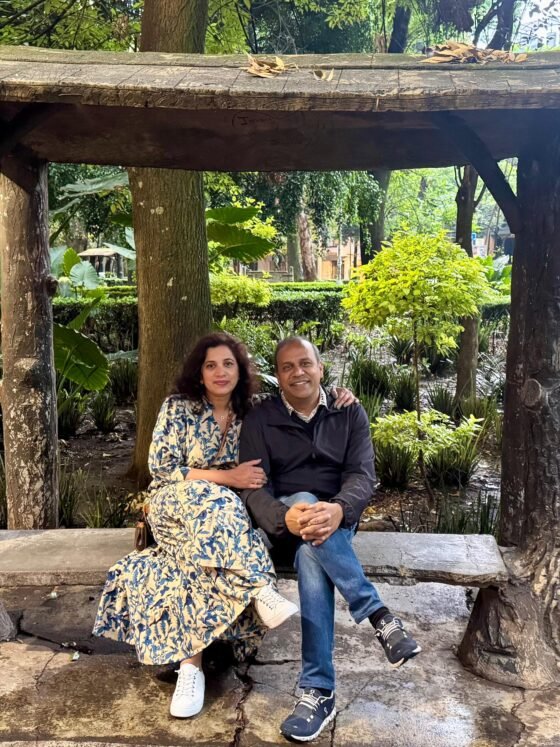
04/03/2026Very interesting. Gave a glance first, but got stuckck until end. From the pictures, seems Bhaskar also accompanied you. I wish you put this in Audio version in YouTube or other audio streaming apps.
On next such trip, if you make Video clips, you can make small small videos for YouTube. The rock itself behind the picture with Babaji,it worth one episode itself.
All the best, keep it up.
Manorama Choudhury
04/06/2026Yes, all the visits here could have been presented in different blogs. The only reason kept together was because they were all done for the same purpose. I still need to write about Koraput, Rayagada and Khalikote visits, which had different purposes. Yes, Bhaskar joined a few trips as he is also working on this project with me, building from the ground up. Thank you for reading. I will try the audio version in the future.