A LITTLE OF MY STORY




Small Interventions, Meaningful Change
BhaMa Foundation believes not in grand promises, but in practical dignity.
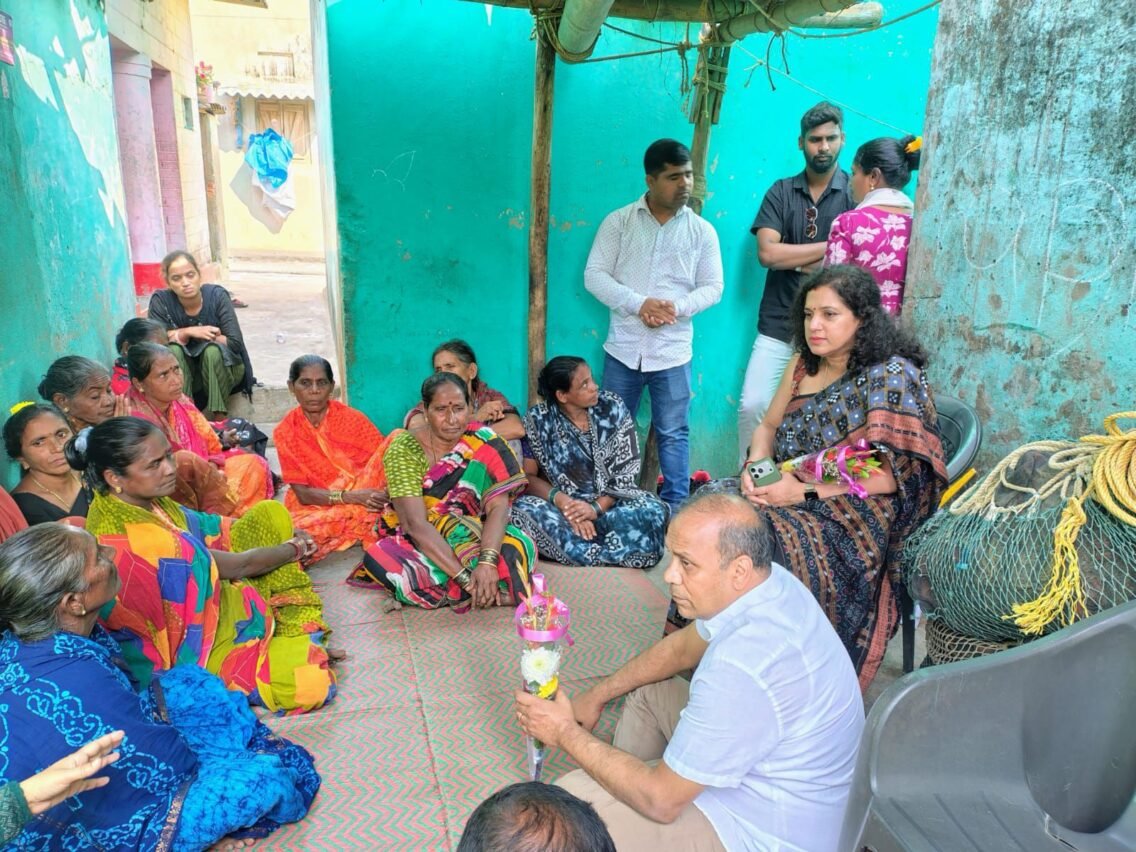
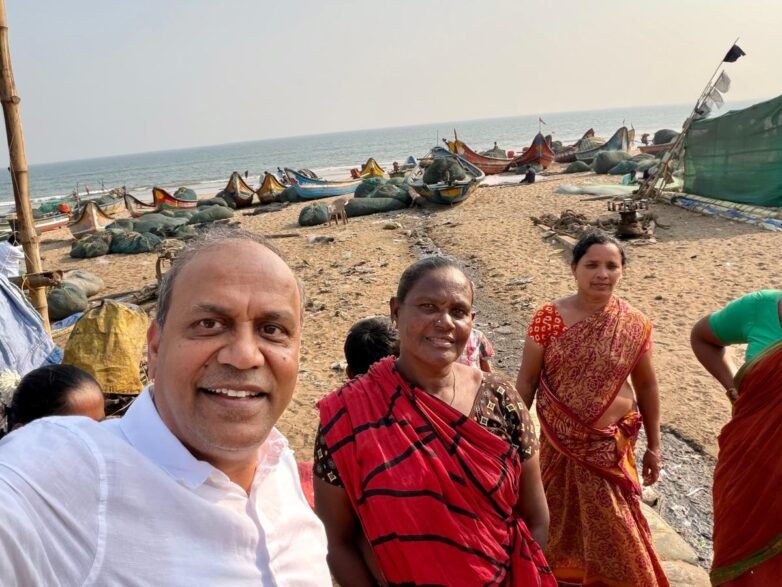
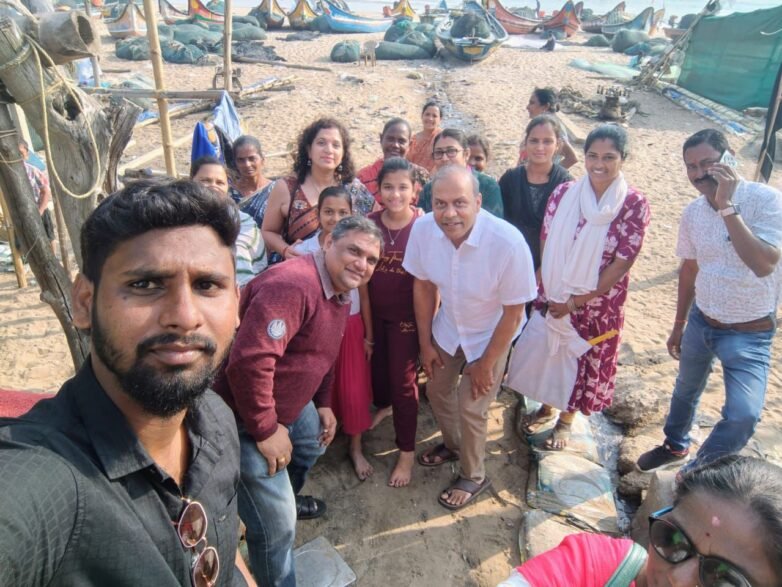
Through a partnership with Gopabandhu Seva Parishad, BhaMa has installed solar fish dryers, enabling fish to dry faster, more hygienically, and with improved quality, reducing both labor and loss. While this intervention will not address behavioral or cultural resistance overnight, it introduces a safer and more sustainable livelihood practice gradually.
For girls in this community, stepping outside to seek employment is extremely challenging. The persistent smell of fish, limited education, and language barriers close many doors even before they can try to open them.
BhaMa has also intervened by providing a sanitary napkin–making machine, with plans to train young women to produce napkins for their own use addressing menstrual hygiene while building confidence, skills, and self-worth.
These interventions are modest. They make no grand claims. Yet, we hope they create breathing space, saving time, improving quality and quantity of produce, and most importantly, preserving dignity. Over time, we sincerely hope they also nurture an inner drive for positive change.
Thank you for reading! Feel free to like, share, and explore more of my posts. Stay tuned!


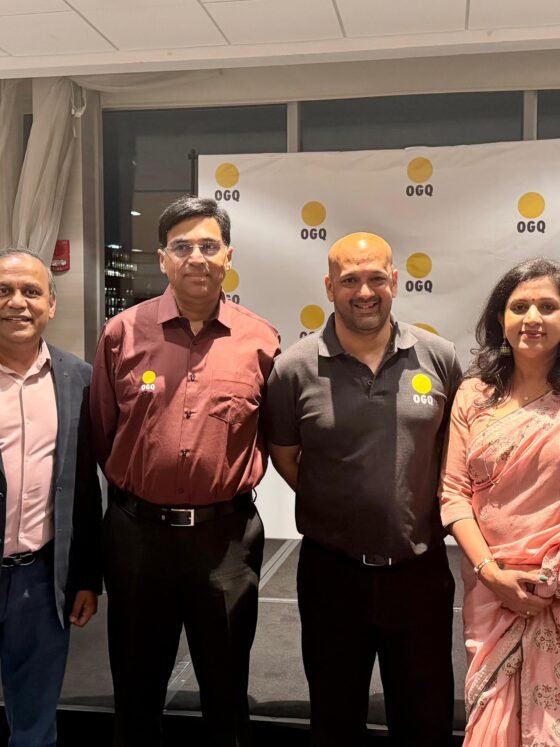
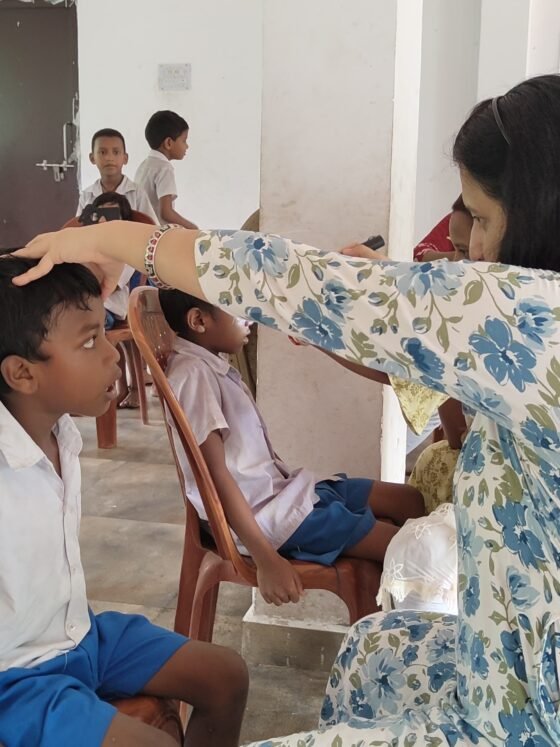
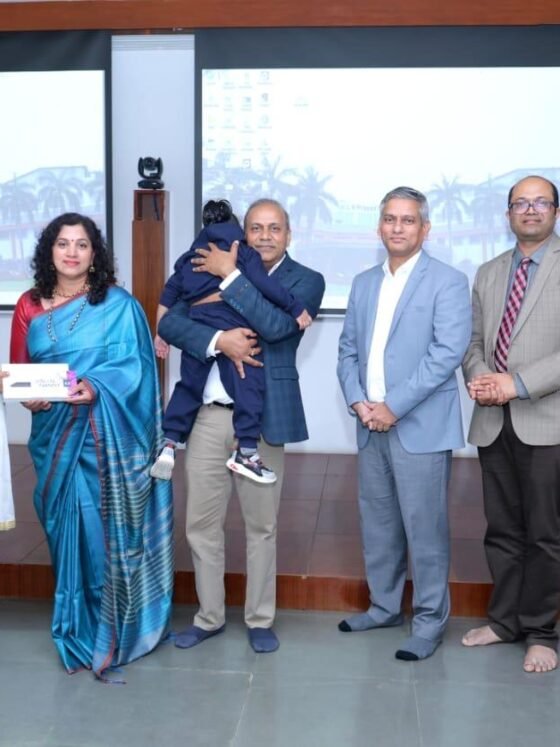

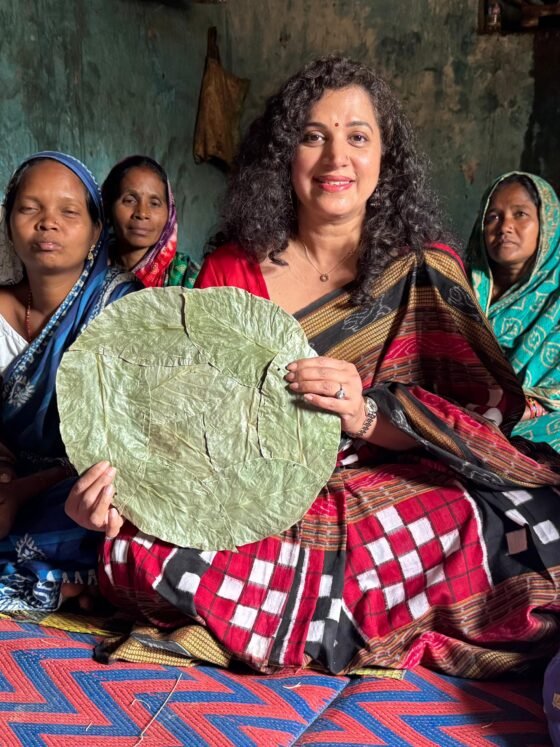
Pradip Kumar Moharana, GSP, ODISHA
01/23/2026Thanks a lot mam for your lovely comments and visit to Penthakota.
Manorama Choudhury
01/25/2026Thank you for doing so much and creating awareness for them.
J Choudhury
01/23/2026A wonderful journey. Small step for a man, but certainly a leap of kindness .
Manorama Choudhury
01/25/2026Much appreciated your generous words.
mruganka mauli patnaik
01/23/2026Effort is definitely Nobel.
Good soul.
But……
May lord Jagannath bless you all.
Manorama Choudhury
01/25/2026I know you have a different opinion about this place. I, too, agree that earning is not the main concern in this area, but a series of issues I felt.
Revathy Ramakrishna
01/23/2026Was so moved to read this blog and your dedication to making the worlds better place bottom up – kudos BhaMa Foundation and dear Manorama and Bhaskar! Truly, This visit reminded me that darśan does not always end at the temple gate.
Sometimes, the truest glimpse of the Divine appears in places that unsettle us,
in communities that compel us to look at life without filters.
Manorama Choudhury
01/25/2026There are always hidden lessons in everything we see. Thank you for reading and reflecting.
Rabindra Kumar
01/24/2026Your experiences are first hand, the blog is moving. The Penthakota fishing community is only one of numerous marginalised societies that escape the government’s attention that propagates ‘ Sab ka sath, sab ka vikash ‘. The government and the civil society have a joint responsibility in mitigating the hardships of the less fotunate people. Your initiatives and the BhaMa Foundation ‘s intervention should be an eye opener for the planners and the policymakers.
Manorama Choudhury
01/26/2026Thank you for reading and reflecting. I have been visiting to remote areas during this trip and changing behavioral pattern is not easy on two things – keeping communities clean and quitting alcohol. Why there are so many alcohol stores? Who gives them license if promoting to quit? A question worth asking.
Rabindra Kumar
01/24/2026Nice blog. Moving words. Penthakata fishing community is only one among several such neglected settlements dotted along the eastern coast of India which have escaped the attenion of a government that loudly proclaims its objective of ‘ Sabka sath, sabka vikash ‘. The government and the civil society have a joint responsibility to bring such communities out of a vicious circle of poverty. The interventions of the BhaMa Foundation and your involvement in it are noteworthy. Jay Jagannath Mahaprabhu 🙏
Debaki Nandan Chowdhury
04/03/2026Unhealthy atmosphere in slums is common. Never knew, child marriage even happens today.
Manorama Choudhury
04/06/2026Yes, it is unfortunate. Ground reality is so far from what we see as progress. Changes are happening, but at a very slow pace.